Trex vs. TimberTech: Which Decking Is Best for Chicago?
Trex and TimberTech are two of the top composite decking brands available today. Both offer a low-maintenance alternative to wood, but choosing between them can be difficult. Both brands offer durable composite decking with a realistic wood-grain appearance. Differences in cost, materials, heat resistance, colors, and warranties may make one a better choice for your home.
At Warner’s Decking, we are a TrexPRO Platinum Contractor. We have decades of experience installing Trex and TimberTech composite decks. We help homeowners compare each product line to find the best fit for their outdoor living space.
Trex vs. TimberTech: Which Is Better?
Trex nor TimberTech is the universal winner. Both brands make durable composite decking that can last for decades with proper installation.
For most homeowners, Trex provides the best overall value by balancing price, durability, and appearance. TimberTech is a popular choice for homeowners who want premium finishes and strong moisture resistance.
The AZEK collection also offers PVC decking. Trex has also expanded its product lineup with a new PVC decking option. This makes the comparison between these two brands closer than ever.
Direct Comparison Summary
| Category | Winner / Advantage | Why It Wins |
|---|---|---|
| Best Value | Trex | Lower starting price point across entry-level collections. |
| Premium Appearance | TimberTech | Refined wire-brushed textures and cathedral grain styles. |
| Heat Performance | Depends on Collection | TimberTech Lineage offers heat-mitigating technology for decks in full sun. |
| Moisture Resistance | TimberTech AZEK | 100% cellular PVC construction with zero wood fibers. |
| Color Options | Tie | Both brands offer a wide selection of light, medium, and dark wood-tone colors. |
| Warranty | Depends on Collection | Warranty coverage ranges from 25 years to 50 years or a limited lifetime warranty, depending on the collection. |
| Overall Durability | Tie | Both brands offer durable capped decking designed to withstand heavy foot traffic and Midwest weather. |
What Is Composite Decking?
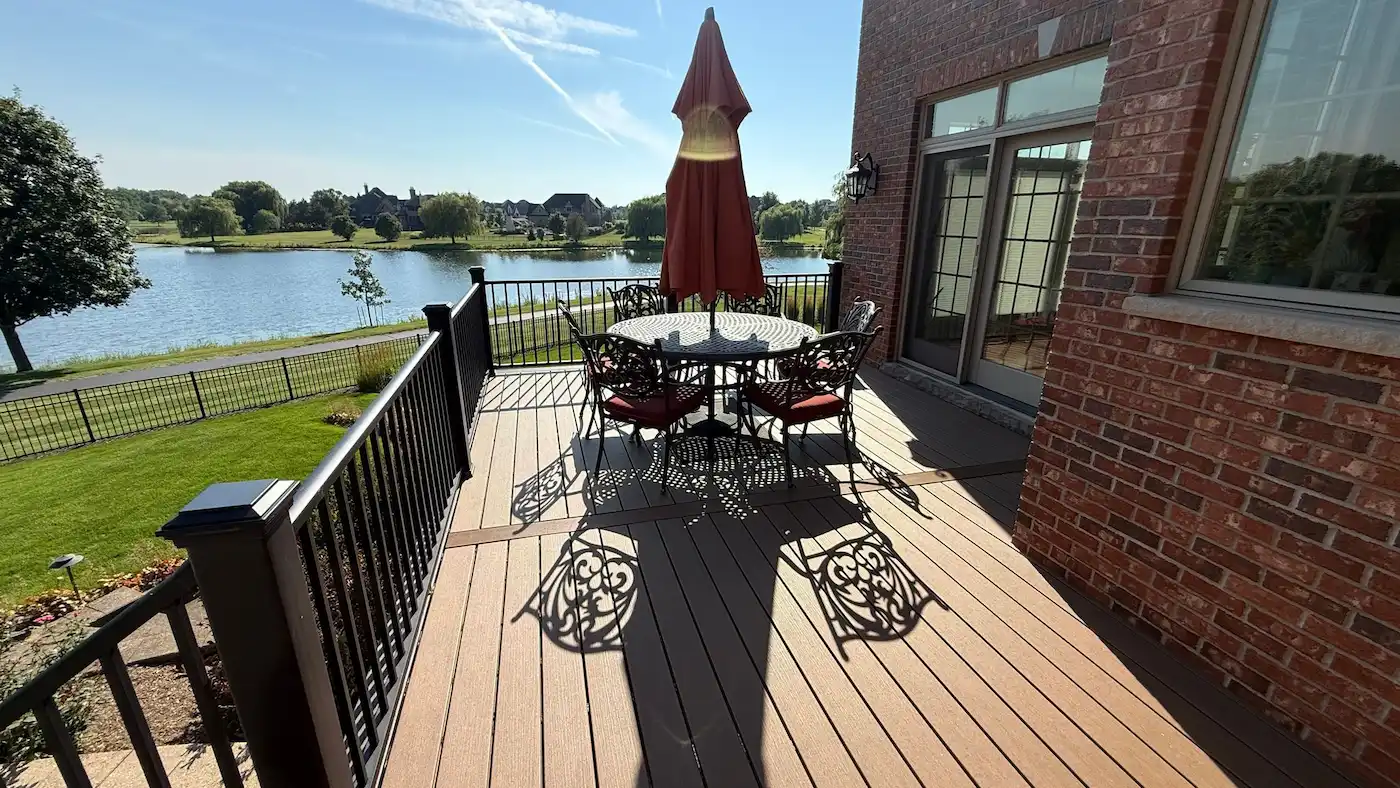
Many homeowners replace their old wood deck with composite decking to get the look of real wood without the yearly maintenance.
Composite decking combines recycled plastic and wood fibers to create durable deck boards that resist rot, splintering, and insects. Composite decking materials eliminate most of the routine maintenance that comes with traditional wood decking. Wash your deck boards periodically with warm water and mild dish soap to remove dirt, leaves, and seasonal pollen.
Neither product requires:
- Sanding
- Staining
- Sealing
- Painting
Trex vs. TimberTech Materials Comparison
The biggest difference between Trex and TimberTech comes down to the materials used in each product line. Both brands offer capped composite decking. TimberTech AZEK and Trex also offer newer PVC decking options. These are 100% polymer options with better moisture resistance.
| Feature | Trex | TimberTech |
|---|---|---|
| Primary Material | Capped composite | Capped composite or PVC (AZEK) |
| Material Formula | Recycled plastic film and reclaimed wood fibers | Recycled wood fibers and plastic (EDGE & PRO); 100% cellular PVC (AZEK) |
| PVC Option | Yes (Trex Signature® Composite/PVC line, depending on product lineup) | Yes (TimberTech AZEK®) |
| Moisture Resistance | Excellent | Excellent; AZEK PVC offers the highest level of moisture resistance |
| Sustainability | Uses up to 95% recycled and reclaimed materials | Uses recycled plastics and reclaimed wood fibers across composite collections |
Trex builds its composite boards using a protective outer cap over a recycled core. This shell helps protect the board against moisture, fading, stains, and everyday wear. Trex also offers a PVC decking option for homeowners looking for a premium polymer solution.
TimberTech gives homeowners more material choices across its product lines. The EDGE and PRO collections use capped composite construction.
The TimberTech AZEK collection uses cellular PVC technology with zero wood fibers. AZEK PVC decking is a popular choice for pools, spas, docks, and other wet areas. It contains no organic material that can absorb water.
Durability, Maintenance, and Scratch Resistance
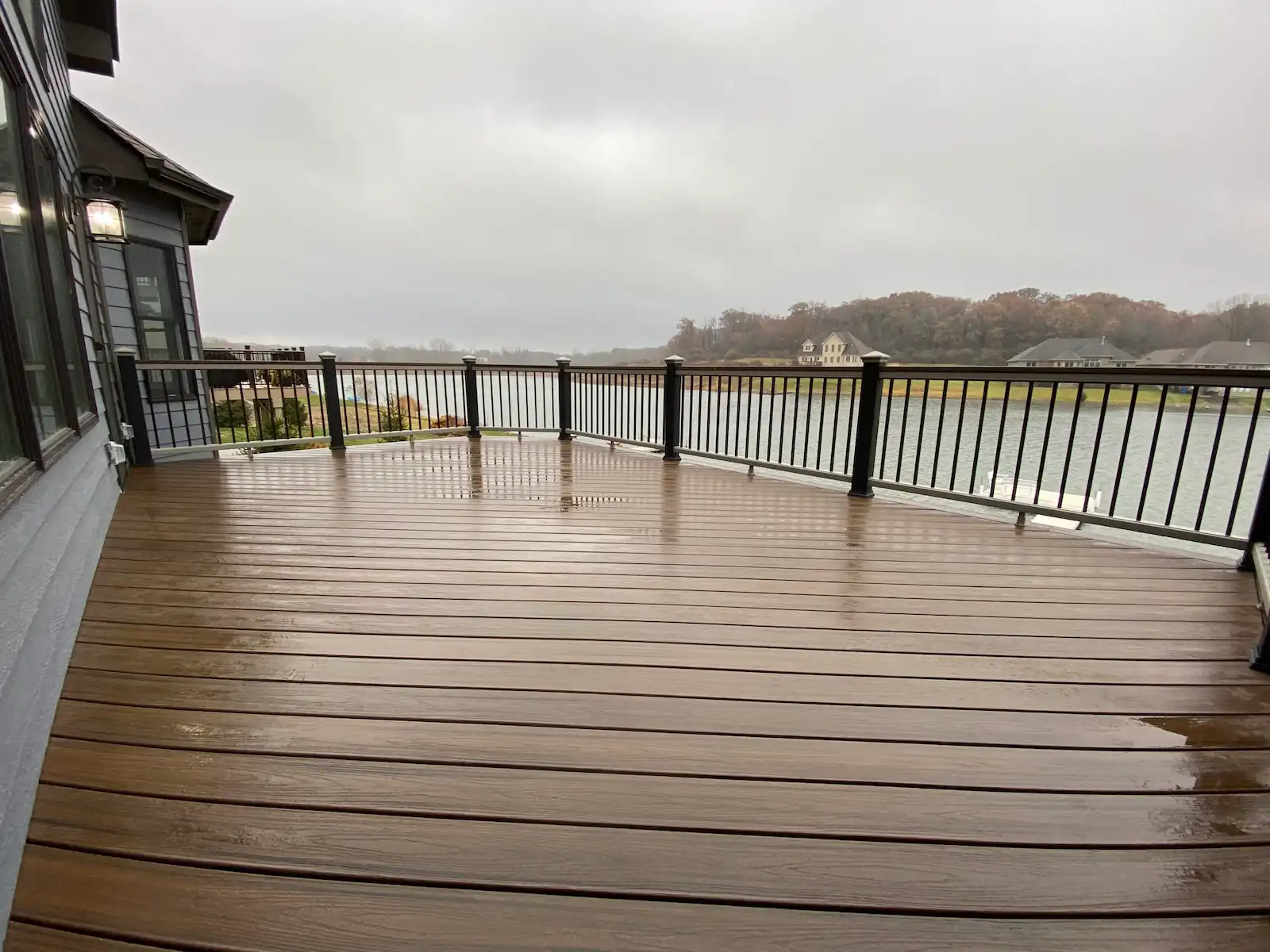
We have installed Trex and TimberTech throughout the Chicago suburbs. Both perform well in freezing winters, hot summers, and changing weather conditions.
Like all outdoor decking materials, composite boards naturally expand and contract with temperature changes. Proper installation is critical to allow for the correct spacing, fastening, and airflow needed for long-term performance. This is why professional installation is important, especially in areas like Chicago that experience large seasonal temperature swings.
Does Trex or TimberTech scratch easier?
Both brands design their capped shells for strong scratch resistance, but no composite board is completely scratch-proof. Premium collections featuring high-density caps resist pet claws and chair scraping far better than entry-level lines. We always remind homeowners to lift heavy patio furniture rather than dragging it across the deck surface.
How Trex and TimberTech Handle Chicago Weather
Midwest weather presents tough challenges for any outdoor structure. Decks must endure freezing winters, heavy snowpack, spring rains, summer humidity, and intense sun exposure.
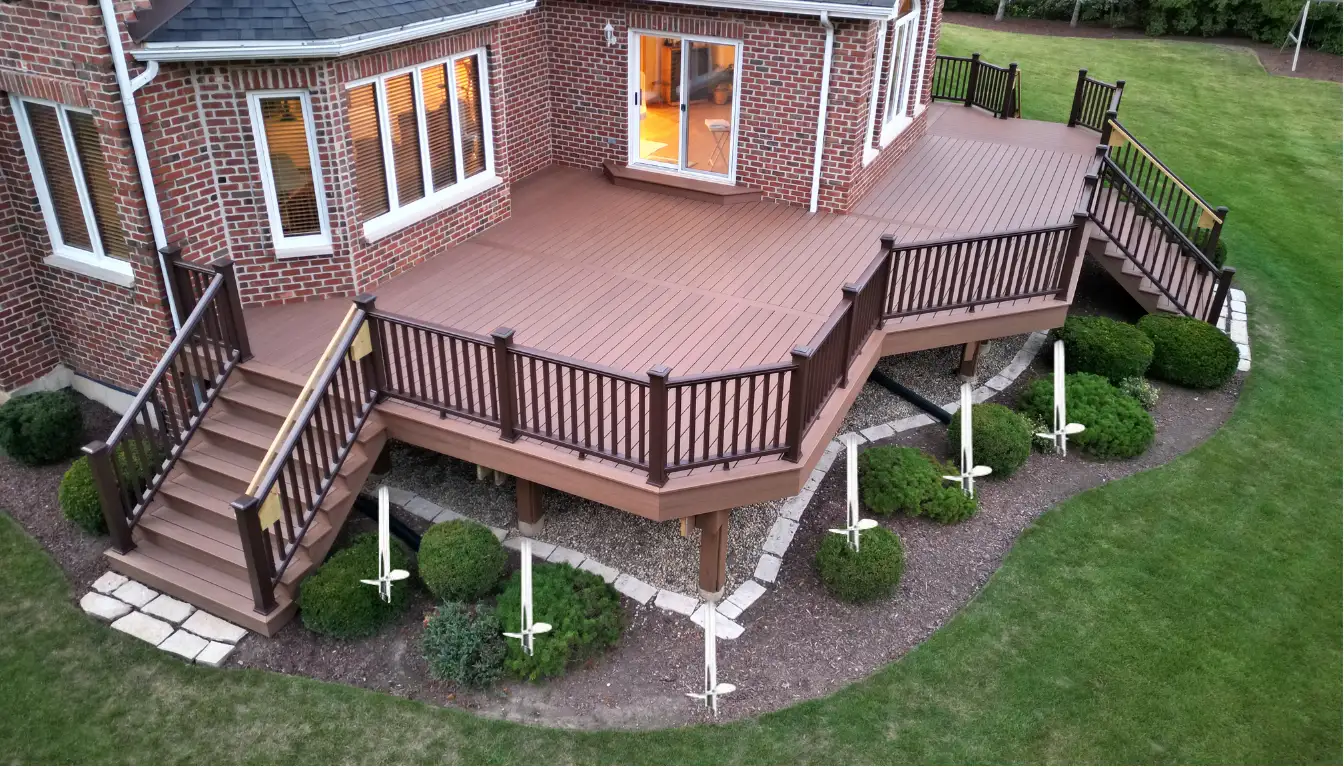
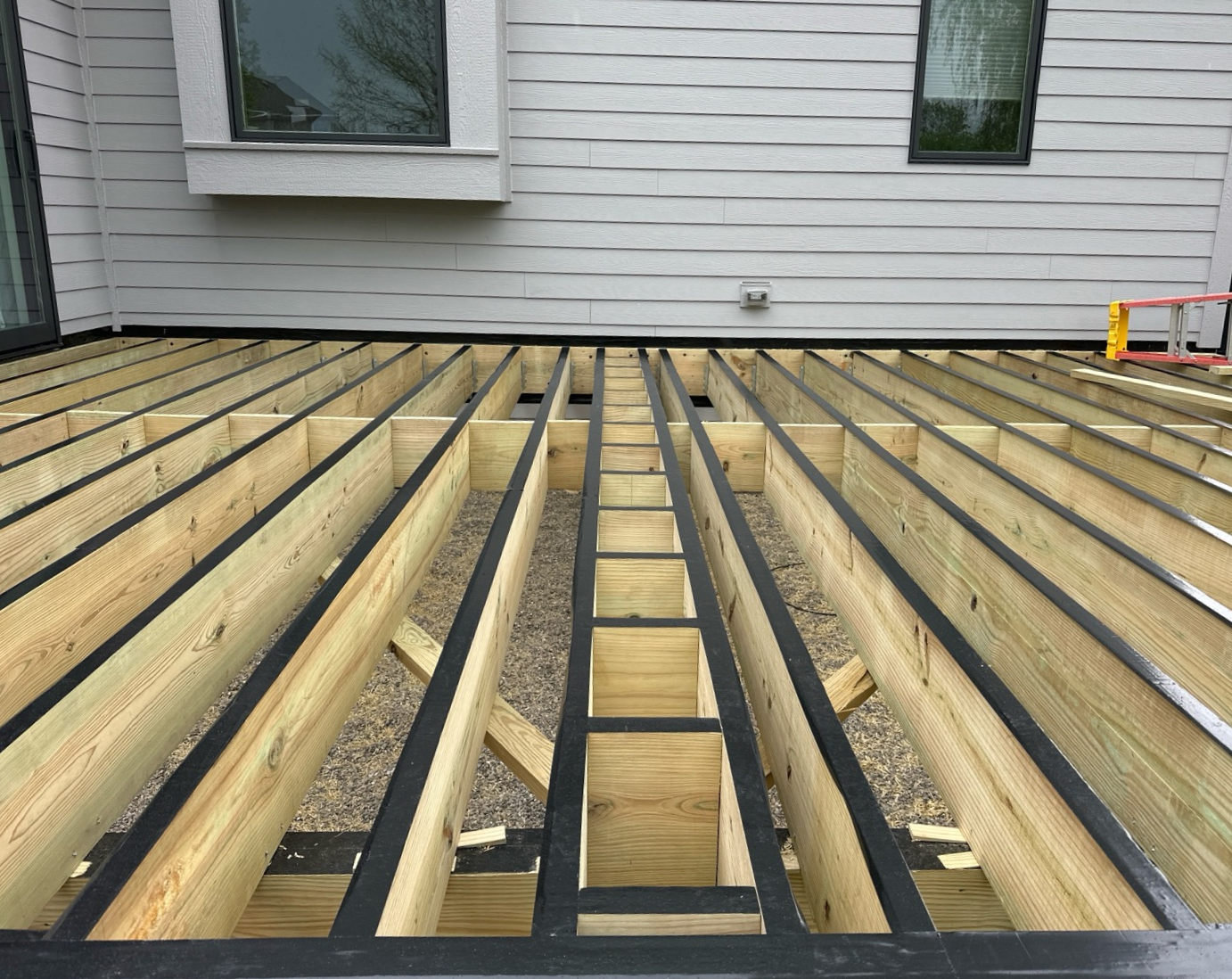
Our decades of local experience have shown that improper installation causes far more deck failures than poor-quality materials. Proper installation needs joists spaced the right way, joist tape, helical piers, and the right fasteners. It also needs good airflow to stop moisture from building up under your deck. This keeps the framing dry and structurally sound for years.
For winter snow removal, clear your deck using a plastic snow shovel. Metal shovels can scratch protective caps. You can safely use calcium chloride to melt ice, but avoid dark rock salts containing iron, which can leave rust stains.
Heat Performance and Sunlight Exposure
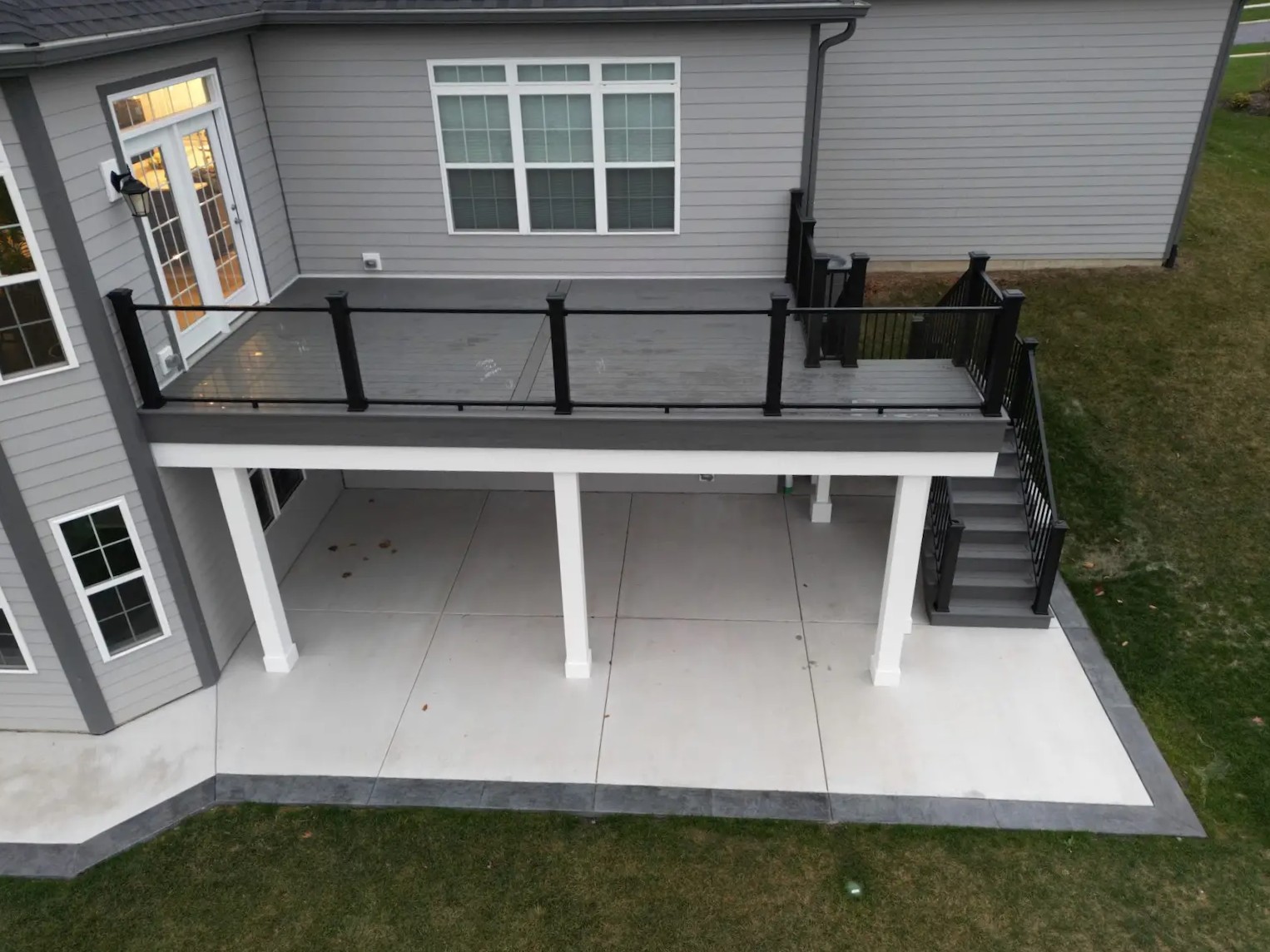
In direct sunlight, all composite boards retain heat. Darker board colors absorb heat much faster than lighter tones, regardless of the brand you buy.
If your yard faces south or west with no shade, picking the right collection is essential:
- TimberTech Advanced PVC collections include TimberTech AZEK and select TimberTech lines, such as Lineage.
- They feature CoolDeck® technology that helps reduce heat buildup.
- This keeps the surface temperatures cooler than many traditional decking products.
- Trex offers heat-mitigating options through lighter decking colors and select technologies within certain collections. Like most composite decking, darker colors will generally absorb more heat than lighter shades when exposed to direct sunlight.
Both manufacturers build UV resistance into their cap layers. This helps your deck maintain its color and resist fading over time.
Appearance, Style, and Color Options
Both brands provide authentic wood-look aesthetics, but their design philosophies differ.
Trex Style
Trex focuses on classic hardwood character with:
- Deep wood-grain patterns
- Rich multi-tonal color blends
- Realistic natural streaking
- Warm, rustic finishes
TimberTech Style
TimberTech focuses on crisp, modern architecture with:
- Fine wire-brushed textures
- Subtle cathedral grain patterns
- Modern architectural colors
- Sleek, low-gloss finishes
Deck board colors can look different outdoors than they do in a showroom or online. We recommend reviewing physical samples outside against your siding and brick before making a final decision.
Cost, Price Point, and Long-Term Value
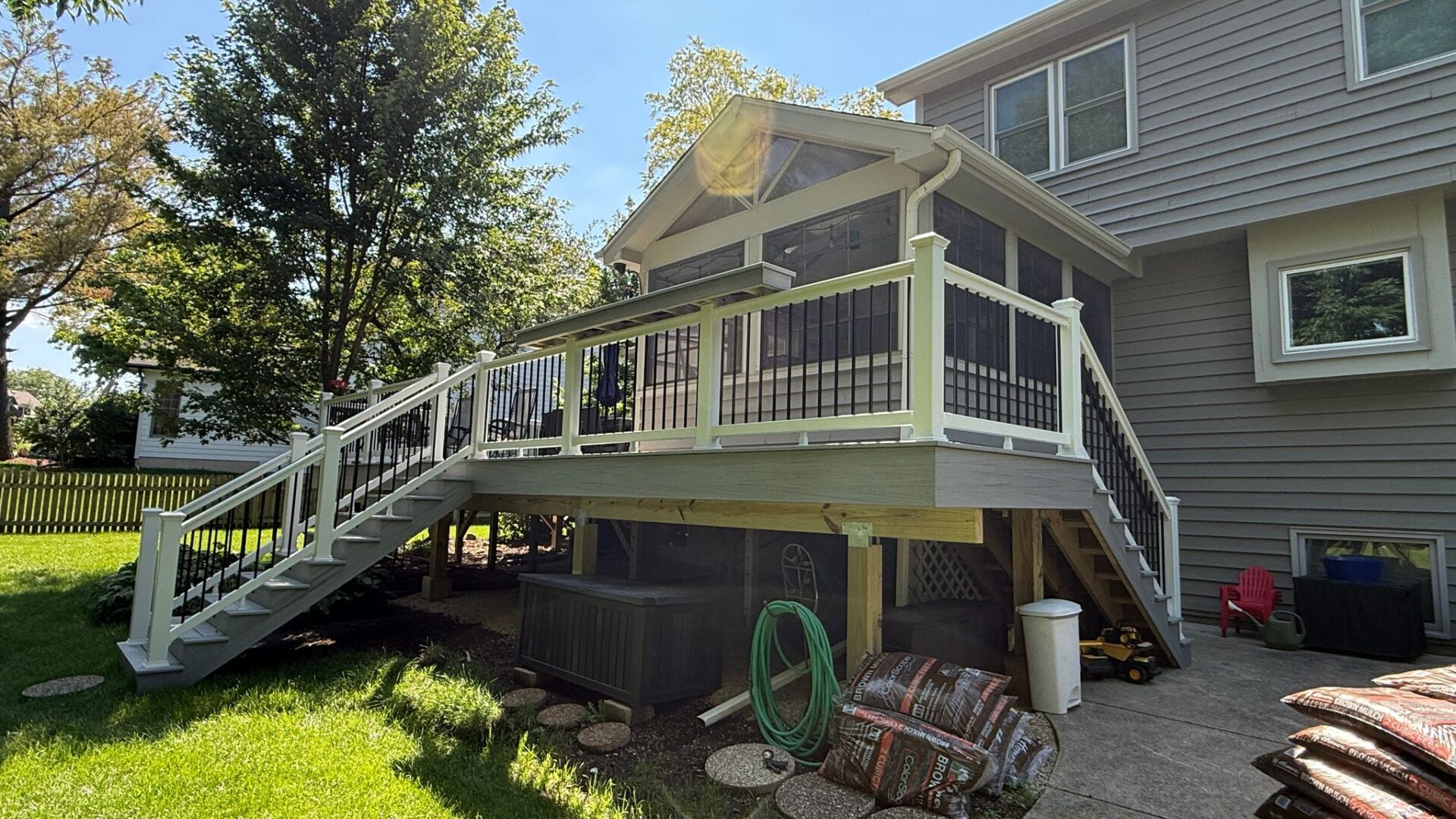
Composite decking usually costs more upfront than pressure-treated lumber. However, homeowners avoid many ongoing expenses over time, including:
- Stain, sealer, and paint supplies
- Sanding equipment and labor
- Replacement of split, warped, or rotted boards
- Annual maintenance labor costs
Trex generally offers an attractive entry price point through its Enhance collection. This makes it an ideal pick for homeowners who want low-maintenance decking at an attractive price.
TimberTech keeps its composite collections competitively priced. Its premium AZEK PVC line costs more because of its 100% polymer construction and extended warranty options.
While composite decking may cost more upfront, its lower maintenance needs can make it a better long-term investment than wood.
How Much More Does TimberTech Cost Than Trex?
TimberTech AZEK typically costs more than standard Trex because PVC decking requires a different manufacturing process. It also provides added moisture resistance. However, the price difference ultimately depends on the specific collection you choose, deck size, railing options, and installation requirements. The choice often comes down to upfront value versus premium performance features.
Warranty Protection
Warranty coverage is another factor homeowners should consider because composite decking is a long-term investment.
- Trex Warranties: Offers 25-year to 50-year limited residential warranties, including explicit fade and stain protection on eligible collections.
- TimberTech Warranties: TimberTech offers a 25-year warranty on EDGE and a 30-year warranty on PRO. AZEK PVC lines include up to a 50-year fade and stain warranty, along with a lifetime structural warranty.
Contractors must follow manufacturer framing guidelines to maintain these long-term warranties.
Popular Product Lines Breakdown
Trex Collections
When reviewing your Trex decking options, you will find options structured across three primary tiers:
- Enhance: Budget-friendly capped composite providing reliable quality at an accessible price.
- Select: Mid-level collection offering smooth wood-grain textures and core color options.
- Transcend: Top-tier composite offering maximum scratch resistance and deep wood grain.
- Transcend Lineage: Premium sub-collection designed with heat-mitigating technology for bright, sunny spaces.
TimberTech Collections
We also help homeowners compare the distinct performance features across TimberTech decking collections:
- EDGE: Affordable standard composite line with clean, modern board profiles.
- PRO: Four-sided capped composite engineered for enhanced underside moisture protection.
- AZEK: High-end 100% cellular PVC line engineered without wood fibers for superior moisture defense.
Why Professional Installation Matters
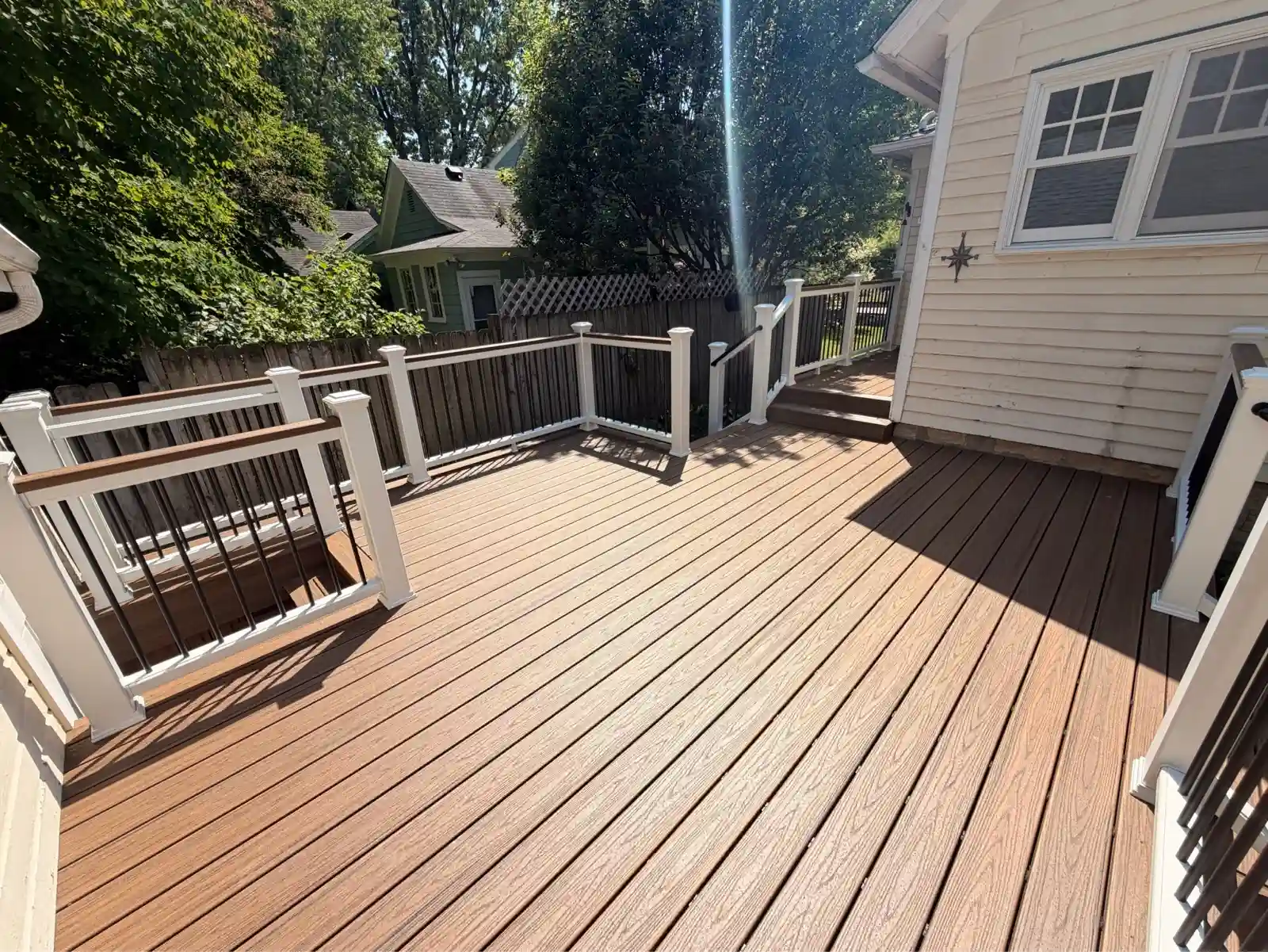
Even premium composite decking will fail if the underlying frame is built poorly. Whether planning a brand-new deck installation or evaluating an existing structure for deck resurfacing, professional building practices guarantee:
- Proper Framing: 16-inch joist spacing for straight layouts; 12-inch spacing for diagonal layouts to prevent sag.
- Concealed Clips: Hidden fastener systems eliminate pop-up screw heads for a smooth, barefoot-friendly deck surface.
- Adequate Airflow: Contractors create proper ground clearance to help prevent moisture buildup under the substructure.
We often see deck failures caused by rotted framing, even when the composite boards are still in excellent shape.
How to Choose the Right Decking for Your Home
- Choose Trex if: You want a great entry-level price, traditional wood-grain styling, and long-lasting, low-maintenance performance.
- Choose TimberTech if: Choose AZEK when you want PVC technology, modern finishes, and better comfort in full sun.
See Samples in Your Yard Before You Buy
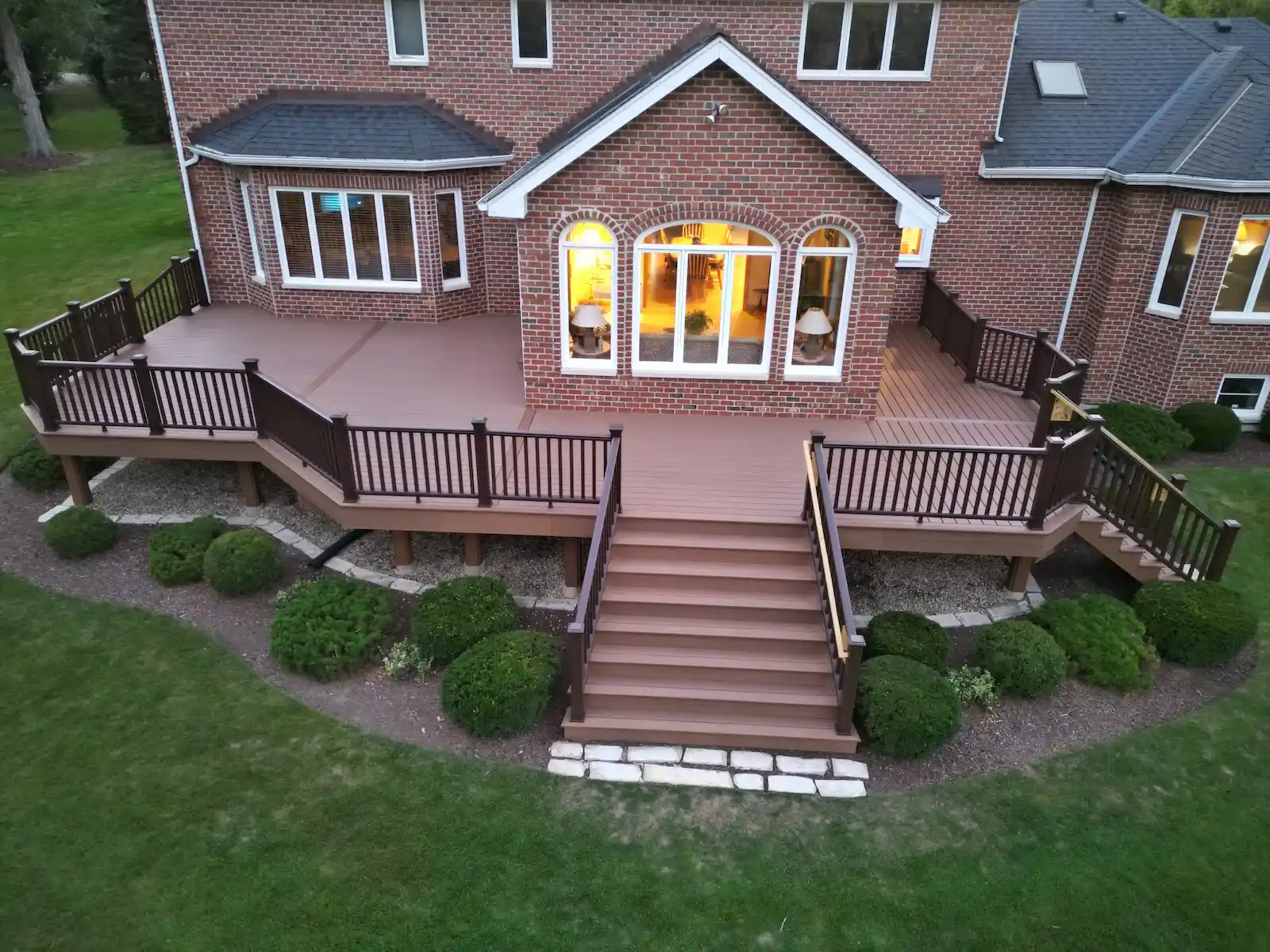
Board colors, textures, and grain patterns look completely different under actual Midwest sunlight than they do on a screen.
Warner’s Decking brings full-size samples from both Trex and TimberTech straight to your home. You can test board colors next to your siding, brick, and landscaping in full sunlight before making your final decision.
Contact Warner’s Decking today to schedule an on-site consultation and get a transparent estimate for your new deck.
Frequently Asked Questions
Is Trex cheaper than TimberTech?
Trex offers a lower starting price point, especially in its entry-level collections. TimberTech pricing varies depending on whether you choose composite decking or premium AZEK PVC decking. The final cost depends on the collection, deck size, railing options, and installation requirements.
How long does a composite deck last?
Quality composite decks last 25 years to 50 years or more with basic care. Both brands back their products with long-term structural and fade and stain warranties.
Is TimberTech cooler than Trex in direct sunlight?
Certain TimberTech collections (including Lineage and select AZEK lines) feature heat-mitigating technology designed to reduce heat buildup. However, actual surface temperature still depends heavily on board color, sunlight angle, and weather conditions.
Does Trex or TimberTech scratch easier?
Both Trex and TimberTech feature tough protective caps designed to resist everyday wear. Premium decking lines resist scratches better thanks to stronger protective caps and deeper wood-grain textures.
What is the difference between Trex and TimberTech AZEK?
The main difference between Trex and TimberTech AZEK is the materials used. Trex uses a blend of recycled plastic and wood fibers, while TimberTech AZEK is made from capped polymer, offering even greater durability and moisture resistance. AZEK also stays cooler and offers a more premium look compared to Trex.
Is Trex or TimberTech slippery when wet?
Both Trex and TimberTech use raised grain patterns on their cap layers to provide traction in wet conditions. Keeping your deck clear of algae and dirt ensures safe footing around pools and after rain.
Is TimberTech AZEK different from composite decking?
Yes. TimberTech AZEK is made from cellular PVC containing no wood fibers. It contains no organic material, so it resists moisture and performs well around pools, hot tubs, and lakeshores.
Which brand is better for the Chicago climate?
Both Trex and TimberTech perform exceptionally well in the Chicago suburbs when installed properly. The key is selecting the right decking for your sun exposure and installing it with proper framing, joist spacing, and airflow.