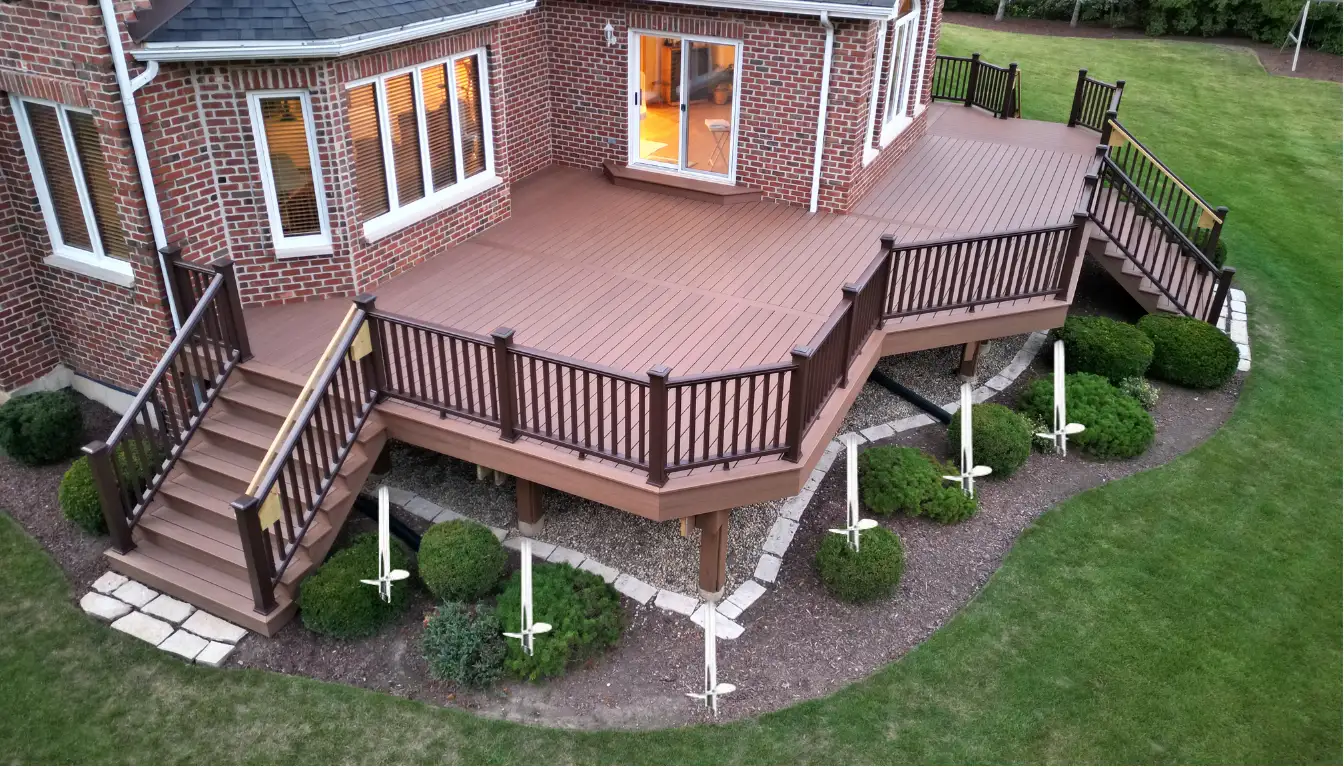
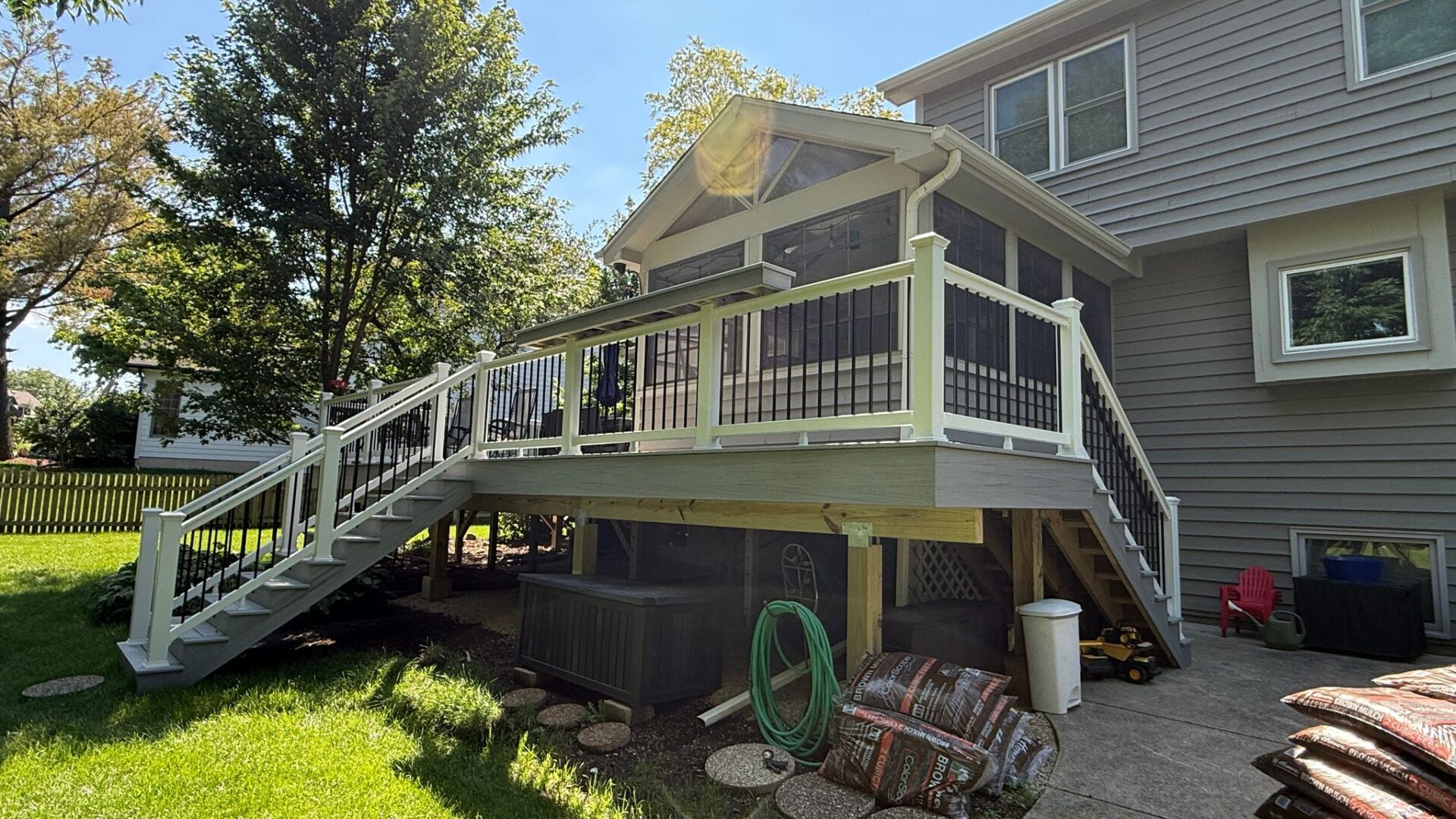
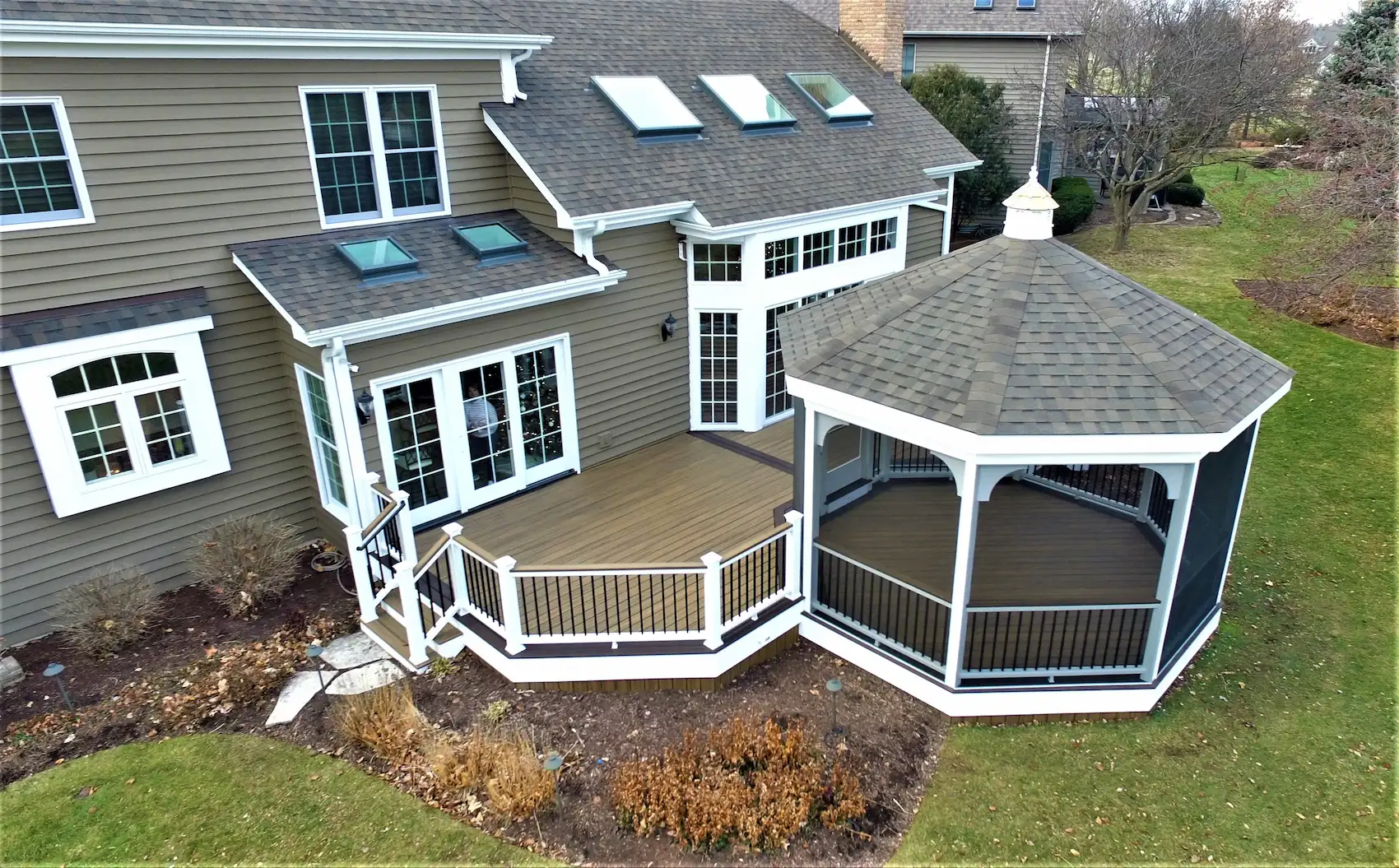
When Should You Resurface a Deck?
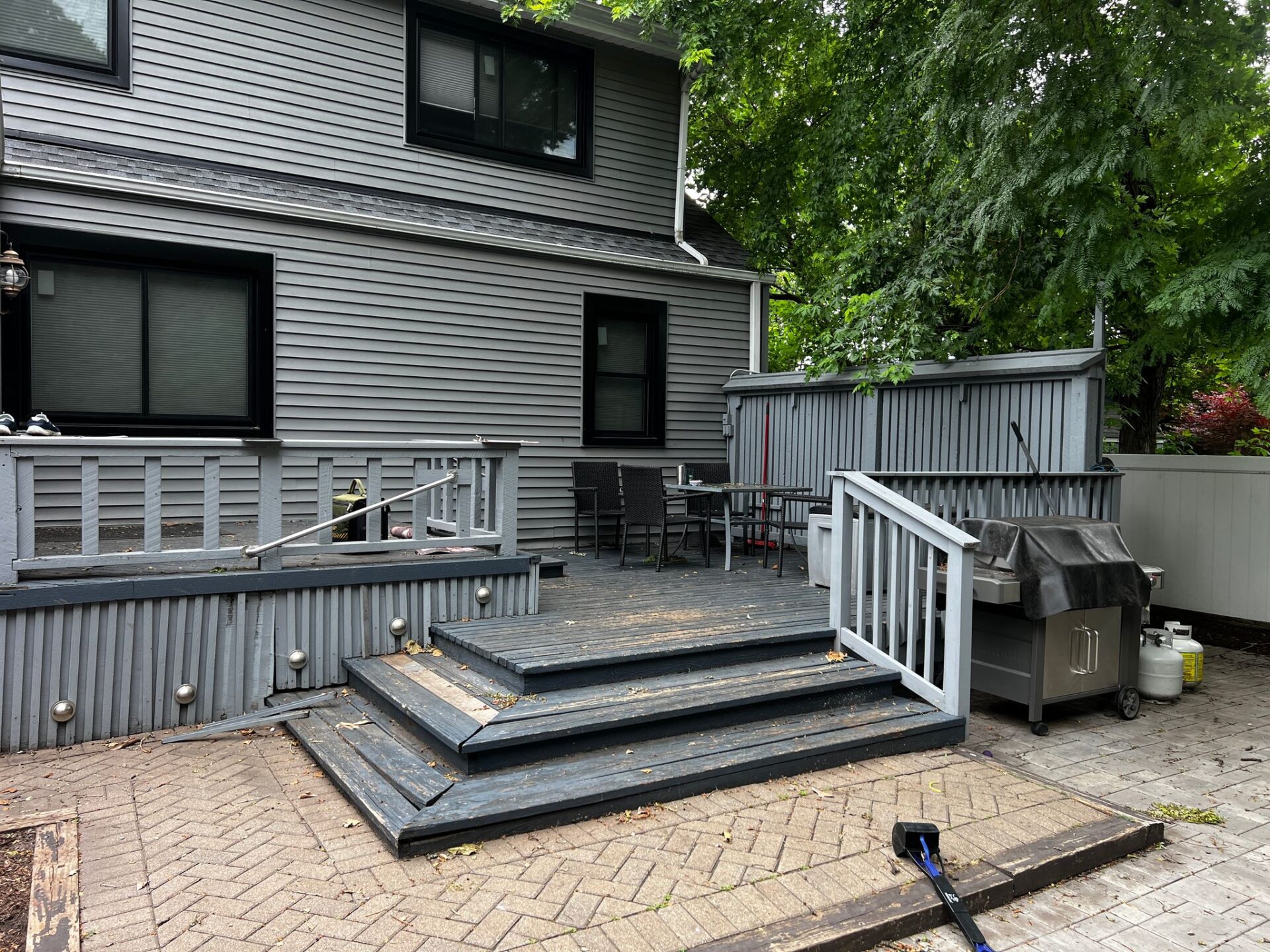
A worn deck does not necessarily require complete replacement. If the existing frame is in good condition, you can replace the worn deck boards and keep the structure underneath. This process, known as deck resurfacing, involves replacing the decking boards while keeping a structurally sound frame in place. It also gives you the opportunity to upgrade an old wood deck to low-maintenance composite decking.
The key question is simple: Is the damage limited to the surface, or has the structure underneath also deteriorated? In our experience inspecting decks across the Chicago suburbs the surface often looks worse than the underlying structure. However decks do have structural problems. Ledger connections can fail behind the rim joist without visible signs of damage. That’s exactly why a proper evaluation matters more than a guess from the yard.
Signs Your Deck May Be Ready for Resurfacing
The surface of a deck takes the most abuse from sunlight, rain, snow, foot traffic, and temperature changes. As a result decking boards often wear out before the frame underneath.
Cracked or Splintered Deck Boards
Cracked and splintered boards are common signs that an older wooden deck is reaching the end of its surface life. Wood expands and contracts as moisture and temperatures change. Over time, this can cause boards to split, check, or develop rough areas. You can replace the deck boards without rebuilding the entire deck when the frame remains strong.
Faded, Stained, or Weathered Boards
Years of sun and changing weather can leave a wood deck gray, faded, and uneven in appearance. Cleaning, sanding, staining, and sealing can improve an older wood deck for a while. Once the boards have become heavily weathered, replacing them can provide a better long-term result. Many homeowners choose composite decking for resurfacing because it does not require regular staining or sealing like traditional wood.
Loose, Cupping, Warped, or Damaged Boards
Boards that are loose, warped, cupped, or pulling away from their fasteners may need to be replaced. You can often repair a few damaged boards without rebuilding the entire deck. During resurfacing, you remove the damaged boards and replace them while inspecting the frame underneath.
Peeling or Flaking Paint and Stain
If an older wood deck requires frequent repainting, staining, or sealing, resurfacing may provide a longer-term solution. This works especially well if you’re discussing upgrading from wood to composite.
Raised or Failing Fasteners
Screws and fasteners can loosen, rise above the surface, or fail as decking boards age and move over time. If the frame is still in good condition, you can replace the decking without rebuilding the entire deck.
An Outdated Deck Appearance
Your deck does not need to be falling apart before resurfacing makes sense. Sometimes the structure is still strong, but the deck looks old or no longer fits the style of your home. You can give your deck a fresh new look by replacing the deck boards, railings, fascia, and stairs without rebuilding the entire structure.
When Can You Reuse the Existing Deck Frame?
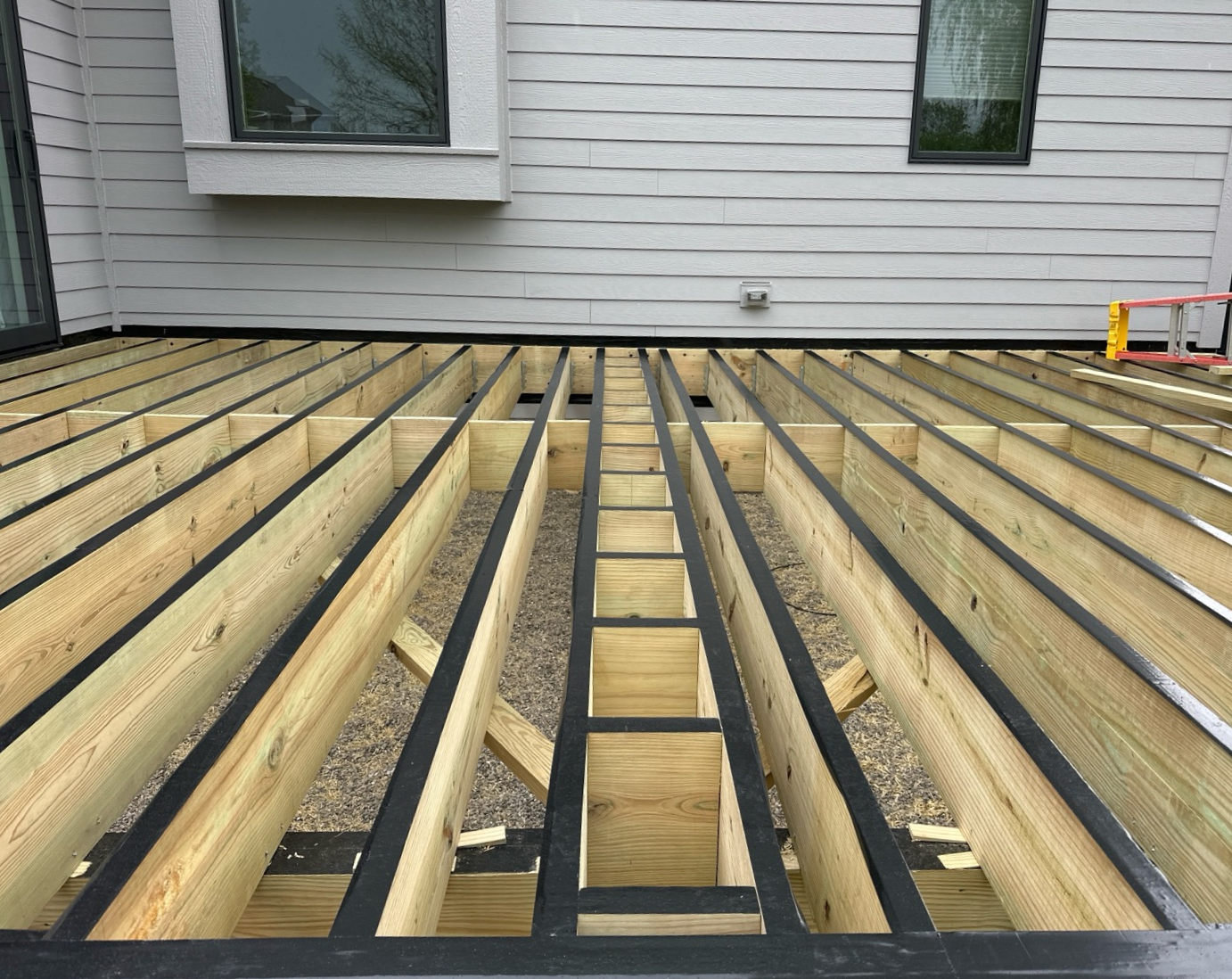
The most critical factor in deciding whether to resurface is the structural condition of the frame underneath. Surface decking and structural framing rarely age at the same rate. Deck surface boards wear from weather and foot traffic, while protected joists and beams often stay structurally sound longer.
Before committing to a resurface, verify the framing lumber type. Builders in the 1990s and early 2000s frequently framed decks with cedar or Douglas fir. Both wood species rot from the inside out much faster than modern ground-contact, pressure-treated lumber.
Before resurfacing, inspect the existing structure for:
- Solid Joists: Free of major rot, decay, or top-edge soft spots where old deck screws penetrated the wood.
- Stable Main Beams: Structurally sound with no sagging, twisting, or ply separation.
- Solid Posts & Footings: Free of ground-level wood decay, soil settling, or frost-heave movement.
- Secure Ledger Connections: Properly attached to the house rim board with code-compliant structural screws and intact flashing.
- Intact Structural Hardware: Joist hangers, post brackets, and fasteners properly secured without severe rust or corrosion.
- Proper Alignment & Spacing: Flat, level framing that meets manufacturer joist-spacing requirements for your new decking material.
Never resurface a deck based on surface appearance alone. The structure underneath must be fully suitable for another long service life.
For a detailed look at the inspection process, read our guide on reusing an existing deck frame.
When Should You Replace the Entire Deck?
Resurfacing is not the right solution for every deck. New decking will not solve the problem if the underlying structure has widespread rot, excessive movement, or failing connections.
A full deck replacement may be the better choice when you find:
- Extensive rot in multiple joists, beams, or posts
- Severely deteriorated structural framing
- Unsafe or damaged ledger connections
- Failing footings or unstable support posts
- Major structural movement or sagging
- Framing that cannot reasonably support the new decking system
- A layout that needs major changes or expansion
In these situations, replacing the entire structure may provide a better long-term result.
Our deck replacement guide explains what you need to know when an existing deck needs more than a surface upgrade.
Deck Resurfacing vs. Full Deck Replacement
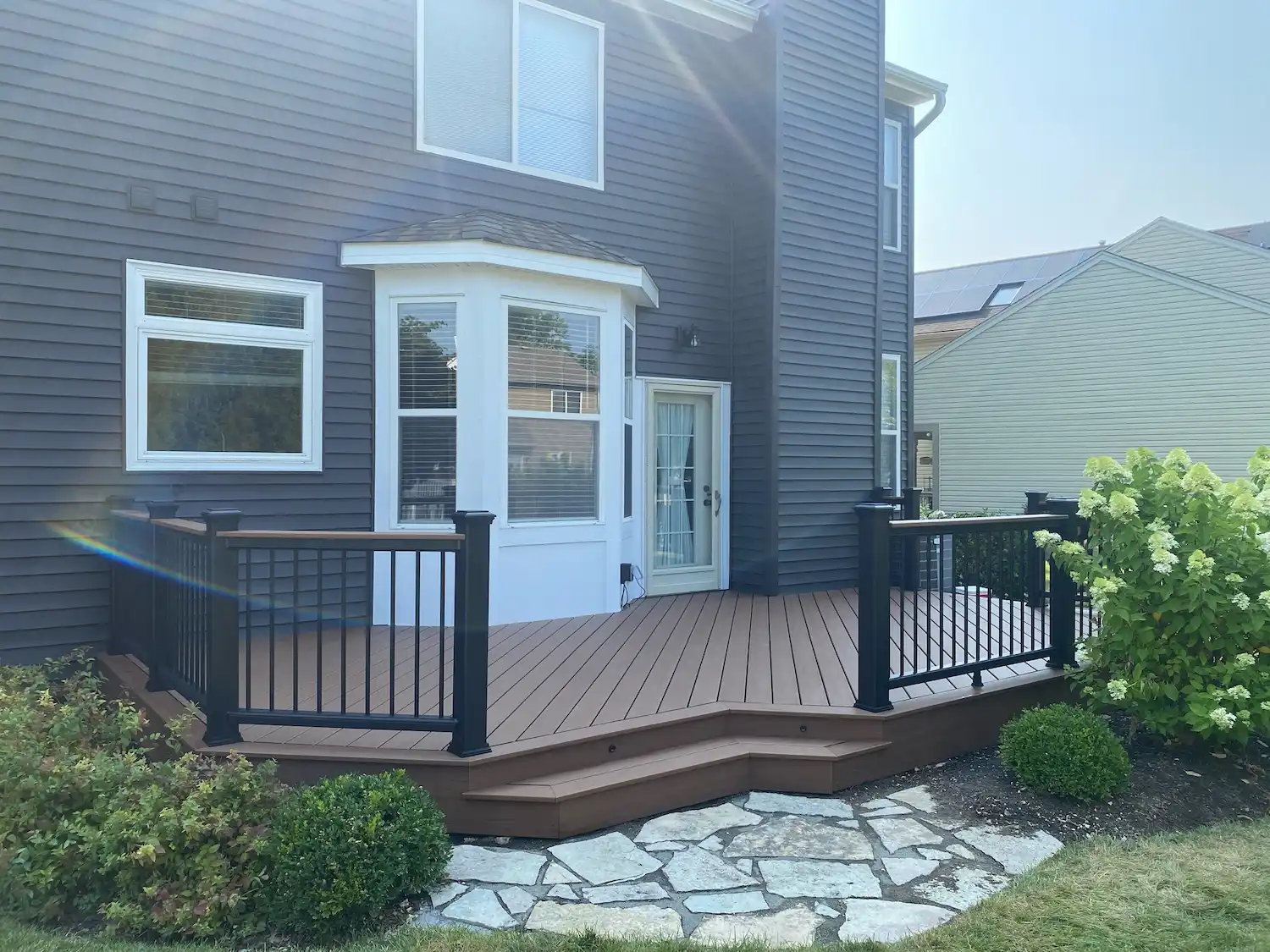
The basic difference is the condition of the structure.
| Resurfacing Makes Sense When: | Replacement Makes Sense When: |
| Existing frame is structurally sound | Structural framing is deteriorated |
| Surface boards are cracked or splintered | Joists or beams have rot |
| Deck boards are worn or faded | Posts or footings are shifting, settling, or heaving |
| You like the current deck size and layout | You want to significantly change the layout |
| You want to replace wood with composite decking | The existing frame cannot support the new design |
If the frame is sound, you can keep it and replace the decking and other components that have worn out.
Can You Resurface a Wood Deck With Composite Decking?
Yes. Replacing old wood decking with composite decking is a popular way to update an existing deck. However, the existing frame must be suitable for the new composite system. Joist spacing, surface levelness, fasteners, drainage, and other installation requirements can vary by product. Composite decking can weigh more than wood decking, so a weak foundation may settle under the additional load.
We typically install composite decking with 12-inch-on-center joist spacing to provide the support the decking requires. You should evaluate the frame based on the installation requirements for the specific decking product you plan to use. You can learn more in our guide to resurfacing a wood deck with composite decking.
Why Choose Composite Decking for Resurfacing?
If your existing frame is in good condition, resurfacing lets you improve more than just the appearance of your deck. Many homeowners replace an aging wood surface with composite decking because it offers:
- Less maintenance – No regular staining, painting, or sealing
- Resistance to splintering – A benefit for families who use the deck barefoot
- Weather resistance – Composite decking handles moisture and changing weather conditions.
- Consistent appearance – Modern composite boards offer a range of colors and wood-grain finishes
- Long-term durability – Quality composite decking can provide decades of service when properly installed
You still need to clean your deck occasionally, but composite decking requires much less maintenance than traditional wood. See our Trex composite decking page to learn more about one of the composite systems Warner’s Decking installs.
How Long Does a Resurfaced Deck Last?
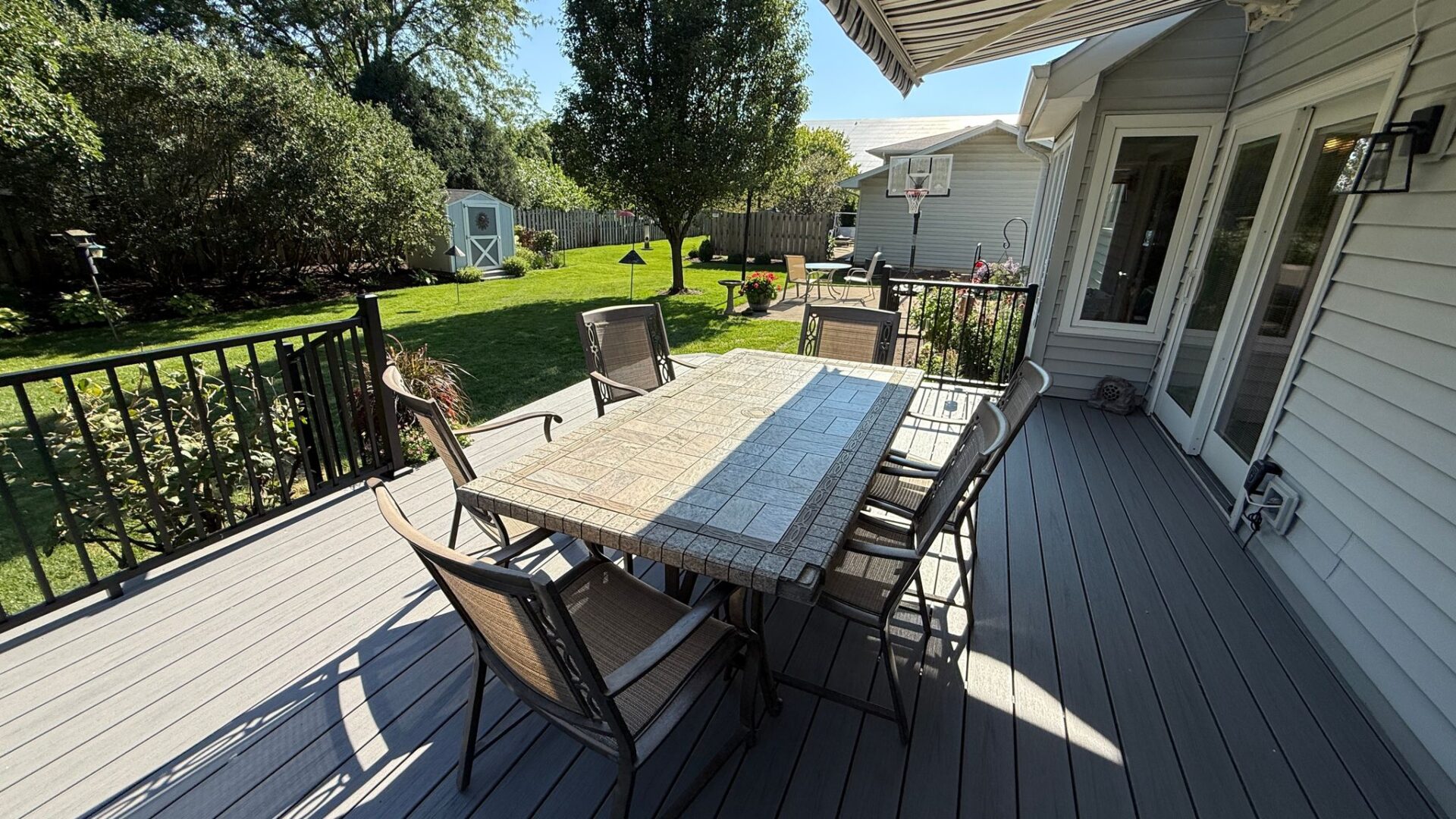
The lifespan of a resurfaced deck depends on both the new decking and the existing structure. New composite decking can last for decades, but the frame underneath remains an important part of the overall system. If the deck frame is nearing the end of its life, replacing only the deck boards may not be worth the investment. This is especially important when choosing composite decking. A quality composite deck surface may last 25 to 50 years, depending on the product and installation. If the frame fails before the new decking wears out, you may have to remove the decking and rebuild the frame sooner than expected.
That is why a sound existing frame can be valuable. The goal is not simply to reduce the initial cost. The existing structure should provide adequate support and remain suitable for the new decking throughout its expected service life. Proper installation, drainage, ventilation, and moisture protection can also help extend the life of the structure.
How Much Does Deck Resurfacing Cost?
Resurfacing can cost less than a new deck because you may be able to keep the existing frame. However, the frame is not necessarily the most expensive part of a deck project. Decking boards and other finished components can account for a significant portion of the overall cost. That is why resurfacing a sound frame can be a smart option. If the existing frame is in good shape, you can reuse it and spend more of your budget on new decking, railings, and stairs.
Final pricing depends on several factors, including:
- Deck size
- Condition of the existing frame
- Type of decking material
- Composite product and color
- Railing selection
- Stair modifications
- Fascia and other finishing details
- Structural repairs or framing adjustments
For a more detailed breakdown, see our guide to deck resurfacing costs.
How to Decide If Your Deck Should Be Resurfaced
The decision comes down to one key question: Is the damage limited to the surface, or does the frame also have problems? You can replace the decking, railings, and stairs when the existing frame is still in good condition. This approach lets you update the deck without rebuilding the entire structure. You can replace the worn components without rebuilding a structure that still has useful life. If the frame has rot, damage, weak connections, or other major issues, it may be best to replace the deck.
See If Your Deck Can Be Resurfaced
If your deck boards are showing their age, you may not need to start over. Warner’s Decking can evaluate your existing structure and determine whether resurfacing is a practical option. If the frame is suitable for reuse, we can replace the worn decking and help you choose between wood and low-maintenance composite decking.
Ask These Questions Before You Decide
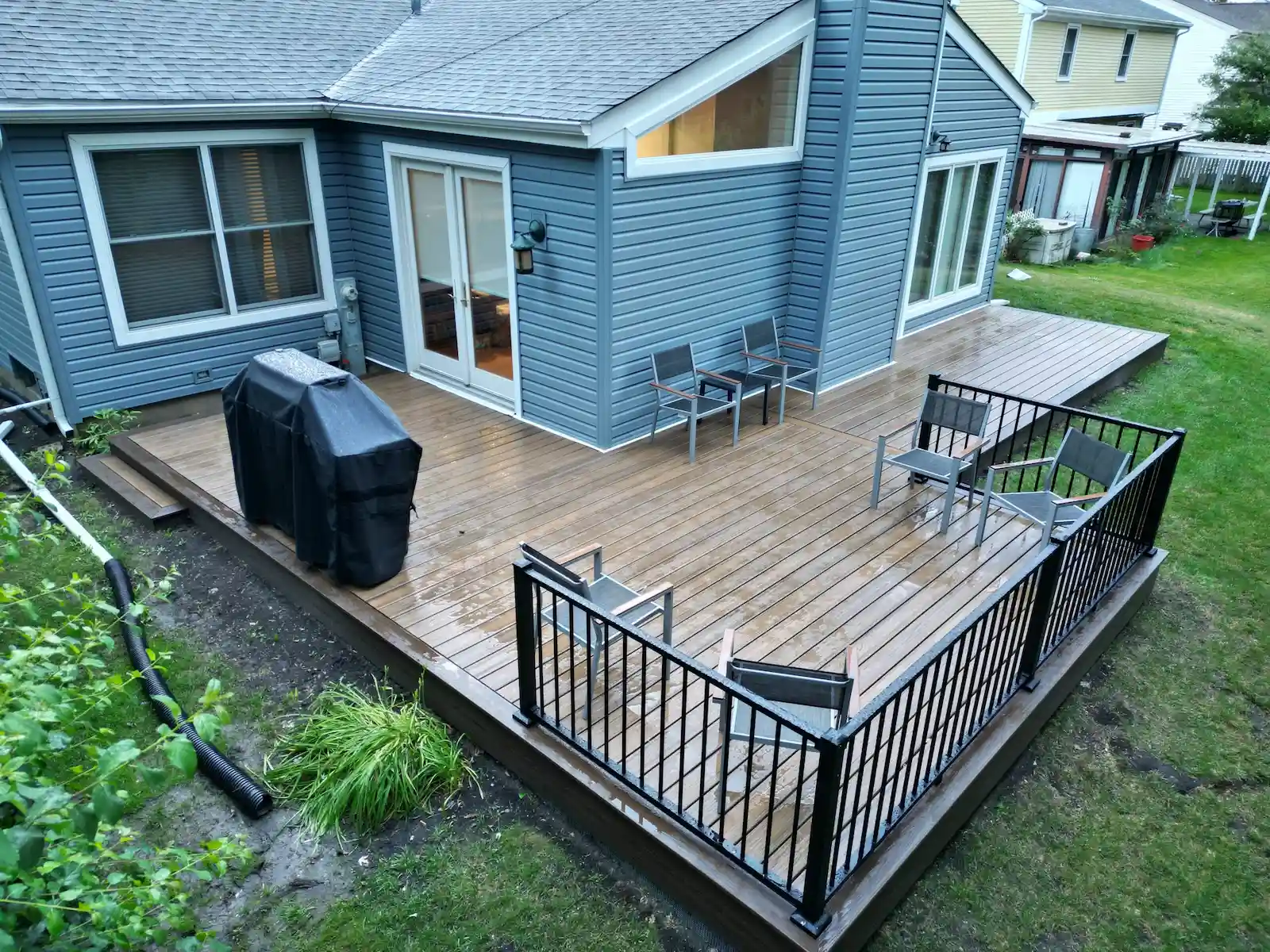
Does the current layout still work for you? If you like the deck’s size, shape, and layout, resurfacing can give it a new look without rebuilding the structure.
How old Is the current deck frame? The age of your deck can help determine whether resurfacing makes sense. An older frame may have more wear or hidden damage, even if the decking still looks usable. Before resurfacing, inspect the joists, beams, posts, ledger, connections, and footings to make sure the frame is suitable for reuse.
Do you want to upgrade to composite decking? If the existing frame is still sound, you can replace the old wood decking with composite decking without rebuilding the deck. This allows you to upgrade the surface while keeping a frame that still has useful life.
Frequently Asked Questions
Who are Top-rated deck resurfacing companies near me?
Look for licensed, insured local deck builders like Warner’s Decking who specialize specifically in custom deck construction and composite upgrades rather than general handymen. Top-rated resurfacing contractors evaluate your framing first, carry elite manufacturer certifications (such as TrexPro Platinum), and provide explicit structural warranties covering both materials and installation labor.
Does my existing deck frame need to meet current building codes to be resurfaced?
Yes. Local building departments require any resurfaced deck frame to meet current structural load and safety codes. When you replace surface boards, contractors must update non-compliant framing elements such as adding structural ledger screws, installing lateral-load tension ties, or adding joist support to pass municipal inspections.
How much does it cost to replace decking?
Decking replacement costs vary based on square footage, material selection, and structural repairs. A 144 sq. ft. deck can cost somewhere around $13,000. Pressure-treated wood resurfacing generally costs less upfront, while premium low-maintenance composite decking carries a higher material cost. Adding custom railings, stair modifications, picture-framing, and joist repairs will also impact the total project estimate.
How to choose the best deck resurfacing product?
Select your decking material based on maintenance preferences, sun exposure, and budget. High-performance capped composite decking eliminates regular sanding, staining, and sealing while offering superior fade and stain resistance. Look for products with at least a 25- to 50-year manufacturer stain and fade warranty that feature realistic wood-grain textures and concealed fastening options.
What happens if my joists are spaced 16 inches apart and I want composite decking?
While some composite manufacturers permit 16-inch on-center joist spacing for straight runs, framing at 12-inch centers provides a noticeably firmer feel underfoot and prevents board sagging in hot weather. Contractors can easily install additional sister joists to your existing 16-inch frame during resurfacing to meet manufacturer specifications and ensure rigid support.