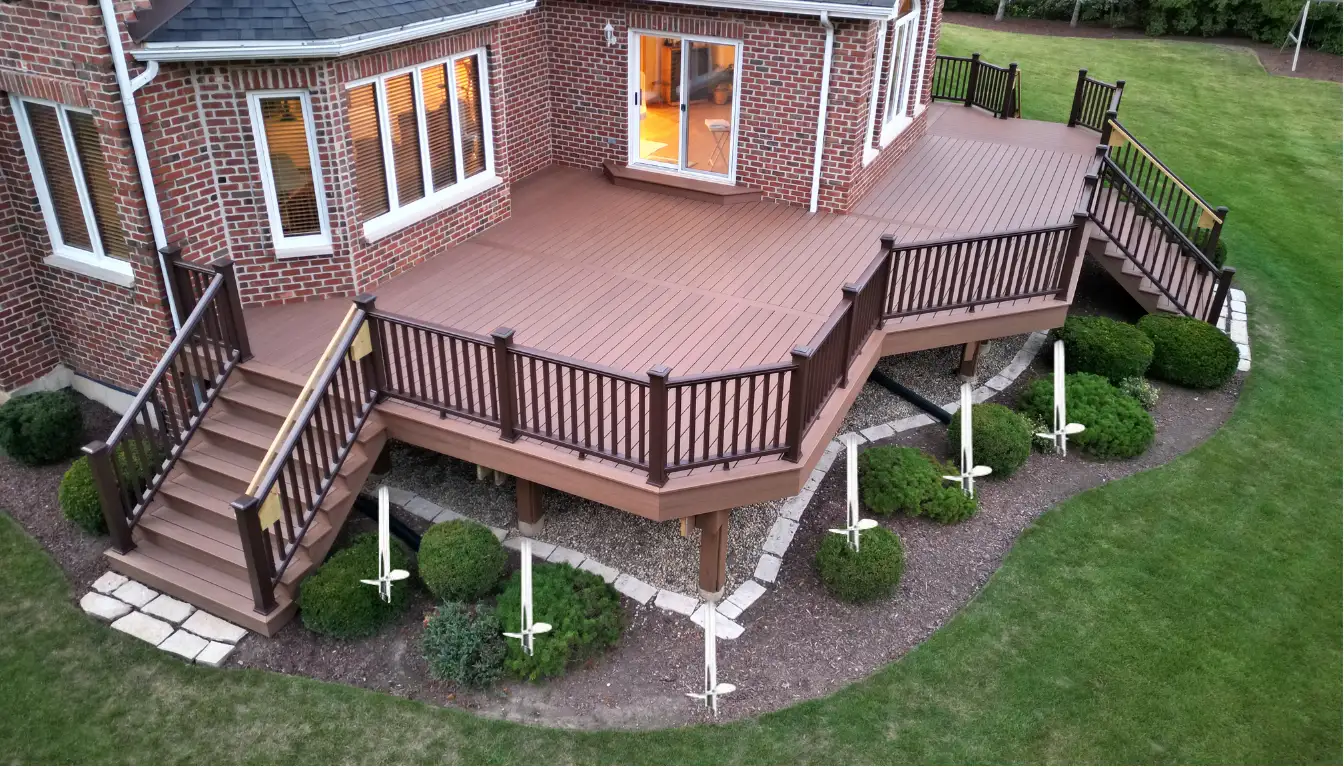
Can You Reuse an Existing Deck Frame for Resurfacing?
You can often reuse your existing deck frame for resurfacing only if it’s in good condition. Before installing new decking boards, inspect the framing for rot, structural movement, inadequate support, and other safety issues. Reusing a good frame saves time and money, but building over a damaged structure leads to costly problems later.
How to Tell If an Existing Deck Frame Can Be Reused
Evaluating your frame requires checking every support component below the decking surface. Outdoor exposure, including repeated moisture and freeze-thaw cycles, can cause wood deterioration over time. Before buying new materials, check these key areas carefully:
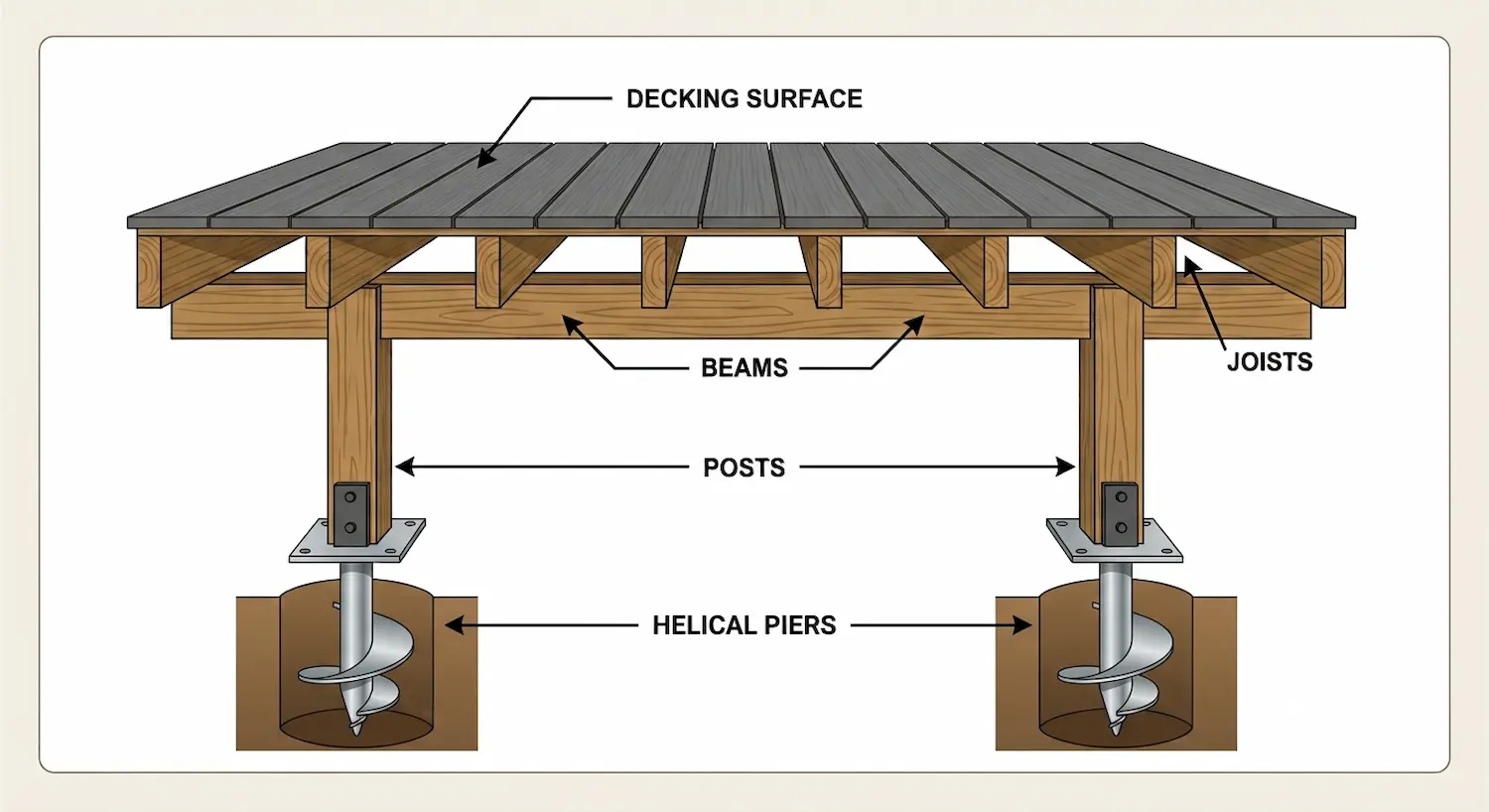
Visual summary: Deck weight flows from top decking boards, through support joists, across main beams, down posts, and into footings.
Joists: Inspect the top edges and existing screw holes for signs of wood deterotiation or cracks. Water can enter around old fastener holes and other damaged areas, contributing to hidden deterioration inside the wood.
Beams: Look for deep cracks, sagging, or soft spots where joists rest on main support beams.
Posts: Inspect posts for alignment, structural integrity, and signs of decay. Check the connections between the posts and their concrete footings or helical piers for movement or damage.
Footings: Check for sinking, leaning, or frost-heaving that creates an uneven base.
Ledger Board: Inspect where the deck attaches to the house. The ledger and its connection to the home are critical structural components. Check them for rot, water damage, deterioration, and improper attachment.
Hardware: Inspect joist hangers, bolts, brackets, and other fasteners for rust, looseness, damage, or signs of failure.
Rot and Decay: Inspect the wood around joist connections for signs of softness, deterioration, or decay. Significant wood rot compromises the frame’s structural integrity and rules out resurfacing.
Moisture Damage: Inspect joists for mold, mildew, or dark water stains.
Structural Movement: Check for visible sway, bounce, or leaning posts. These point to structural problems that require expert review.
Joist Spacing and New Decking Requirements
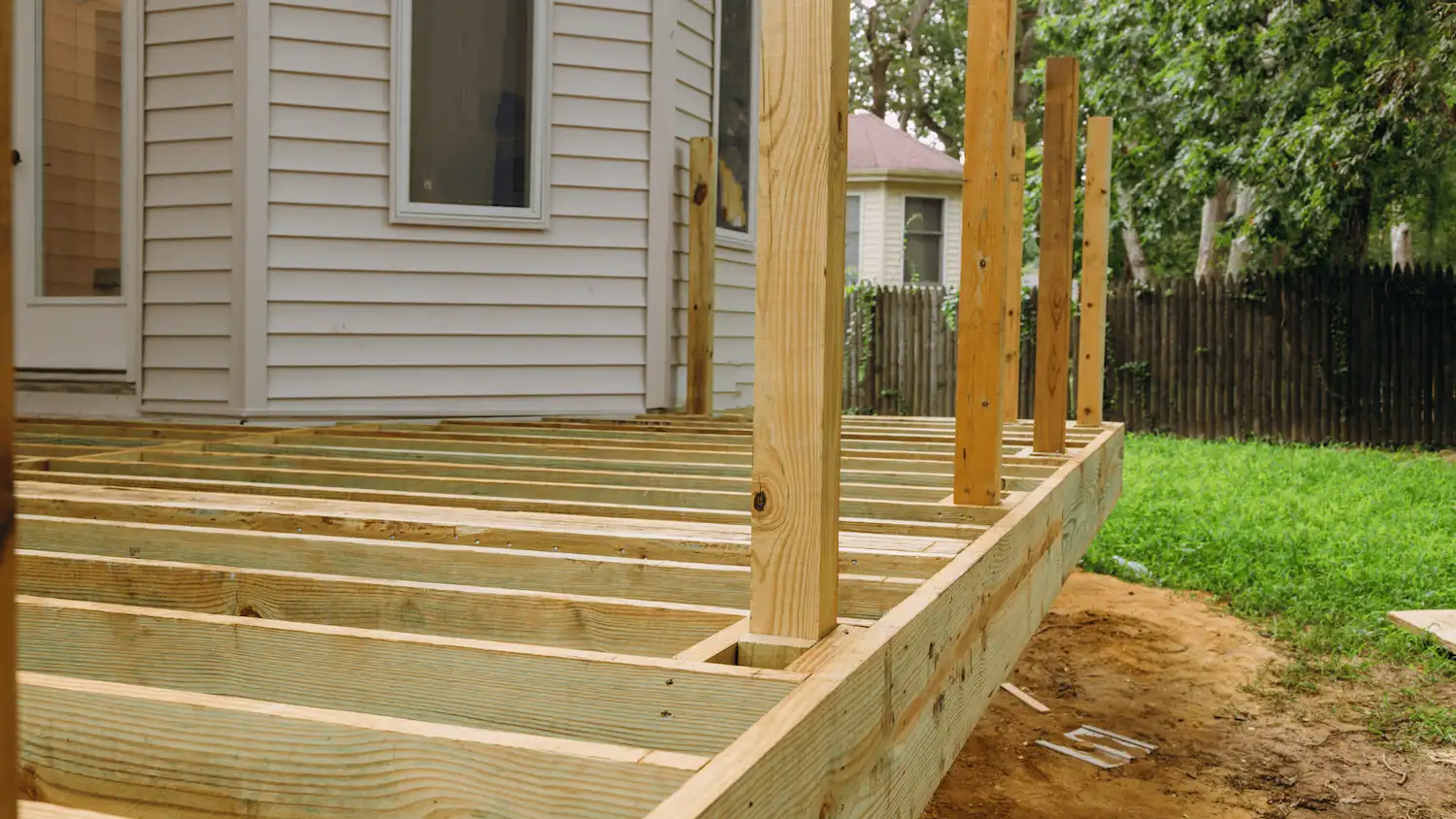
Existing joist spacing must match the installation requirements for your new decking system. Many residential decks use 16-inch O.C. joist spacing, but requirements vary by decking product and installation pattern. Some composite decks and synthetic decking boards require closer spacing.
Joist spacing that does not meet the manufacturer’s requirements can affect performance and may affect warranty coverage. Always check the manufacturer’s current installation instructions before purchasing new materials.
For complete span tables, joist sizing rules, and load details, visit our comprehensive deck framing guide.
Evaluating the Ledger, Beams, Posts, and Connections
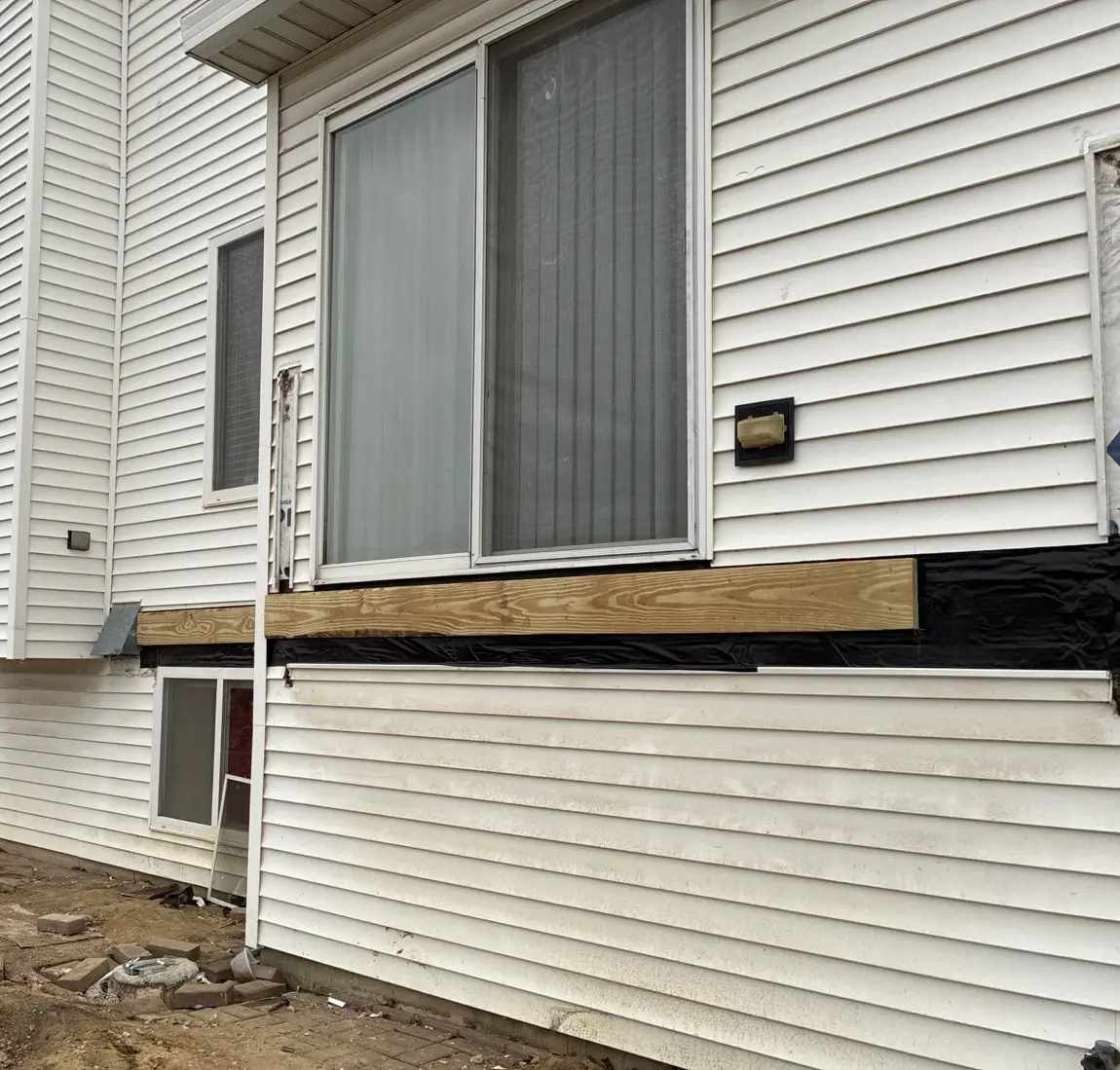
A deck frame acts as a single system. It transfers loads from the decking through the joists, beams, posts, and footings into the ground.
Ledger Board: The ledger must attach firmly to your house framing using approved structural fasteners. Proper flashing and water management are important for protecting the home’s framing from water intrusion.
Beams and Posts: Verify proper alignment and support for the posts and framing. Verify that each connection can handle the load.
Hardware: Always use connectors and fasteners rated for outdoor, pressure-treated wood. Stainless steel and hot-dipped galvanized hardware resist corrosion when properly selected and compatible with the treated wood.
Review current structural standards and code requirements to make sure your framework meets safety guidelines.
Can Existing Joists Be Modified?
Finding minor framing issues or wide joist spacing does not mean you must tear down the entire deck. You can repair or reinforce some localized issues without replacing the entire frame, depending on the structure’s condition:
Sistering: Fastening a new pressure-treated joist alongside a weak or sagging joist to restore strength.
Blocking: Adding solid wood blocks between joist runs to stop twisting, reduce movement, and stiffen the floor.
Framing Adjustments: Adding new joists between existing ones to convert wider spacing down to tighter centers for composite decks.
Reinforcement: Replacing damaged sections with fresh lumber and approved structural connectors.
Framing repairs are appropriate only when the ledger, support posts, primary beams, and other essential structural components remain sound.
Protecting the Existing Frame
Removing the old decking boards exposes the top edges of the joists. This is an appropriate time to add moisture-management protection before installing new decking boards.
Install self-adhering joist tape along the top edges of the joists. It helps prevent water from entering around new fasteners and protects the framing from moisture.
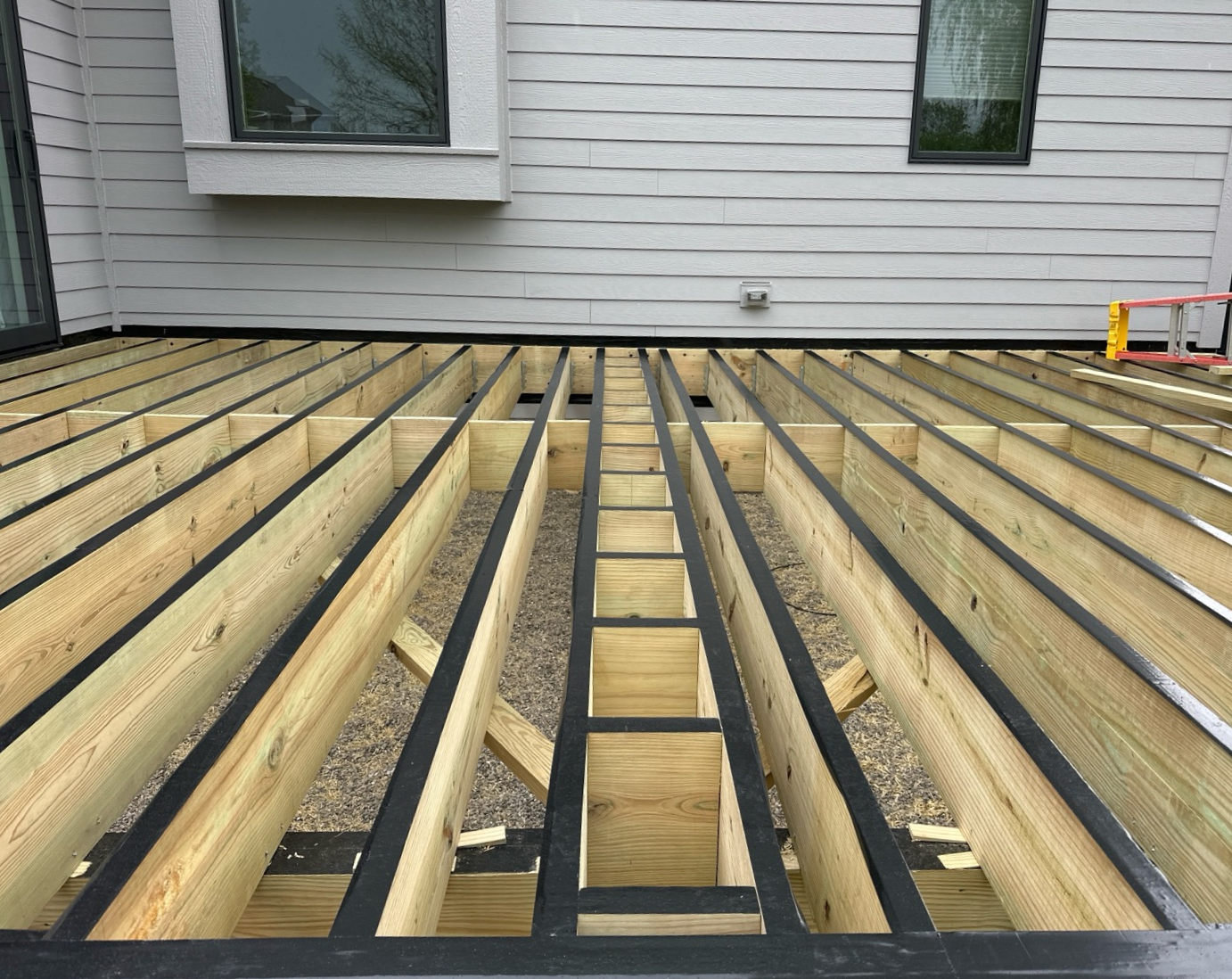
Visual summary: Self-adhering tape forms a protective moisture barrier between new decking boards and underlying joists.
This added layer can help reduce moisture-related damage as part of a properly installed resurfacing system. See our deck joist tape guide for additional information.
When the Existing Frame Should Not Be Reused
Badly rotted or structurally compromised framing may need to be replaced. Building new decking boards over a failing deck frame can create safety hazards and compromise your investment.
A total deck replacement may be necessary if your frame shows:
Widespread Rot: Deep decay spreading through main support beams, ledger boards, or multiple joists.
Soft or Crumbling Timber: Wood that has deteriorated and crumbles around screw holes.
Failing Support Beams: Cracked, sagging, or split beams that can no longer carry weight.
Unsafe Ledger Board: Rotted house rim joists, loose bolts, or missing flashing that lets water leak into your home.
Major Structural Shift: Leaning support posts, unlevel frames, or cracked concrete footings.
Inadequate Support: Undersized joists, missing footings, or posts with inadequate or deteriorated connections to the supporting foundation.
Serious Code Deficiencies: Frames that are out of compliance and unsuitable for an upgrade.
For details on building a frame from scratch, read our deck replacement guide. For an estimate, see our guide to deck resurfacing prices.
Not sure if your frame is ready for resurfacing?
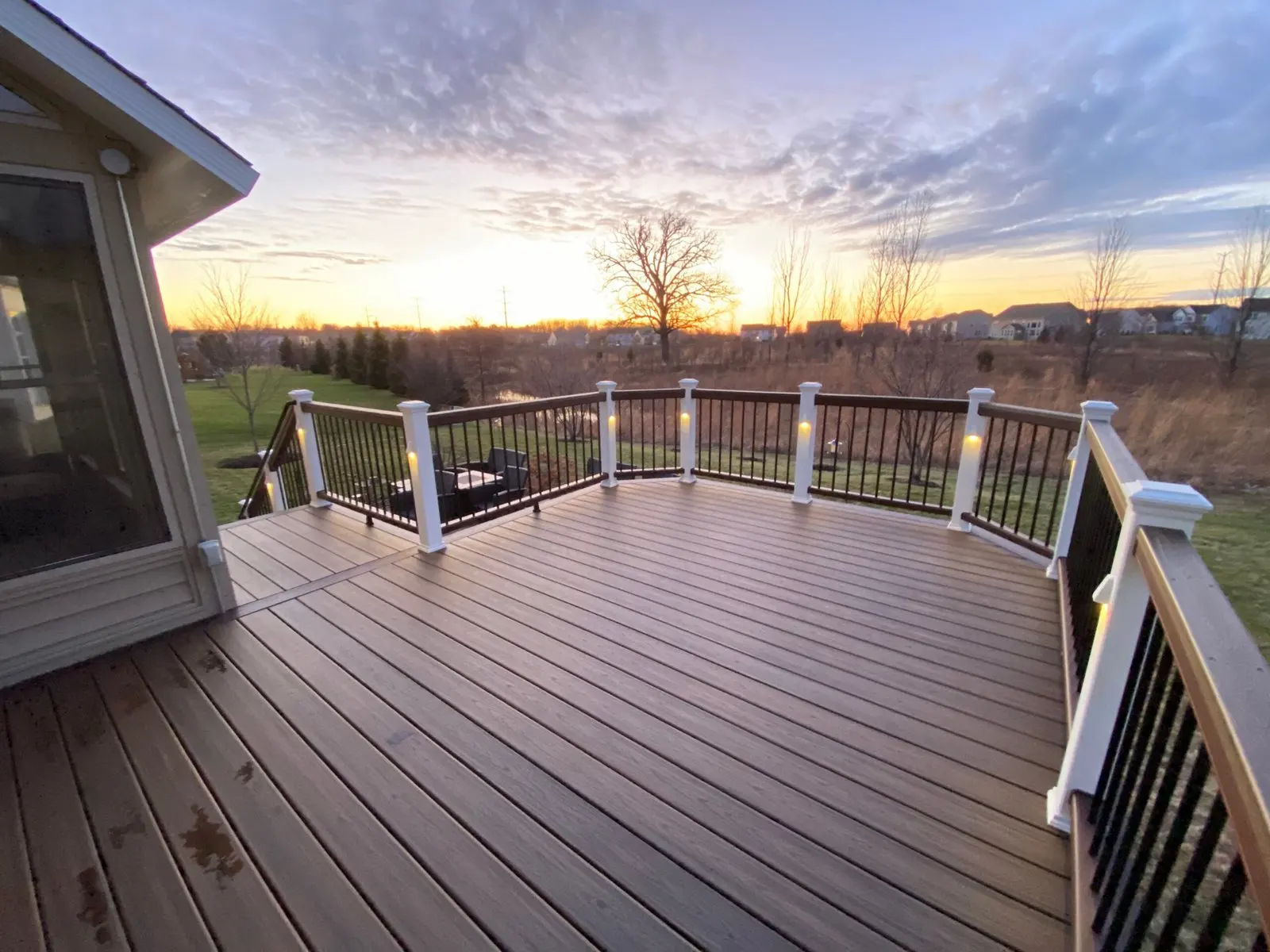
Framing health is the most important factor when choosing between resurfacing and rebuilding. A professional deck contractor can spot hidden structural issues and help you choose the best route for your home. If the existing structure cannot support resurfacing, explore our deck replacement options.
Frequently Asked Questions
Can you put new composite decking over old wood joists?
Yes, if the joists are structurally sound and spaced to match your decking’s requirements. Composite decking often needs closer spacing than wood, especially for diagonal layouts, so check manufacturer specs first.
Do you need to replace the ledger board when resurfacing a deck?
You can usually keep the existing ledger if it has no rot or water damage. The fasteners should be secure, and the ledger should have proper flashing.
How do you know if a deck frame is too damaged to reuse?
Look for widespread rot, soft or crumbling wood, cracked or leaning posts, or sinking footings. Code violations that require major repairs are another warning sign.
Is it worth adding joist tape when resurfacing an old deck?
Yes, it blocks moisture from entering around new fastener holes, helping prevent future rot even on a sound frame.