Helical Piers vs Concrete Footings: Choosing the Best Foundation
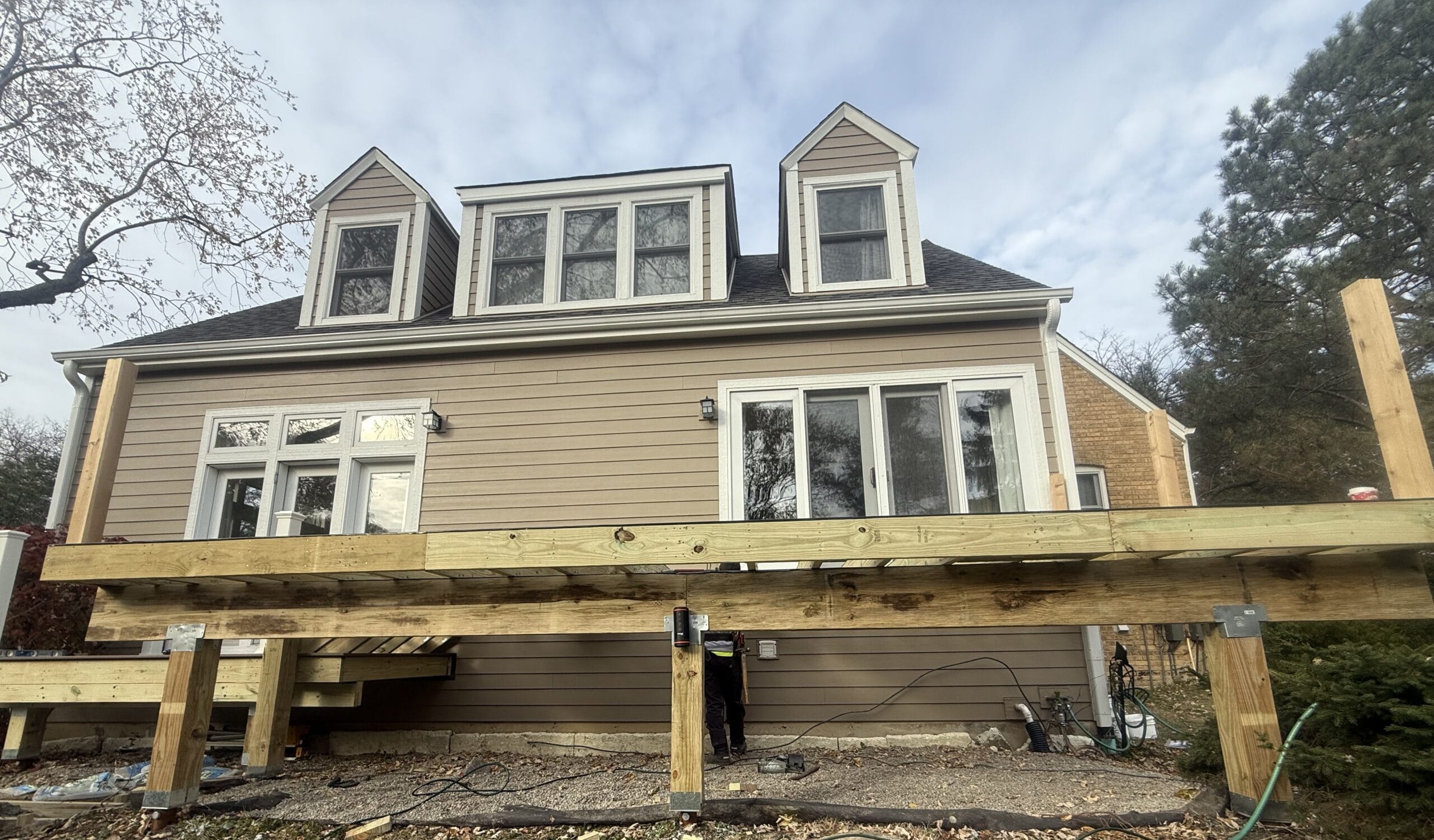
Every raised deck needs solid foundation support, but not all foundations deliver the same results. For better performance and efficiency homeowners and contractors are turning to helical piers instead of concrete footings.
They eliminate curing time and weather delays, provide instant support in challenging soil, and keep your project on schedule. They provide stronger, more reliable support than traditional concrete for new decks or foundation repairs. This means better protection for your home and long-term peace of mind.
What Are Helical Piers?
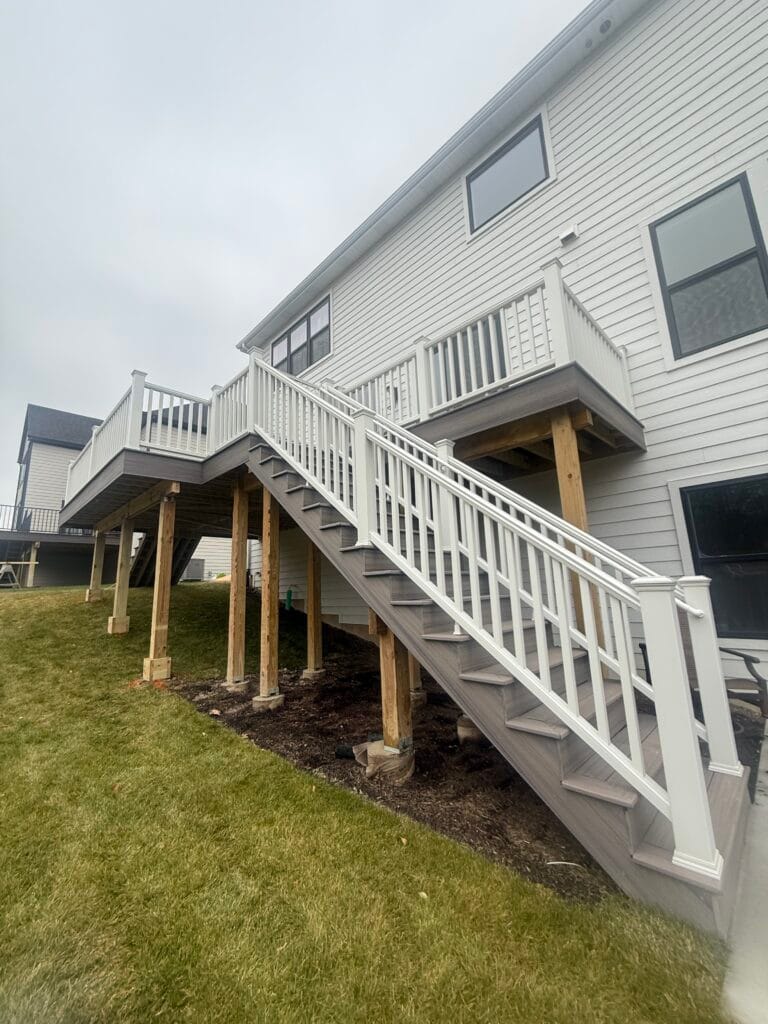
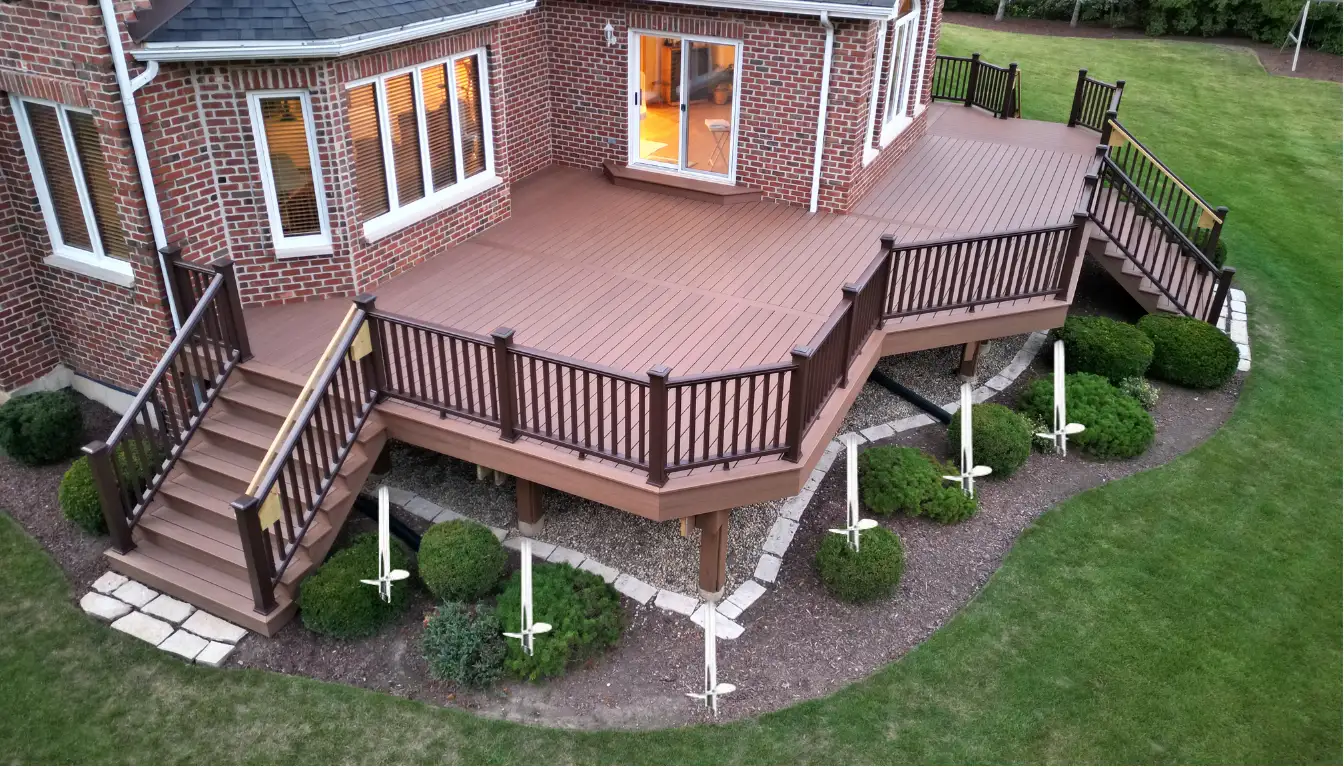
Helical piers are a type of foundation made of steel shafts with spiral plates that screw deep into the ground. They support raised decks, home additions, and other structures by reaching through weak soil to anchor in stable ground below. The installer can then submit a torque report documenting the installation and providing evidence that the pier meets the required load capacity.
Why Concrete Foundations Fall Short
Concrete has been the standard for years, but it comes with drawbacks:
Curing Time: Concrete must cure for 7-28 days before it can support weight. Cold or wet weather can halt installation.
Equipment Damage: Heavy machinery can disturb the surrounding area, damage landscaping, and increase restoration costs.
Uncertain Load Capacity: It’s difficult to verify the strength of a concrete slab foundation before problems appear. Problematic soil can lead to uneven floors, cracks, or long-term foundation damage.
These issues make concrete less flexible for modern foundation repair projects, especially in tight spaces or challenging soil conditions.
The Helical Pier Advantage
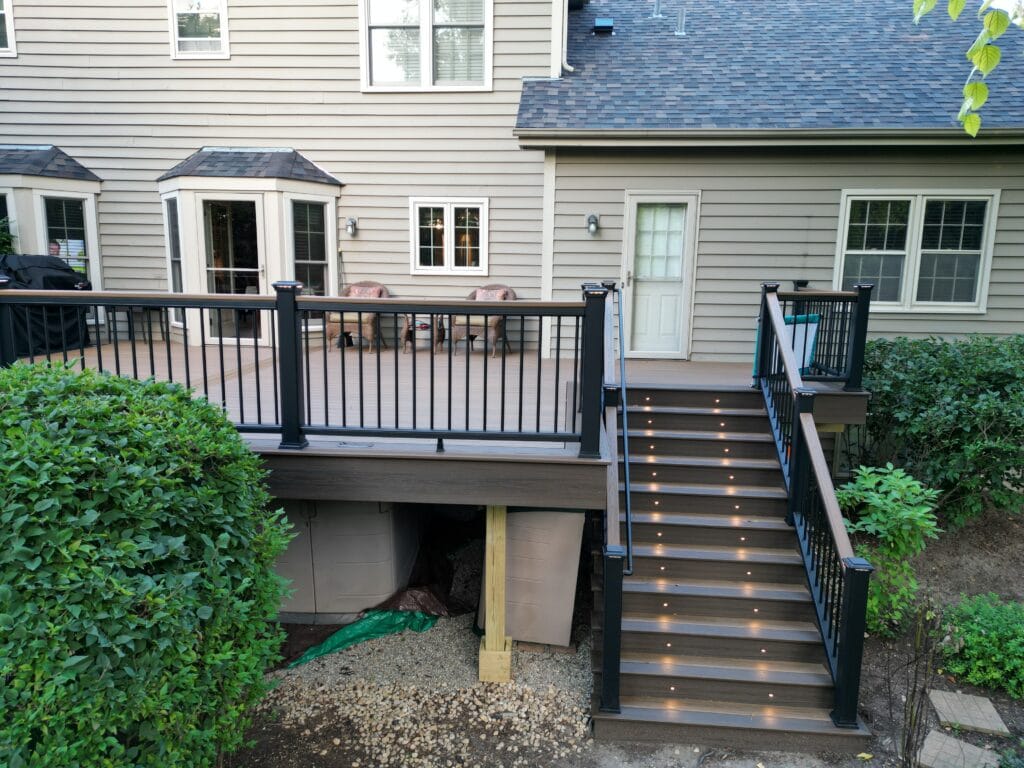
Helical pier foundation supports weight immediately. Most installations take 1 to 2 days to complete, while concrete foundations require 2 to 4 weeks. This allows foundation repair to finish quickly with minimal disruption to your property.
Builders can install helical piers in nearly all weather conditions keeping projects on track despite rain, snow, or frost. The installation requires minimal excavation and can be completed with compact equipment, reducing disruption to the surrounding area and protecting existing landscaping.
Installers verify load capacity in real-time during installation, measuring exactly how much weight each pier can support. They can also place them in challenging soil conditions, including clay, sand, wet ground, or fill.
Helical piers initially cost more than concrete. However, they are faster and more reliable, which can lower total project costs. They eliminate lengthy curing delays, reduce labor time, and solve foundation problems such as settling and sinking decks.
Galvanized steel construction with protective coatings ensures long-term durability without cracking or deterioration.
Installation and Standards
At Warner’s Decking, every helical pier installation follows strict engineering standards. We assess soil conditions to determine optimal pier depth and spacing. Hydraulic torque monitoring ensures each pier meets load ratings of 15,000 – 50,000 lbs. All work complies with IBC and ICC-ES AC358 standards, with full documentation for inspections and permits.
Common Foundation Problems Helical Piers Solve
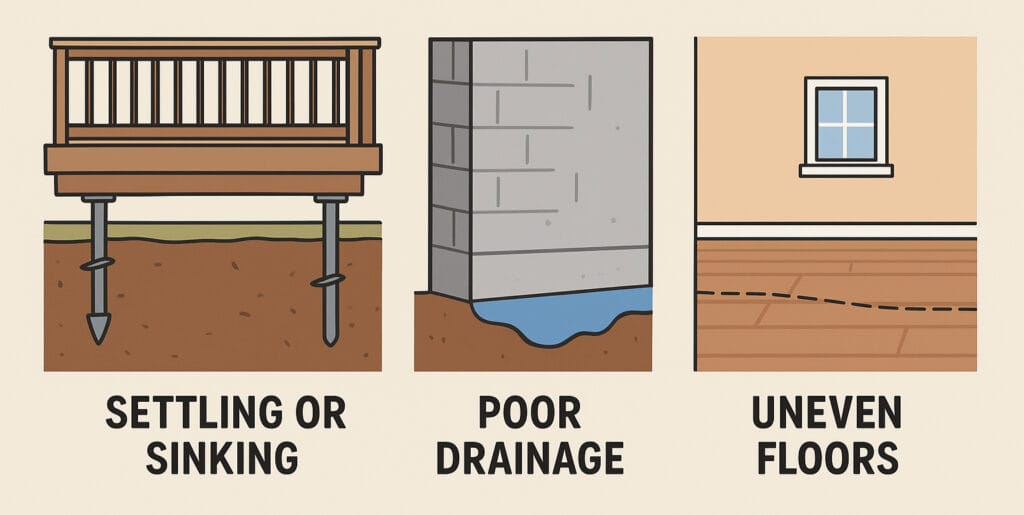
Helical piers correct a wide range of foundation issues:
Settling or Sinking: Shifting soil can destabilize your foundation. Piers anchor below unstable soil to stabilize the structure.
Poor Drainage: Water can erode or weaken foundations. Piers reach below the water table to solid ground.
Uneven Floors: They lift and level structures affected by foundation settlement.
Helical piers support structures reliably for the long term and work with pier-and-beam foundations, concrete slabs, decks, or basement walls.
When to Choose Helical Piers
Consider helical piers when:
- You’re building a new deck or home addition.
- You need rapid foundation repair without lengthy delays.
- Your soil conditions are poor or inconsistent.
- Access is limited, such as in tight spaces or near existing structures.
- Load capacity verification is important for permits or peace of mind.
- The weather might delay concrete work.
- You want long-term protection against foundation damage and settling.
A Smarter Foundation for Your Raised Deck
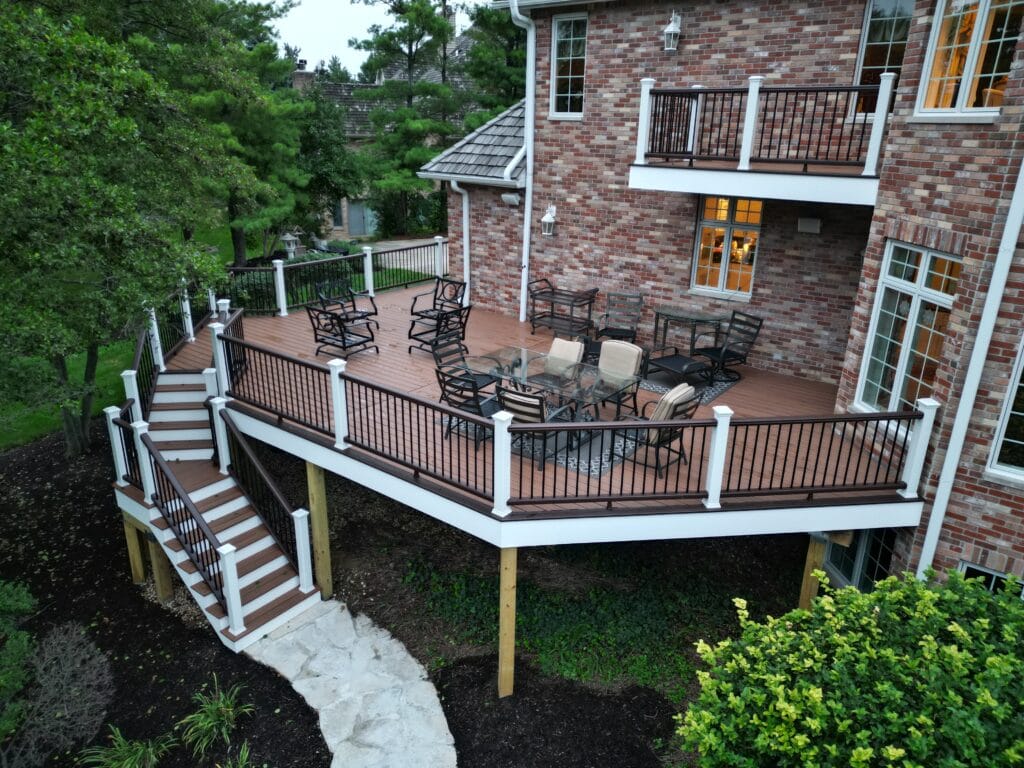
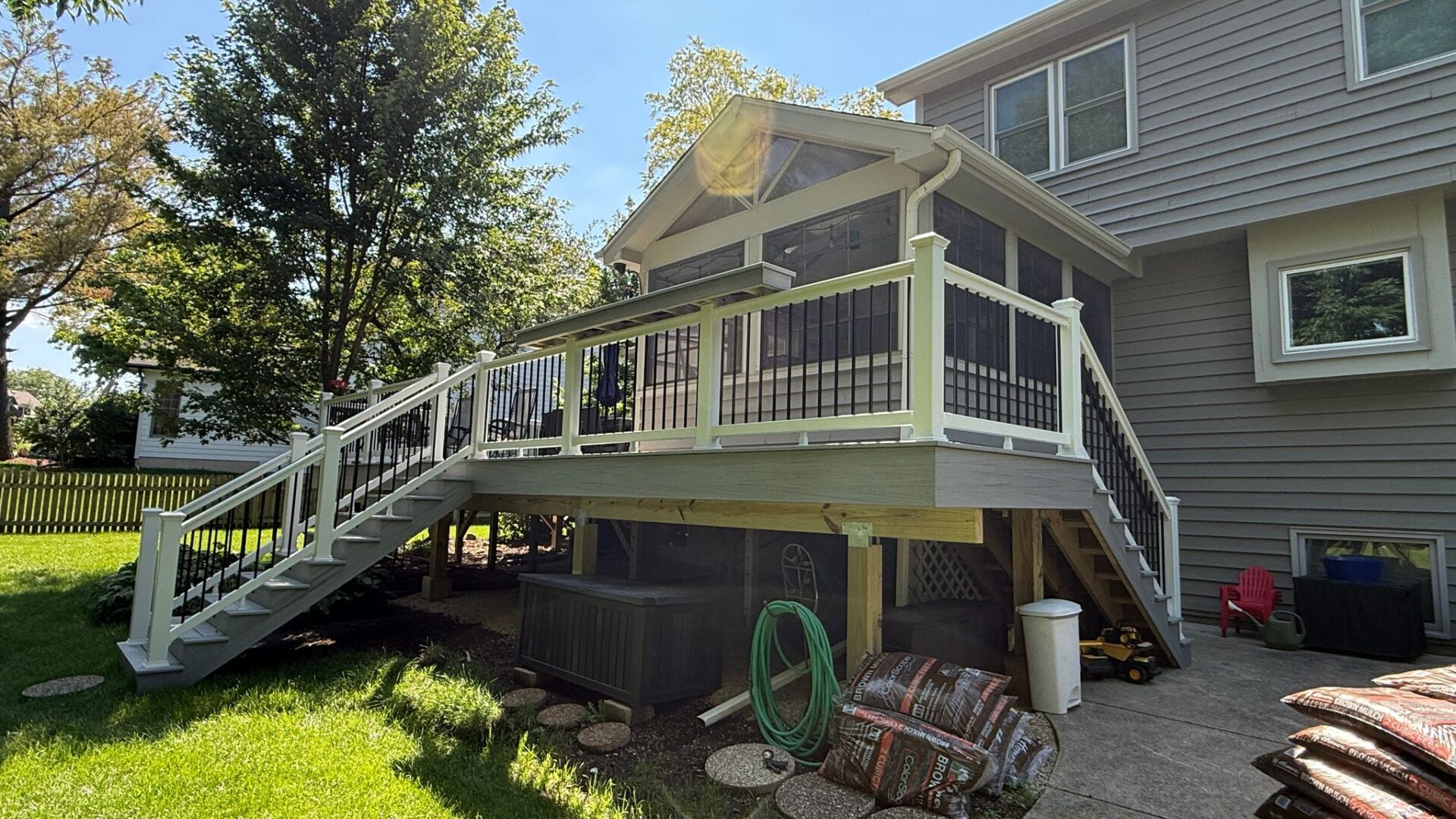
Choosing helical foundation piers ensures long-term stability for your raised deck or home’s structural foundation. They provide immediate, reliable support during installation. They also help prevent future foundation damage. This makes them a smart and affordable choice for foundation repair.
At Warner’s Decking, we install professional helical pier systems and recommend them as our preferred foundation solution for long-lasting deck stability. Our experienced team ensures every installation meets structural requirements and provides homeowners with reliable, cost-effective, and lasting results.
Frequently Asked Questions
How much do helical piers cost?
Exact pricing depends on your project & region, but you can typically expect:
Standard 12′ x 16′ deck (6–8 piers): $2,500–$6,500
Larger 16′ x 20′ deck (8–10 piers): $3,200–$10,500+
How deep do helical piers go?
Installers typically drive piers 5 to 7 feet deep to reach stable soil below the frost line. Depth depends on soil type, structure weight, and local building codes.
How many helical piers do I need?
The number of piers depends on your structure’s weight, size, and soil conditions. Most decks require 4-8 piers per section, while larger structures may need more.
How long do helical piers last?
Galvanized steel piers can last 50+ years, sometimes a lifetime, when properly installed in stable soil conditions.