Deck Replacement in Chicago: When Is It Time & What Does It Cost?
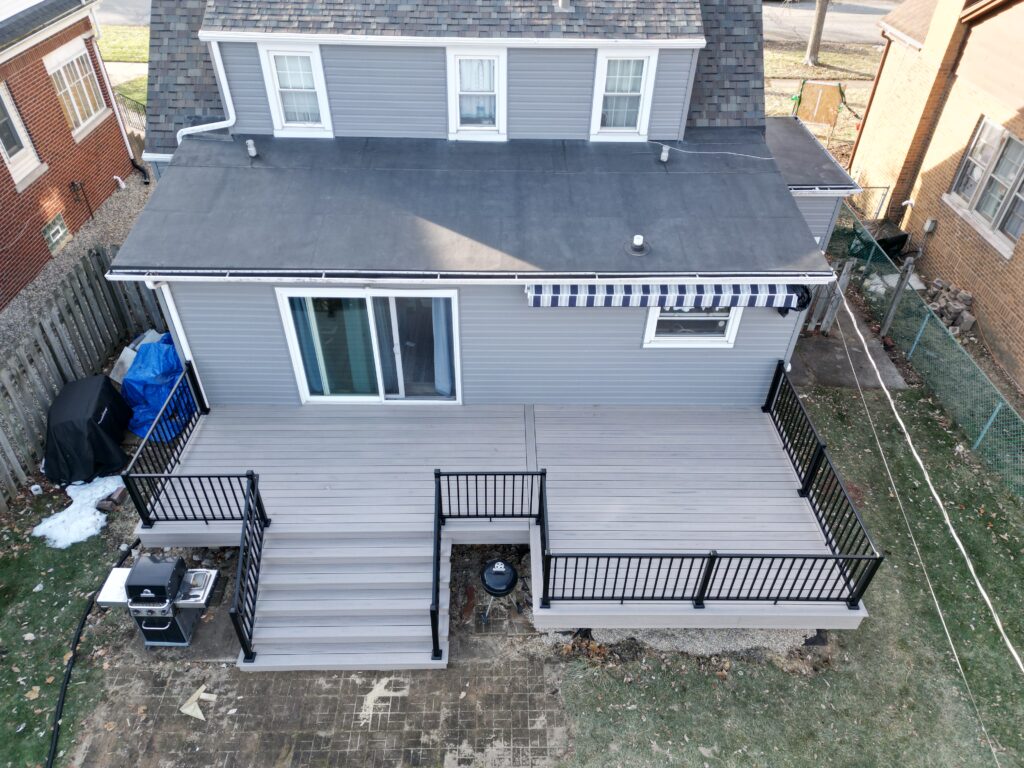
Your deck takes a beating every year from the brutal Chicago winters, summer heat, rain, and years of foot traffic. Over time, simple repairs, staining, or board replacements stop being enough. Knowing when it’s time for a deck replacement can save you thousands of dollars and prevent serious safety hazards.
5 Signs It’s Time to Replace Your Old Deck
Not every creak or worn board means your deck needs replacement. Some problems go deeper than the surface, and ignoring them puts your family at risk.
Soft, Spongy, or Rotting Wood

Press your foot or a screwdriver into the deck boards and joists. If the wood feels soft, or crumbles, that’s rot and it spreads quickly. Once rot reaches the ledger board or substructure, you need a full tear-down.
Example: A deck board that seems fine on top may hide rot underneath. Walking on it could cause sudden cracking or sagging.
Wobbly Posts or an Unstable / Rotted Ledger Board
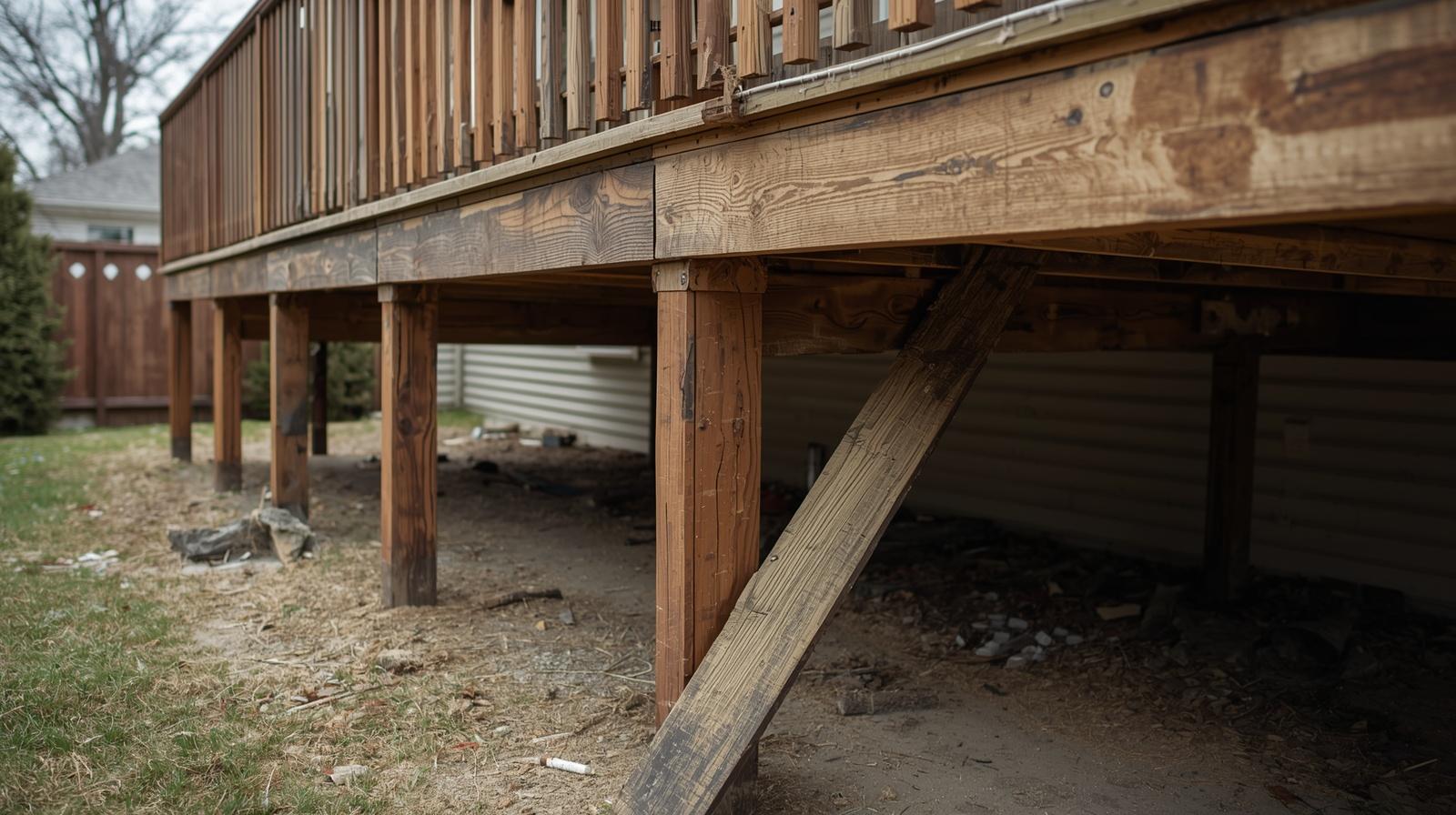
The ledger board connects your deck to your house. If it’s pulling away, shifting, or showing water damage, your deck is no longer structurally sound. A rotted or wobbly ledger is one of the leading causes of deck collapses.
Widespread Cracking, Splintering, or Warping

One or two cracked boards might seem harmless, but if large sections of your deck is warped, splintered, or splitting, the damage is more than cosmetic. These boards can become tripping hazards and weaken the overall structure. Warping usually happens when boards absorb moisture, then dry out unevenly over time. Cracking often signals that the wood is brittle and breaking down.
Rust, Corrosion, or Failing Fasteners
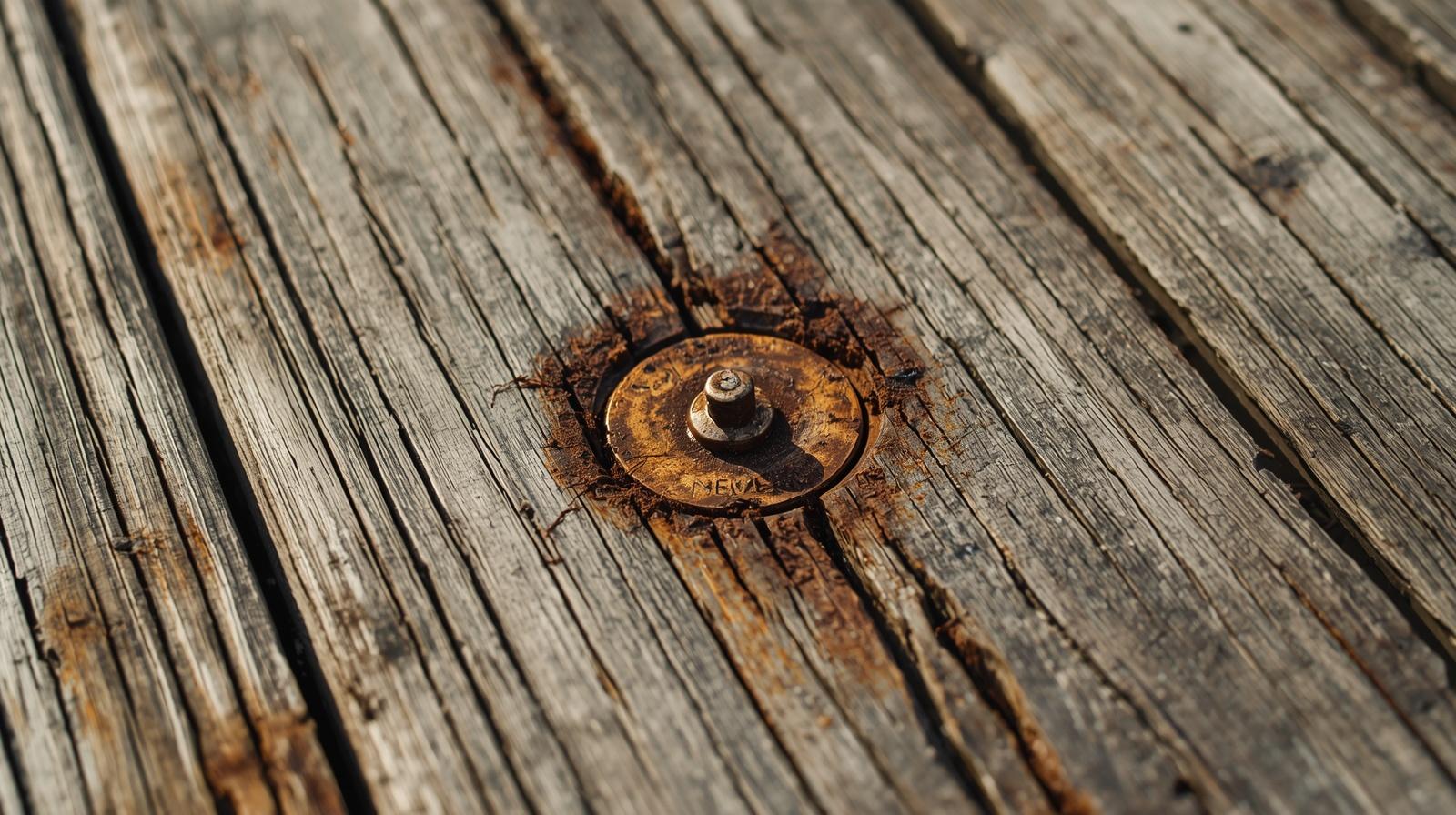
Rusted screws, corroded joist hangers, and failing hardware weaken the connections holding your deck together. If fasteners are failing in multiple spots, moisture has already messed with the whole deck, not just a few boards.
The Deck Is More Than 15-20 Years
Age alone isn’t a reason to replace a deck, but older decks tend to need more frequent repairs that can add costs over time.
Best Materials for Deck Replacement
Composite Decking – The Long-Term Winner
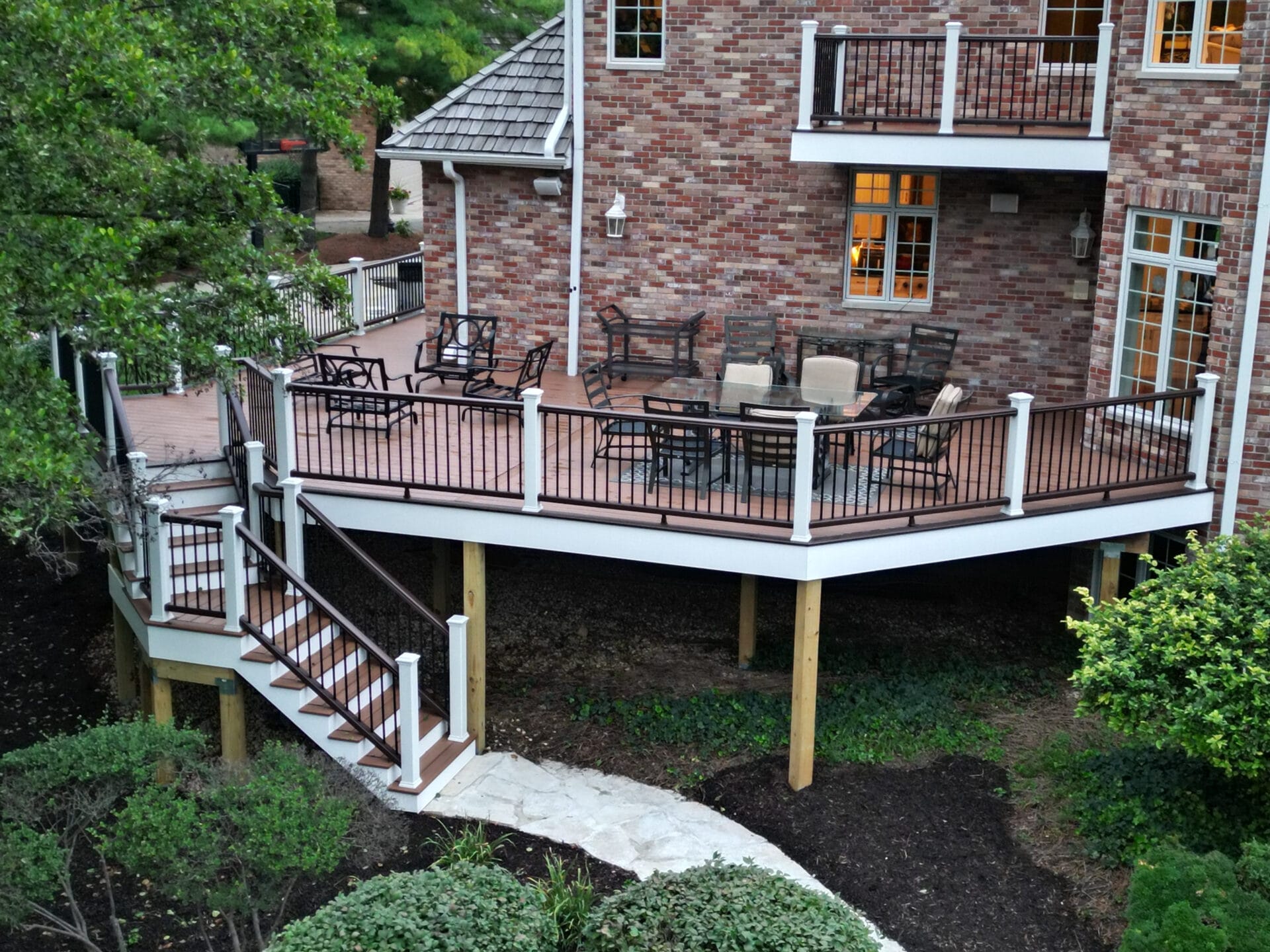
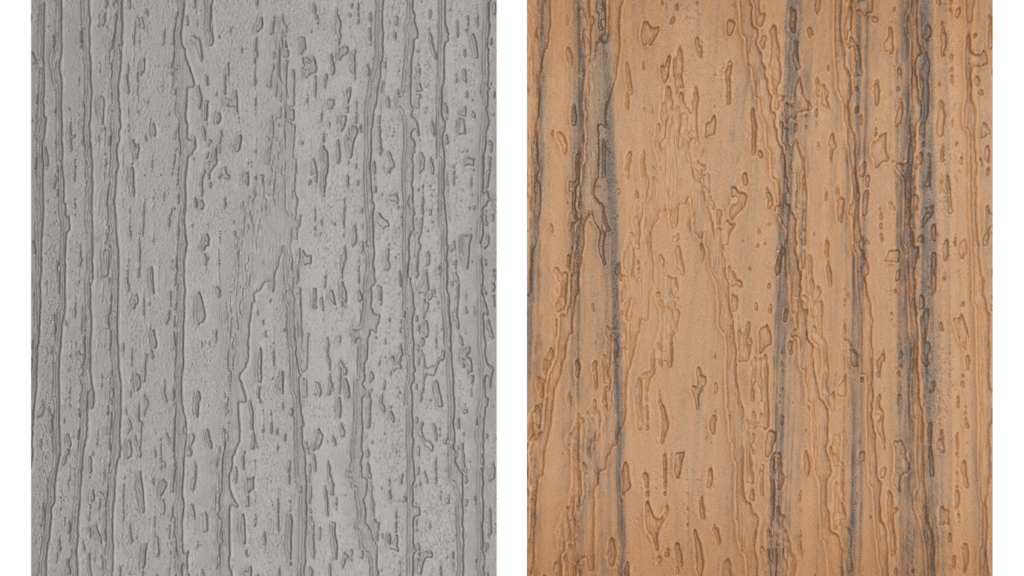
Composite decking has replaced pressure-treated wood as the preferred choice for Chicagoland homeowners. Made from wood fiber and recycled plastic, composite boards handle Illinois’s freeze-thaw cycles without warping, cracking, or rotting.
Why composite decking stands out:
Low maintenance – soap, water, and a soft brush is all it takes to maintain it
25-50 year lifespan vs. 10-15 years for wood decking
Fade and stain resistant – no annual staining or sealing required
No splinters, rot, or warping – holds up through harsh winters
Eco-friendly – made from 95% recycled materials
| Product Line | Best For | Warranty |
|---|---|---|
| Trex Signature® | Luxury design, most realistic wood look | 50-year fade & stain |
| Trex Transcend® | Premium performance and durability | 50-year fade & stain |
| Trex Select® | Mid-range value | 35-year fade & stain |
| Trex Enhance® | Budget-friendly composite decking | 25-year fade & stain |
Pressure-Treated Wood – Lower Cost, More Maintenance
Pressure-treated lumber costs less upfront. It requires staining and sealing every year. It can warp and usually lasts 10-15 years.
PVC Decking – Premium Performance
PVC decking is made from 100% plastic, making it completely moisture-resistant and virtually maintenance-free. It holds up exceptionally well in harsh weather conditions, making it a popular choice for homeowners.
How Much Does Deck Replacement Cost in Illinois?
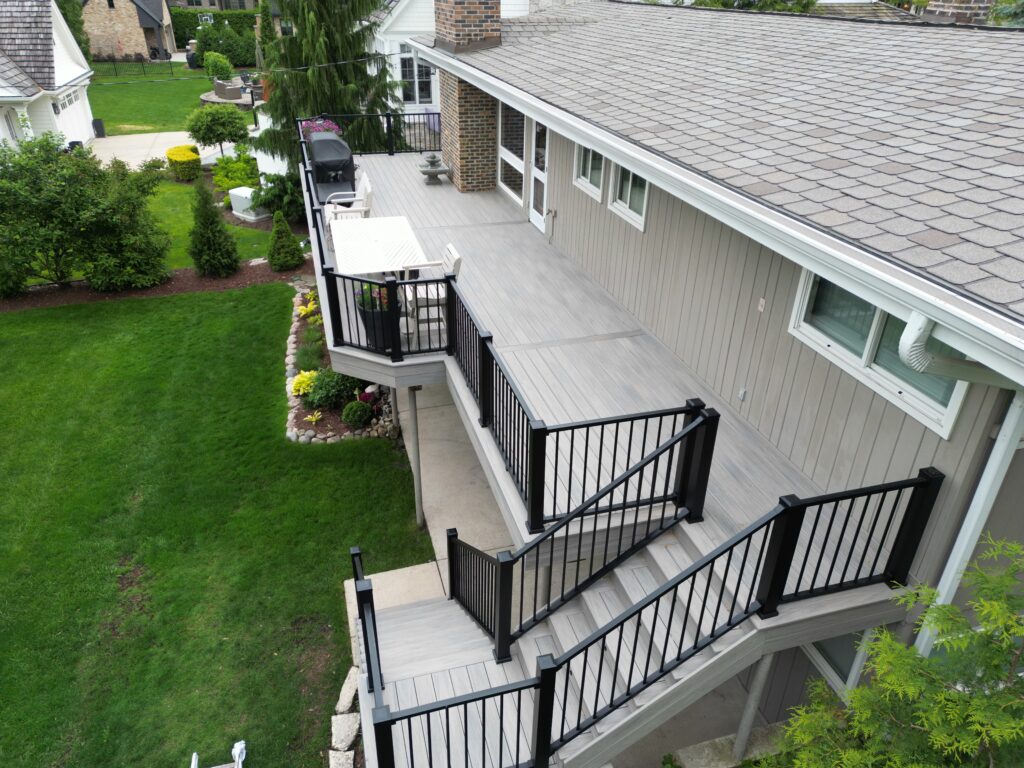
The biggest cost drivers are the size of your deck, how many steps it includes, and the product line the homeowners choose.
Average Deck Replacement Cost by Size
| Deck Size | Pressure-Treated Wood | Trex Composite |
|---|---|---|
| Small (10×12, 120 sq ft) | $9,000 – $10,000 | $12,000-$13,200 |
| Medium (12×16, 192 sq ft) | $14,400 – $16,000 | $19,200-$21,000 |
| Large (16×20, 320 sq ft) | $24,000 – $27,500 | $32,000-$35,000 |
| Extra Large (20×24, 480 sq ft) | $36,000+ | $48,000+ |
Factors That Increase or Reduce Cost
Increase cost: size, steps, and the product chosen drive the pricing factor up the most.
Reduce cost: simple shape, minimal substructure, standard railing, ground-level deck.
Is Your Deck Worth Saving or Replacing?
When Repair Makes Sense
- Isolated soft or cracked boards on a structurally sound deck
- Loose fasteners, no structural issues
- Deck under 8 years old with minor damage
When Replacement Is Necessary
- Rot or damage has reached structural framing
- Multiple simultaneous problems
- Deck 15+ years old with widespread wear
- Repair costs exceed 50% of full replacement
What About Resurfacing?
Resurfacing is only viable if the substructure is sound. Putting a 25-50 year composite product on a failing frame just wastes your investment.
Deck Replacement Process
Site Assessment
A thorough evaluation of your yard and existing structure ensures the design is built around your specific space and conditions.
Design & Material Selection
Start by defining your vision, decking material, color, railing style, and features like stairs, built-in benches, and lighting.
Permits
Your deck builder handles all necessary permits and ensures the project meets local building codes before breaking ground.
Demo & Site Prep
Old materials are completely removed and your site is prepped and ready for a clean build.
Substructure & Foundation
Posts, beams, joists, and footings are installed to code. The backbone of a deck that lasts.
Decking & Railing Installation
Materials are installed with precision. Clean lines, proper fastening, and everything secured to meet code.
Final Inspection & Walkthrough
A full walkthrough covers the finished build, maintenance tips, and what to expect from your local inspection.
DIY Or Hire a Professional Deck Builder?
DIY deck builds go wrong more often than people expect and the mistakes aren’t always obvious until something fails. Undersized joists, an improperly attached ledger, missed permits, or ignored load requirements are some of the most common issues we see when homeowners call us to fix someone else’s work. Beyond the safety risks, a deck built outside of code can void your Trex warranty entirely and create problems when you go to sell your home.
Frequently Asked Questions
When is deck resurfacing viable?
Resurfacing only works on a solid substructure. Otherwise, full replacement prevents future problems and protects your warranty. Upgrading to composite decking gives a 25-50 year lifespan, helping you get the most from your investment
How do I know if my deck is beyond repair?
If your deck has widespread wood rot, unstable railings, or multiple warped and cracked boards, it’s likely no longer safe. Minor damage in one area may be repairable, but when issues are found across the entire structure, repairs tend to be temporary. A full replacement ensures safety, stability, and peace of mind.
Can I replace just the boards instead of the whole deck?
You can replace individual boards if the framing underneath is solid and up to code. However, if the deck frame is more than 15 years old or shows signs of damage such as rusted fasteners, loose connections, or shifting footings—replacing only the surface boards will not fix the underlying problems.
How long does a new deck last?
The lifespan of a deck depends on the materials and quality of construction. A traditional wood deck typically lasts 15 to 20 years with regular maintenance. Composite decks, like Trex, often last 25 to 50 years and require far less upkeep. Choosing high-quality materials and a skilled builder will maximize durability.
What’s the best time of year to replace a deck in Chicagoland?
Spring through early fall is ideal for deck replacement, as weather conditions are more favorable for construction. However, reputable contractors like Warner’s Decking can work year-round, depending on the scope of your project and weather safety conditions.
Will a new deck increase my home’s value?
Yes, a new deck can increase your home’s value, adds usable outdoor space, and makes your home more attractive to buyers. According to remodeling industry data, a new deck can return 30 percent or more of its cost in resale value, especially if it’s made from low-maintenance materials.