What Does Louvered Mean? [Definition + Guide]
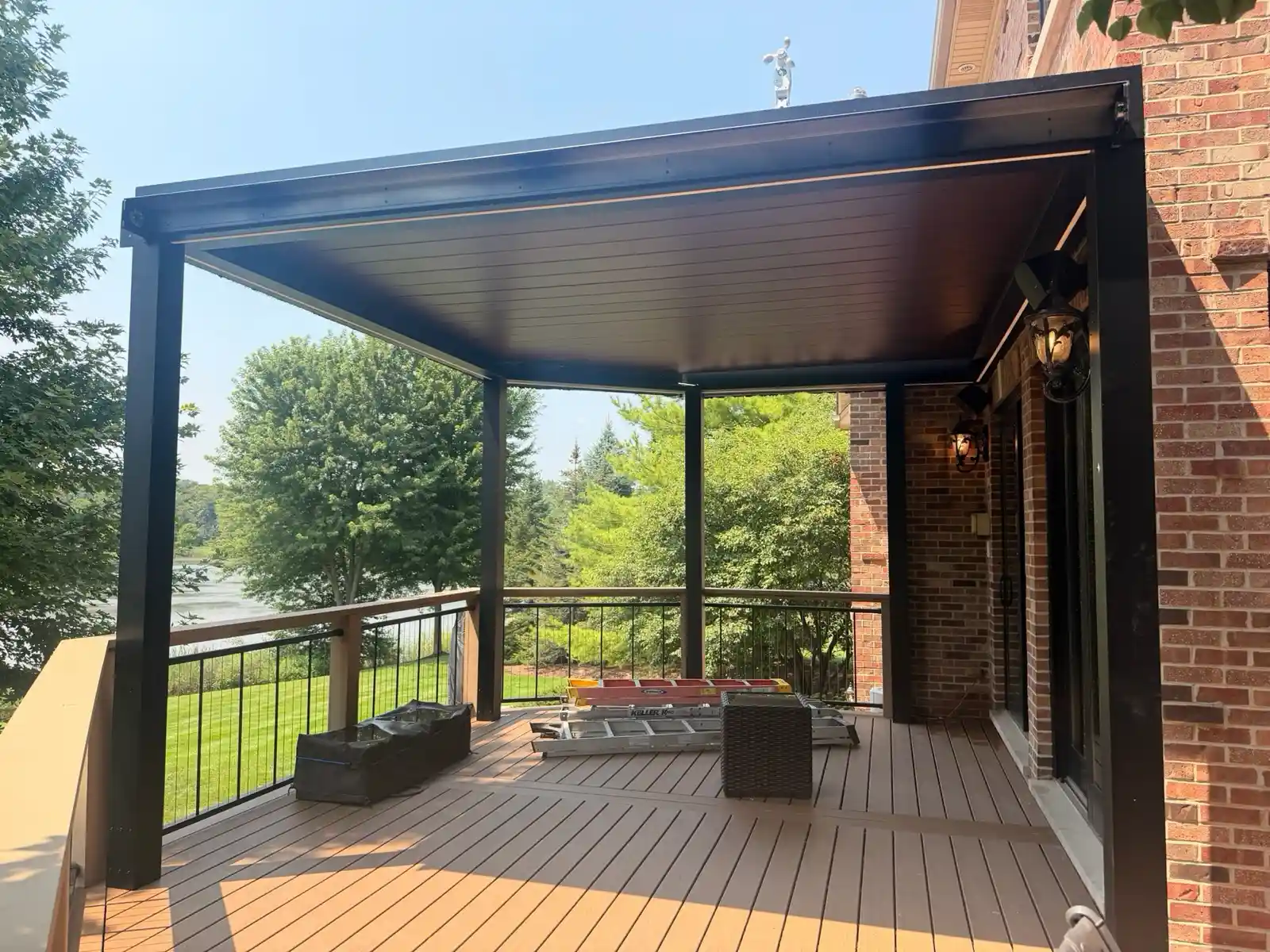
Louvered (pronounced LOO-verd) describes a design made of angled slats, called louvers, that control airflow, light, and sometimes water. The slats let air and sunlight pass through while providing shade, privacy, and protection from outdoor elements.
Architects have used louvers for centuries to ventilate buildings while keeping out rain, snow, and debris. People use modern louvers in pergolas, roofs, windows, shutters, and ventilation openings. Engineers build them from durable materials like aluminum or steel, often making them adjustable or motorized to improve comfort, energy efficiency, and usability.
Features: Adjustable Louvers vs. Fixed
You can rotate adjustable louvers to different angles, allowing you to control light and airflow based on current conditions. Many modern systems include motorized controls for easy adjustment via remote or smart home integration.
Fixed louvers, by contrast, stay in one position and block sun or direct airflow consistently. People often use these where they need constant shading or ventilation.
Common Types and Applications of Louvers
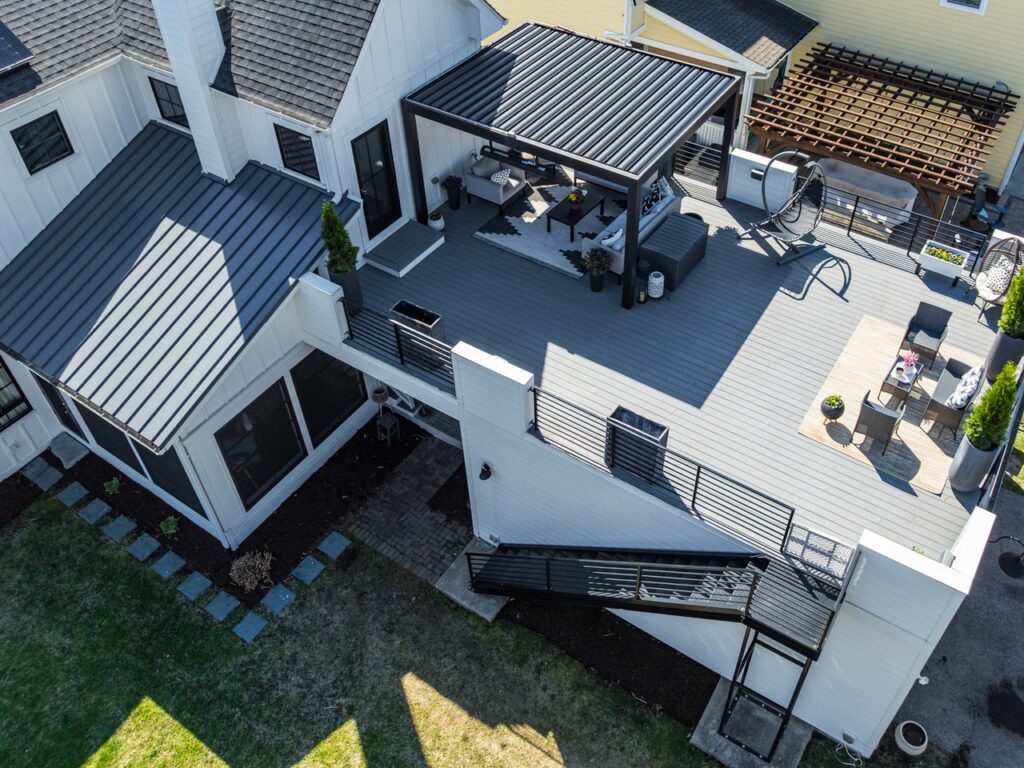
Outdoor Living: Louvered Pergolas & Patio Covers
In Chicagoland and throughout the Midwest, louvered pergolas have become increasingly popular for extending outdoor living seasons. A louvered pergola or patio cover lets homeowners adjust to changing weather. Open the louvers on pleasant evenings or close them during rain or intense sun.
Benefits for Outdoor Spaces:
- Year-round usability: Enjoy your patio in spring rain or summer heat
- Flexible entertaining: Adjust conditions for guests in real-time
- Home value: Premium outdoor structures increase property appeal
- Energy savings: Reduce indoor cooling needs by creating shaded areas
Modern systems can include features like LED lighting, heaters, sound systems, and privacy screens. Remote controls and smart home integration make adjusting them effortless. Some homeowners even add retractable screens or glass panels to create three-season rooms.
Popular Applications:
- Deck covers for elevated outdoor living space
- Patio pergolas over seating and dining areas
- Poolside structures for shade and privacy
- Outdoor kitchens with weather protection
Architectural Applications: Louvered Windows, Shutters & Doors
Window louvers and shutters improve airflow while maintaining privacy. They also reduce glare and limit direct sunlight.
These designs are common in both traditional and modern architecture. Exterior shutters make your home look better and keep it safe from storms. Interior plantation shutters let you control light without blocking views entirely.
Mechanical: HVAC & Ventilation Systems
Louvers protect equipment and let fresh air move freely in commercial spaces. HVAC systems use them to regulate intake and exhaust. Parking garages rely on them for natural ventilation.
Why Use Louvered Systems? (Key Benefits)
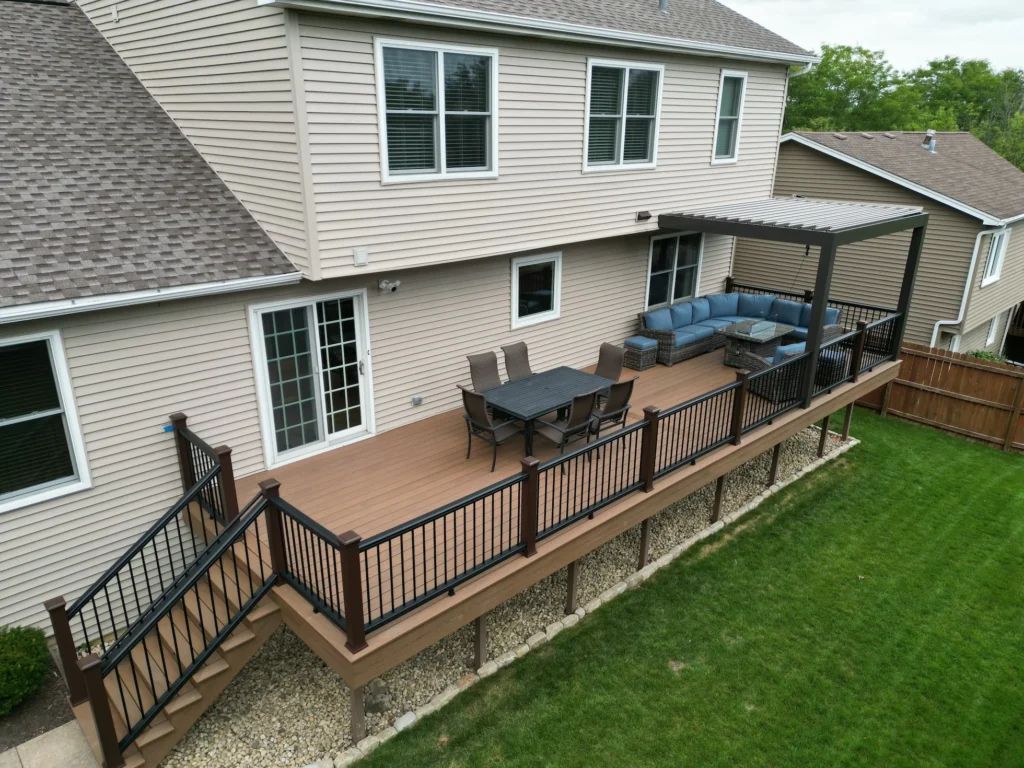
Temperature Control (Ventilation + Shade)
These systems let air move freely while blocking excessive sunlight, supporting passive cooling and improved comfort. This can help save energy in homes and commercial spaces.
Weather Protection & Durability
Many manufacturers make modern systems from aluminum or steel. These materials resist moisture, wind, and sun for a long time.
Aluminum resists rust, making it ideal for long-lasting outdoor use. It works well even in coastal areas. Steel provides extra strength, making it ideal for areas with strong winds.
Privacy Without Sacrificing Airflow
Unlike solid walls or panels, angled slats provide privacy. They still allow ventilation. The slats block direct sightlines from neighboring properties.
Air flows freely through the gaps at the same time. This makes them ideal for patios, windows, and shared outdoor areas.
Choosing the Right Louvered System
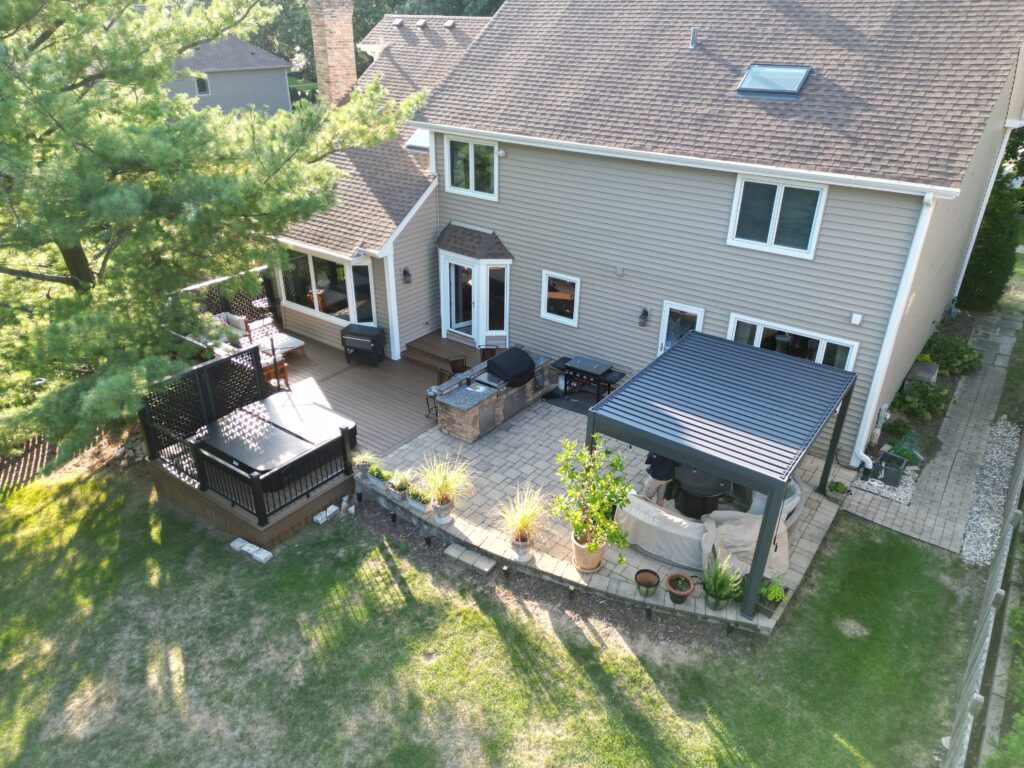
Selecting the right option depends on budget, material, location, and intended use. Every situation is unique, and our outdoor living experts can assess your space to provide tailored, accurate recommendations.
Materials Comparison (Aluminum, Wood, Steel, Composite)
Aluminum: Lightweight, corrosion-resistant, and low maintenance. This material is popular for outdoor use. Powder coating protects the finish and offers many color options.
Wood: Natural appearance, but requires regular upkeep. Cedar and teak resist rot naturally and suit traditional architecture well. Plan on sealing or refinishing every few years.
Steel: Highly durable and strong, often used in commercial projects. Best for large installations or areas with high winds. Heavier and pricier than aluminum.
Composite: Combines durability with a finished look, these materials resist weather better than wood.
Residential vs. Commercial Applications
Residential designs usually focus on comfort, appearance, and adjustability. Most projects involve patio covers, pergolas, or window treatments.
Commercial systems focus on scale, strength, and long-term reliability. Restaurants use them to extend outdoor dining seasons. Office buildings install them to reduce cooling costs.
Ready to Add a Louvered System to Your Deck or Patio?

At Warner’s Decking, we specialize in designing and installing custom louvered pergolas and patio covers throughout Chicagoland. Our team can help you choose the right materials and features for your space. Contact us today for a free consultation and quote.
Frequently Asked Questions About Louvers
What’s the difference between a louver and a slat?
A slat is one individual blade. A louver refers to the complete system made up of multiple slats working together. In everyday conversation, people use both terms interchangeably.
Are louvered roofs waterproof?
When fully closed, most adjustable roof systems shed water well. They include built-in drainage channels. The key is interlocking blade design with proper seals. Quality varies between manufacturers. Always verify waterproof ratings before purchasing.
Can louvers be motorized?
Yes. Modern louvers often come with motorized controls, remote options, or smart-home integration. Some advanced systems include weather sensors. They can automatically adjust to wind or intense sunlight.
How much maintenance do louvered systems need?
Maintenance varies by material. Aluminum systems need minimal care. Occasional cleaning with soap and water keeps them looking good. Wood may need periodic sealing or refinishing. Plan to maintain your system every 2 to 4 years. These systems are easier to take care of than awnings or regular roofs.