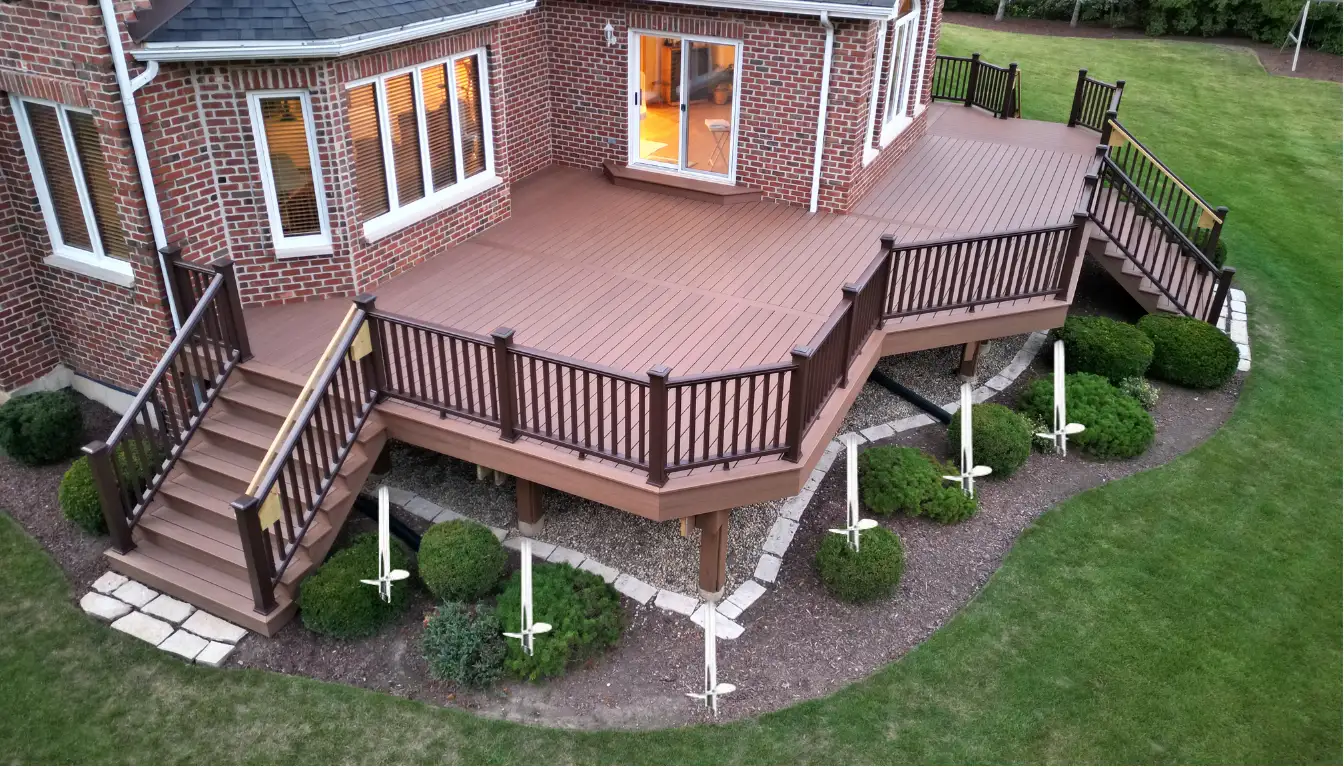
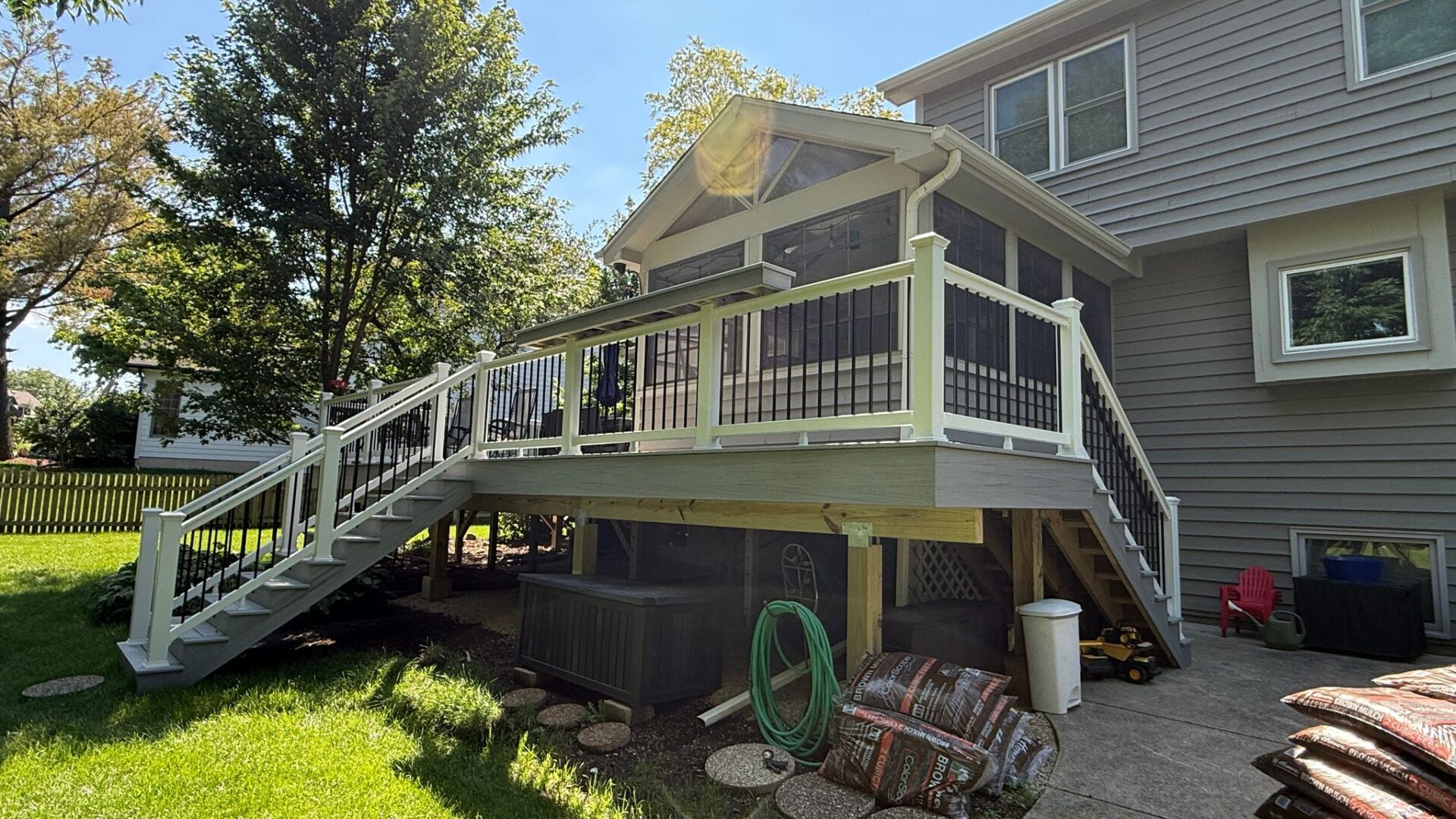
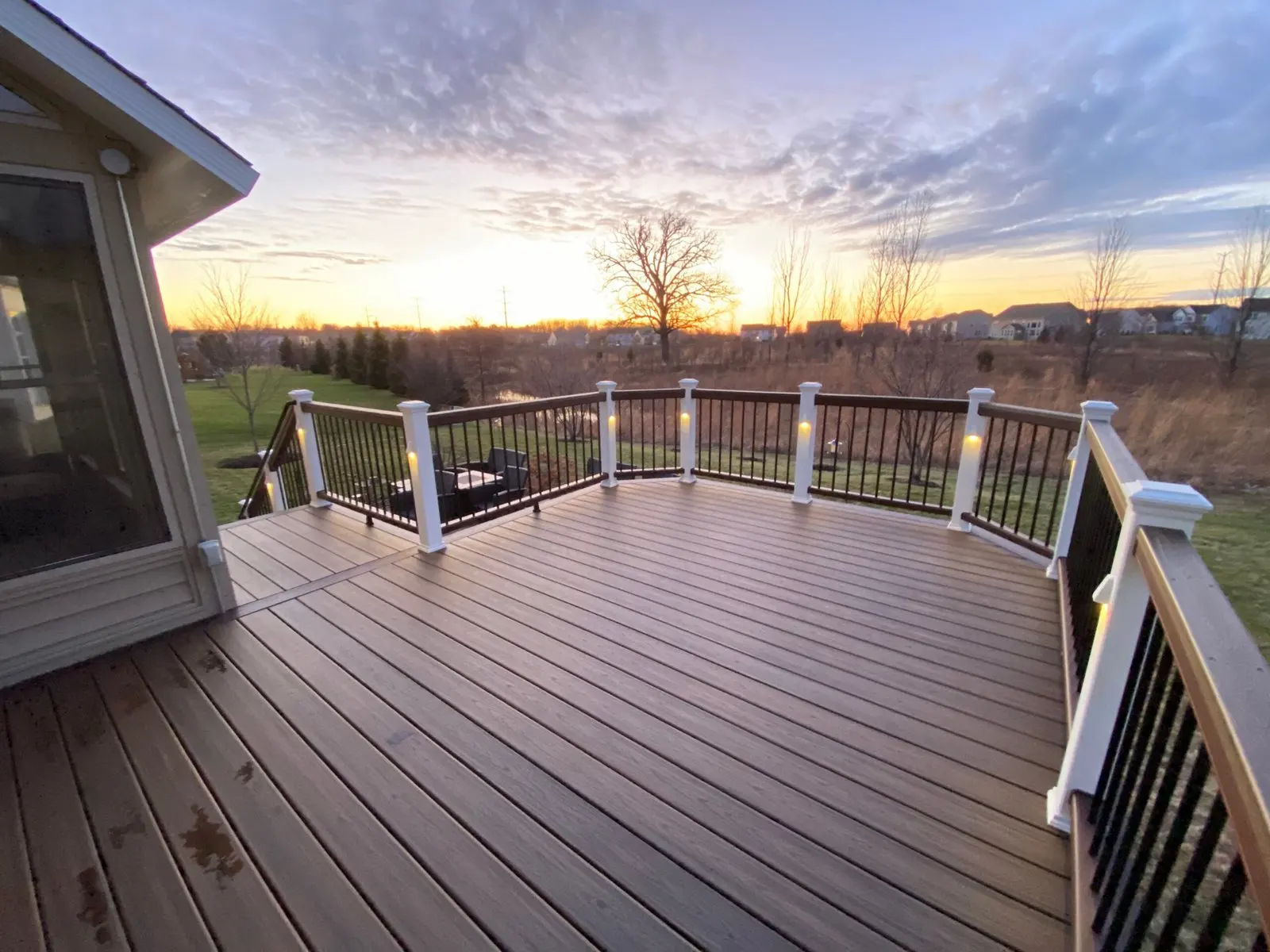
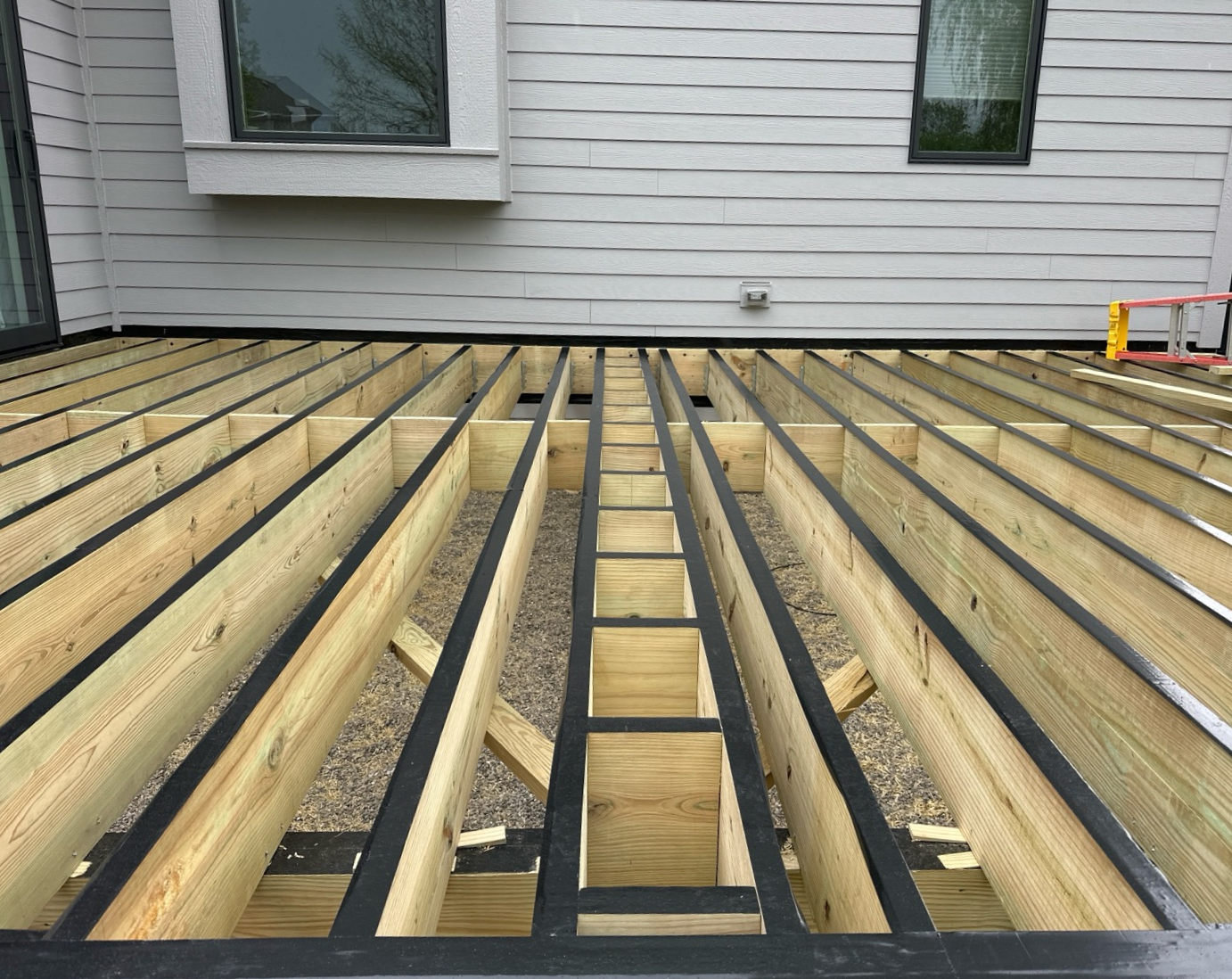
Composite Decking Compared to PVC Decking
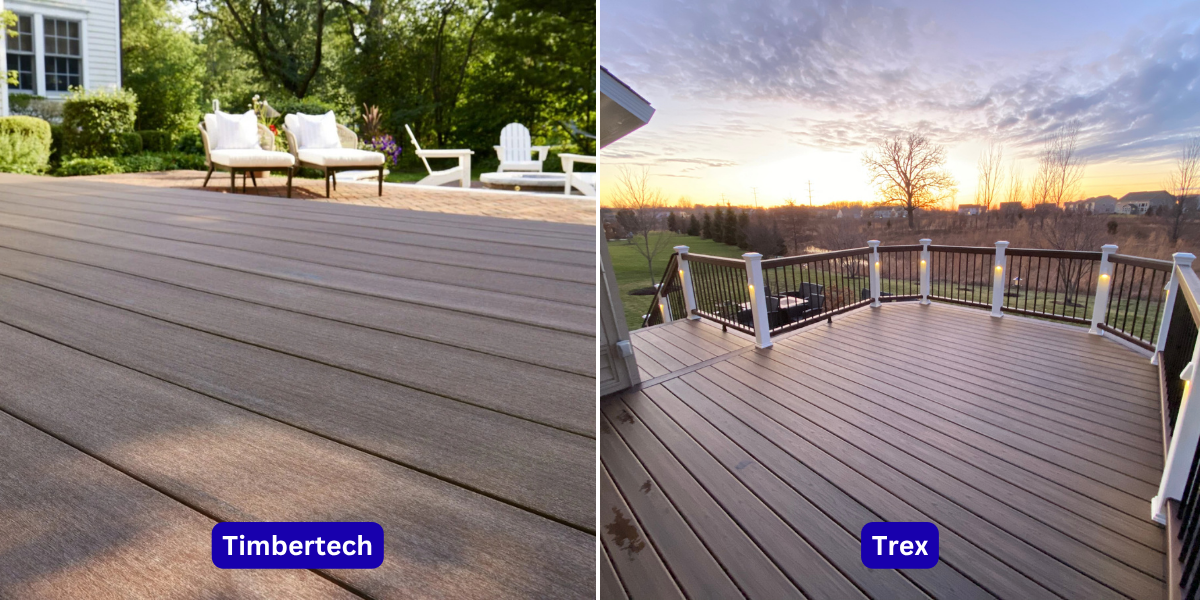
When upgrading your outdoor space, choosing the right material is a major decision. Modern decking offers a long-term solution as it does not warp, rot, splinter and it’s low maintenance.
The two main choices for a low-maintenance deck are wood-plastic composites and advanced cellular PVC. While they look similar on a showroom floor, they use different ingredients. This guide compares composite decking and cellular PVC decking to show how each material performs over the long term.
Core Composition
How Composite Decking Is Made
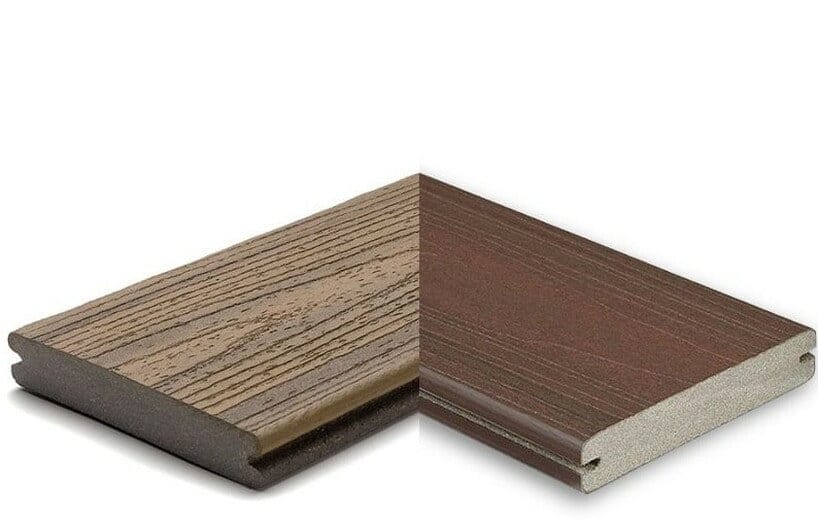
Composite decking materials use a blend of recycled wood fibers and synthetic plastics. Industry leaders like Trex utilize up to 95% recycled content. This mix includes reclaimed sawdust and plastic film from grocery bags.
Manufacturers melt and squeeze the ingredients into dense boards. The manufacturing steps for this decking include wrapping the core in a heavy-duty plastic cap on the top and sides. The wood fibers give the board its heavy weight, while the outer shell keeps the weather out.
How Cellular PVC Decking Is Made
Cellular PVC decking contains zero organic wood fibers. Made from 100% synthetic polymers. Manufacturers chemically foam the plastic to create millions of tiny, closed air cells inside the core.
This process makes PVC boards much lighter than composite and they stay incredibly strong. Manufacturers wrap the core in an ultra-hard synthetic cap layer. This layer completely seals the board away from the elements.
Structural Performance
Moisture Resistance and Mold Performance
Moisture control is where pvc and composite decking differ the most. PVC has a clear advantage because it contains no wood components. It cannot absorb water. This means PVC is completely immune to rot, decay, and mold growth. Highly resilient when installed near pool surrounds or areas with high moisture.
Modern composite decking offers incredible moisture defense because of its protective shell. However, because it has an underlying wood core, it usually features a three-sided cap. Manufacturers leave the bottom open so the core can breathe. Composite structures need good airflow underneath and should not sit directly in dirt.
Expansion and Contraction in Illinois Weather
Living in the Chicago suburbs means your deck must survive extreme weather changes. Our freezing winters and humid summers put constant stress on outdoor materials.
Composite boards expand and contract mostly along their length as temperatures shift. They move predictably, but a professional deck installer must leave exact gaps at the joints. This spacing prevents the boards from buckling during hot summer days.
Cellular PVC moves a bit more than composite during quick temperature spikes. However, since it has no wood content, humidity does not affect it. PVC boards are highly resistant to cupping, twisting, and warping in wet conditions.
Surface Heat in Direct Sunlight
A major question homeowners ask is whether composite or synthetic boards get too hot to walk on. All man-made materials absorb heat in direct sunlight, but color matters a lot. Dark boards heat up faster than light ones. Ultimately, the specific ingredients in the boards determine how efficiently they release that heat.
Cellular PVC acts as a natural insulator because of the tiny air pockets inside its core. It holds less heat and cools down much faster than composite. If your outdoor living space has no shade and you love walking barefoot, premium PVC runs cooler.
Scratch and Impact Resistance
Daily wear and tear can damage a deck surface. This includes sliding heavy furniture, dropped tools, or active dog claws.
Capped composite decking offers some of the toughest outer shells in the industry. It resists deep scratches and scuff marks incredibly well. PVC caps are highly durable, but the softer foamed core can make the boards more susceptible to deep dents from heavy impacts.
Composite vs PVC Comparison Table
| Performance Property | Wood-Plastic Composite | Advanced Cellular PVC |
| Main Ingredients | Recycled Wood Fibers & Polymers | 100% Synthetic Polymer |
| Moisture Absorption | Very Low (Requires ventilation) | Zero (Immune to rot and mold) |
| Scratch Resistance | Exceptional (Ultra-dense outer shell) | High (Slightly softer core) |
| Heat Performance | Holds heat longer in the sun | Stays cooler; sheds heat quickly |
| Ground Clearance | Needs a clear air gap below | Better suited for low-clearance areas |
| Eco-Friendly Rating | High (Made from recycled waste) | Moderate (Uses recycled vinyl) |
Appearance and Design Flexibility
Realistic Wood Grain Patterns
Modern manufacturing has eliminated the shiny, fake plastic look of old synthetic decks. Both composite and pvc decking options now offer beautiful visual styles.
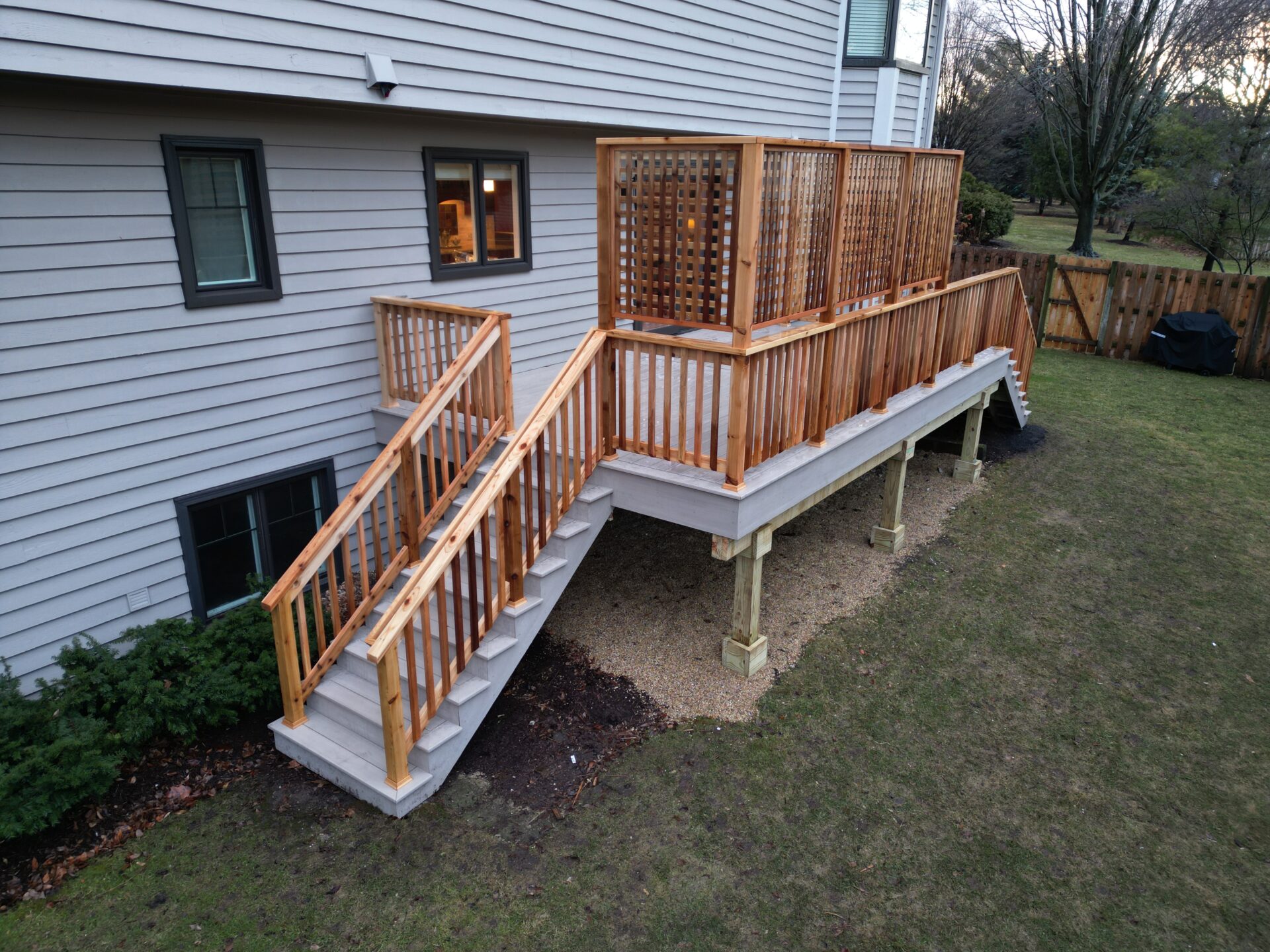
Composite options look like rich, exotic hardwoods. They feature multi-tonal streaking and classic cathedral wood-grain patterns. Many premium PVC products feature low-gloss finishes and realistic grain patterns that closely resemble hardwood flooring.
Color Consistency and Finish Options
Because PVC is highly flexible during manufacturing, top brands offer multi-width boards. A deck installer can mix narrow, standard, and wide planks on a single project.
This allows you to create completely custom patterns. Composite lines are uniform and keep their deep colors for decades without fading. But they usually come in standard widths.
Environmental Considerations
If building a green home is your priority, composite decking is the clear winner. Brands such as Trex divert millions of pounds of plastic and wood scrap from landfills annually. They turn household waste into a weather resistant building product. PVC decking is highly durable, but it relies mostly on new synthetic plastics rather than recycling old consumer trash.
Which Material Performs Better for Illinois Homes?
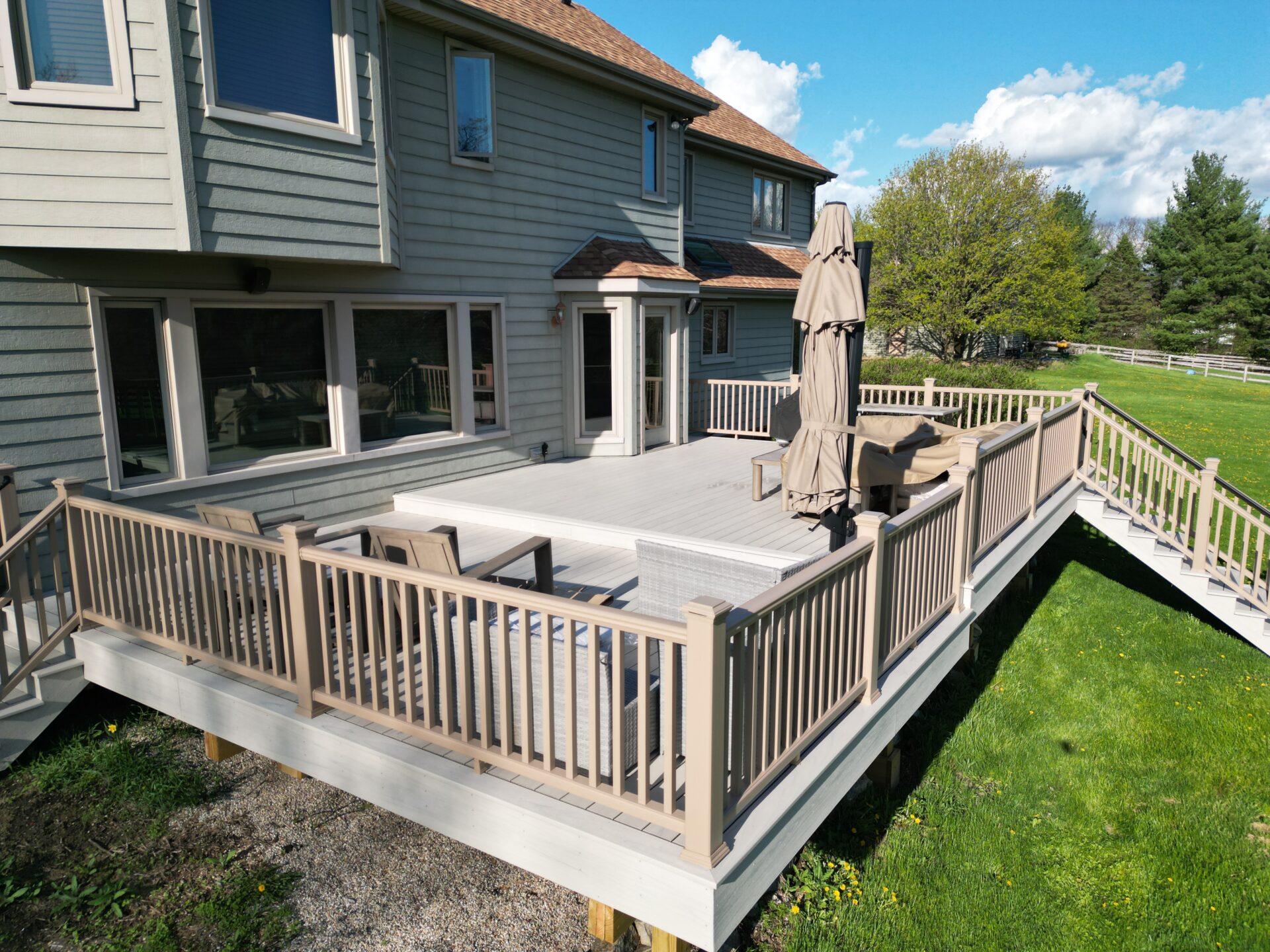
For Chicagoland properties, choosing composite or PVC decking depends on your yard layout and preferences. Homeowners with raised decks often choose composite. It works well if pets walk on it often. Also eco-friendly and resists scratches. If your project sits low to the ground, wraps around a pool, or faces strong afternoon sun, advanced PVC gives top performance.
Frequently Asked Questions
Is PVC decking better than composite decking?
Neither material is universally better; it depends on your layout and preferences. PVC is superior for moisture protection and staying cooler in the sun. Composite performs better against scratches from pets and heavy furniture, while offering a wider range of budget options.
Does PVC decking get hotter than composite?
No. Because cellular PVC core boards feature tiny internal air pockets, they act as natural insulators. PVC decking dissipates heat more quickly. It can stay up to 30 degrees cooler than standard wood-plastic composites in direct sunlight.
Which lasts longer, PVC or composite decking?
Both offer massive lifespans compared to wood. Premium composites carry 25 to 50-year warranties against fading and staining. Cellular PVC options often feature 50-year to lifetime structural warranties because they are fully resistant to moisture damage.
Is Trex composite decking or PVC?
Trex is synonymous with composite decking made from reclaimed wood fibers and plastic, Trex Refuge was introduced as a specialized product engineered specifically for fire resistance and performance in demanding environments
Can PVC decking be installed directly on the ground?
No. Although PVC performs better than composite in wet and ground-contact conditions, it still requires adequate ventilation underneath. Most manufacturers require a minimum clear air gap to prevent heat buildup and protect the structural framing beneath.
Which is more expensive, PVC or composite decking?
100% synthetic polymers make advanced PVC decking more expensive upfront. Composite decking offers a broader pricing structure, with budget-friendly entry lines alongside premium high-end collections.