Deck Size Guide: Choose the Right Size for Home & Budget
Why Your Deck Size Matters More Than You Think
Choosing the right deck size isn’t just about total square footage; it’s about how you intend to live outdoors. After 35+ years of building custom spaces, we’ve seen homeowners regret a sized deck that was “standard” but didn’t fit their life. A deck that is two feet too narrow can turn a luxury area into a cramped hallway. In this guide, we look at the technical and financial factors to help you choose the right deck for your yard.
Understanding Average Deck Sizes and Standard Dimensions
While every home is unique, most projects fall into three categories. Knowing these common sizes makes it much easier to plan your deck design and see what fits your budget.
Small Decks (12×12 to 12×16) – The “Grill & Chill” Zone
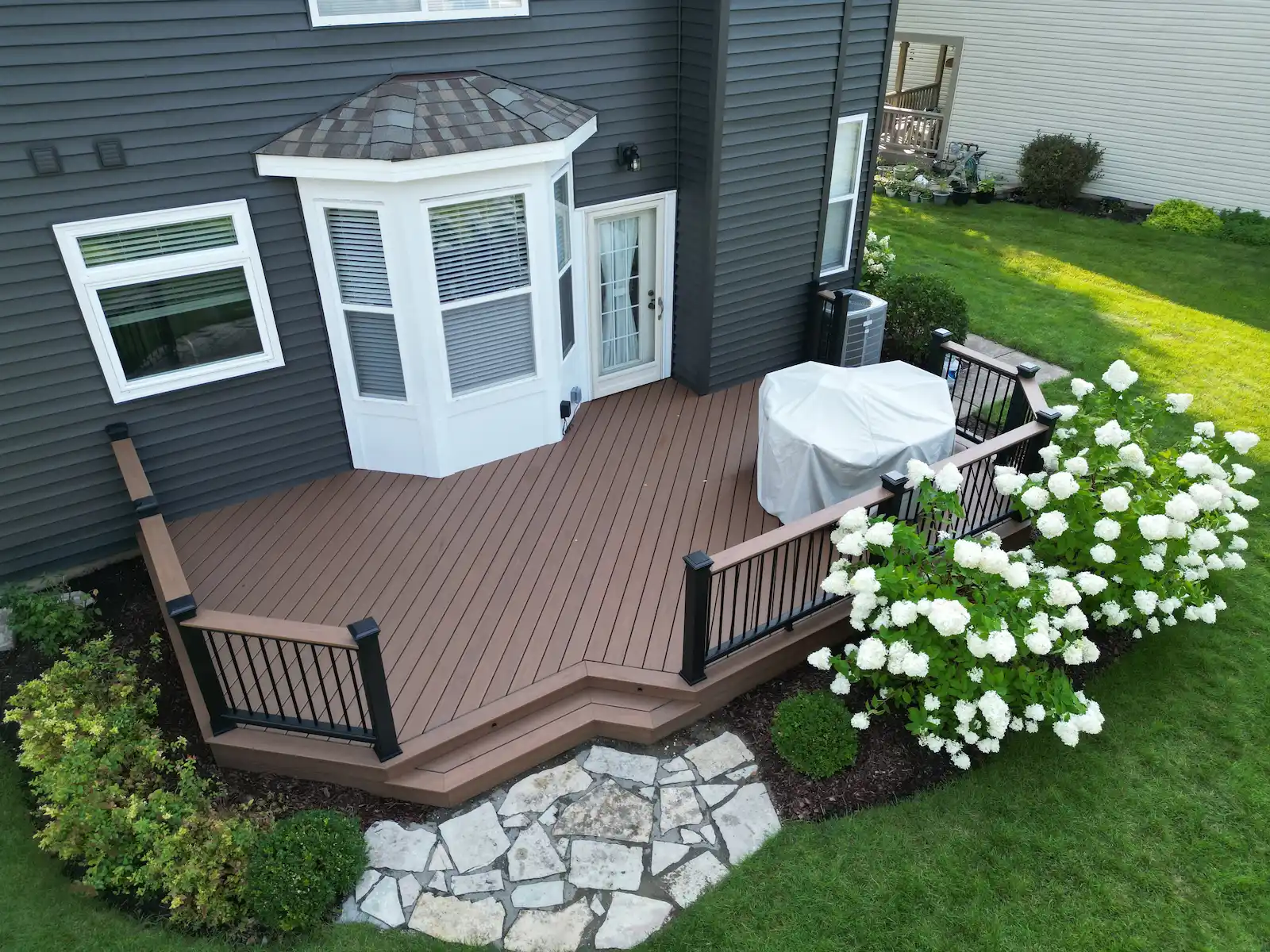
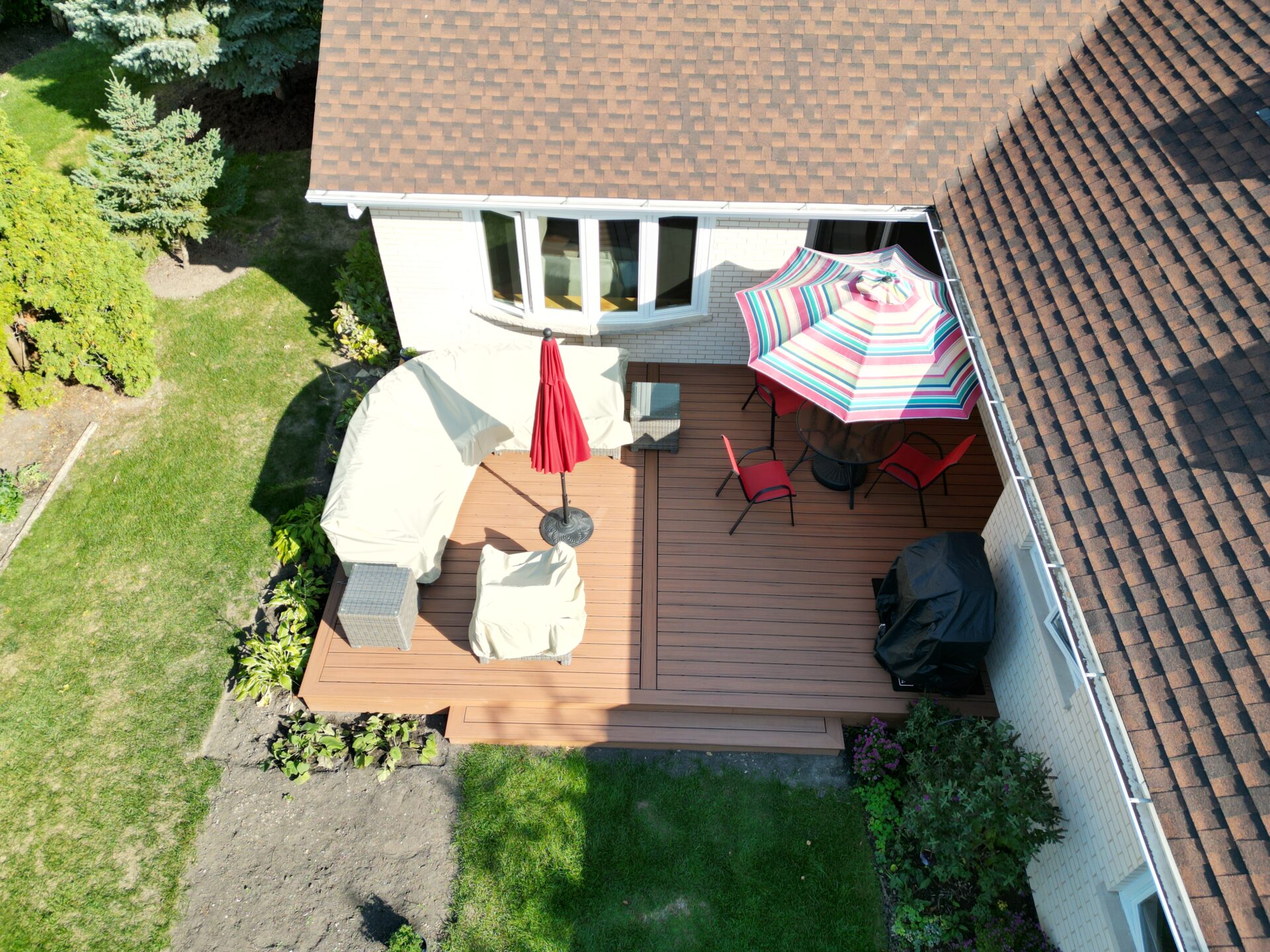
A smaller deck is perfect for bistro seating and a high-quality grill. At roughly 144 to 192 square feet, they provide a cozy retreat without overwhelming a tiny yard.
Medium Decks (16×16 to 16×23) – The Entertainment Sweet Spot
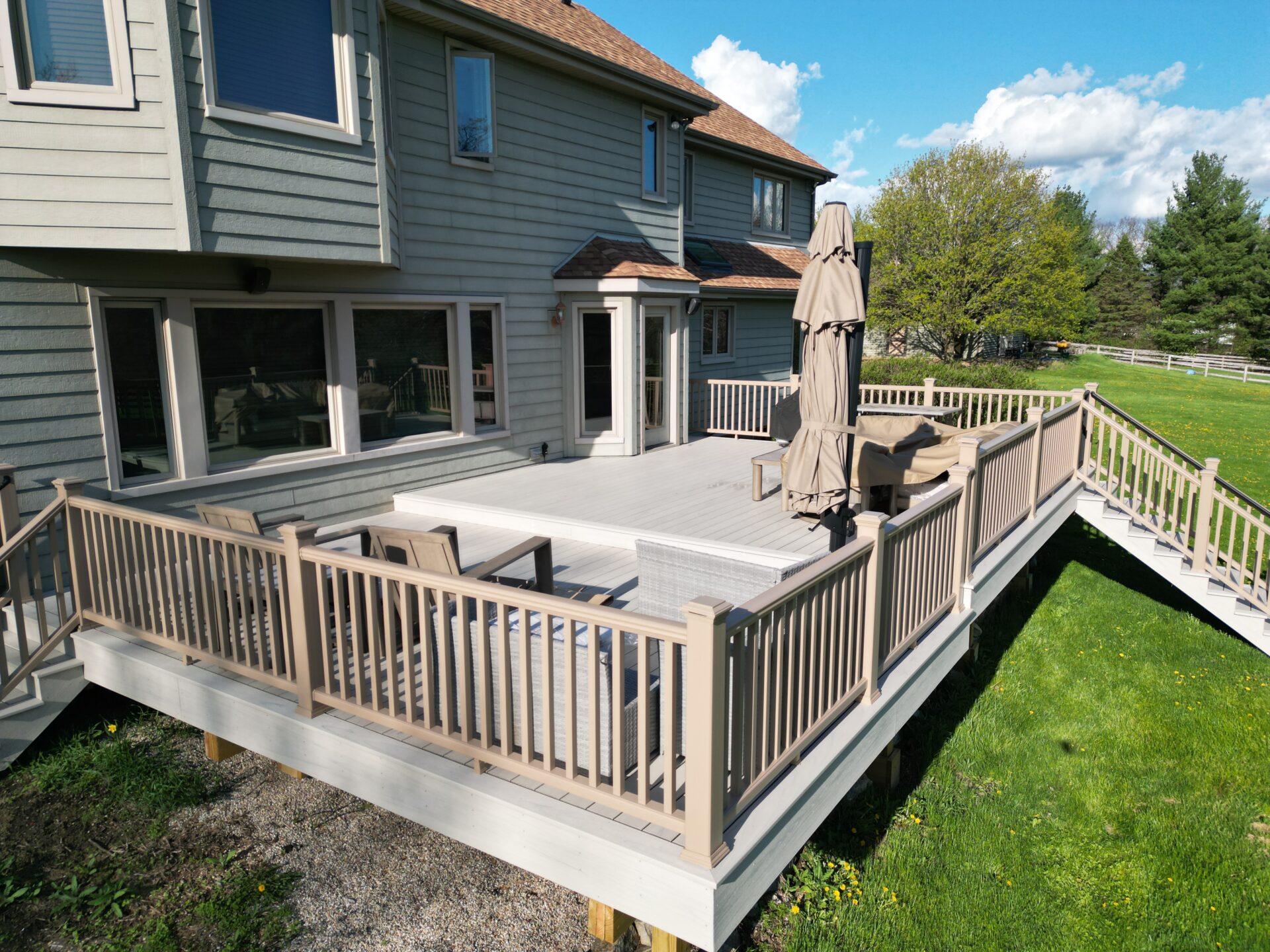
This is the most popular range for suburban homes. A 16×23’ deck size is large enough for a full dining set and a lounging area. It offers the best balance of usability and cost.
Large Decks (20×20 and Above) – Multi-Zone Outdoor Living
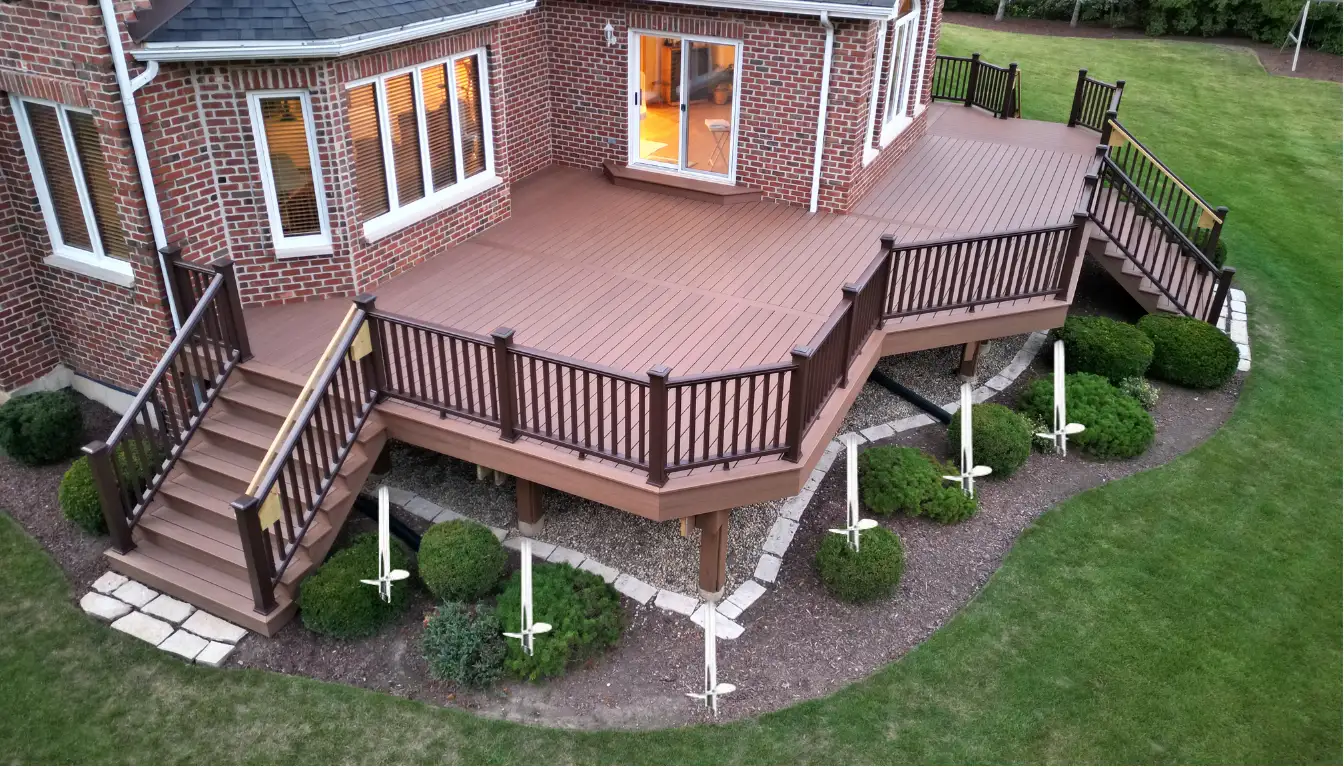
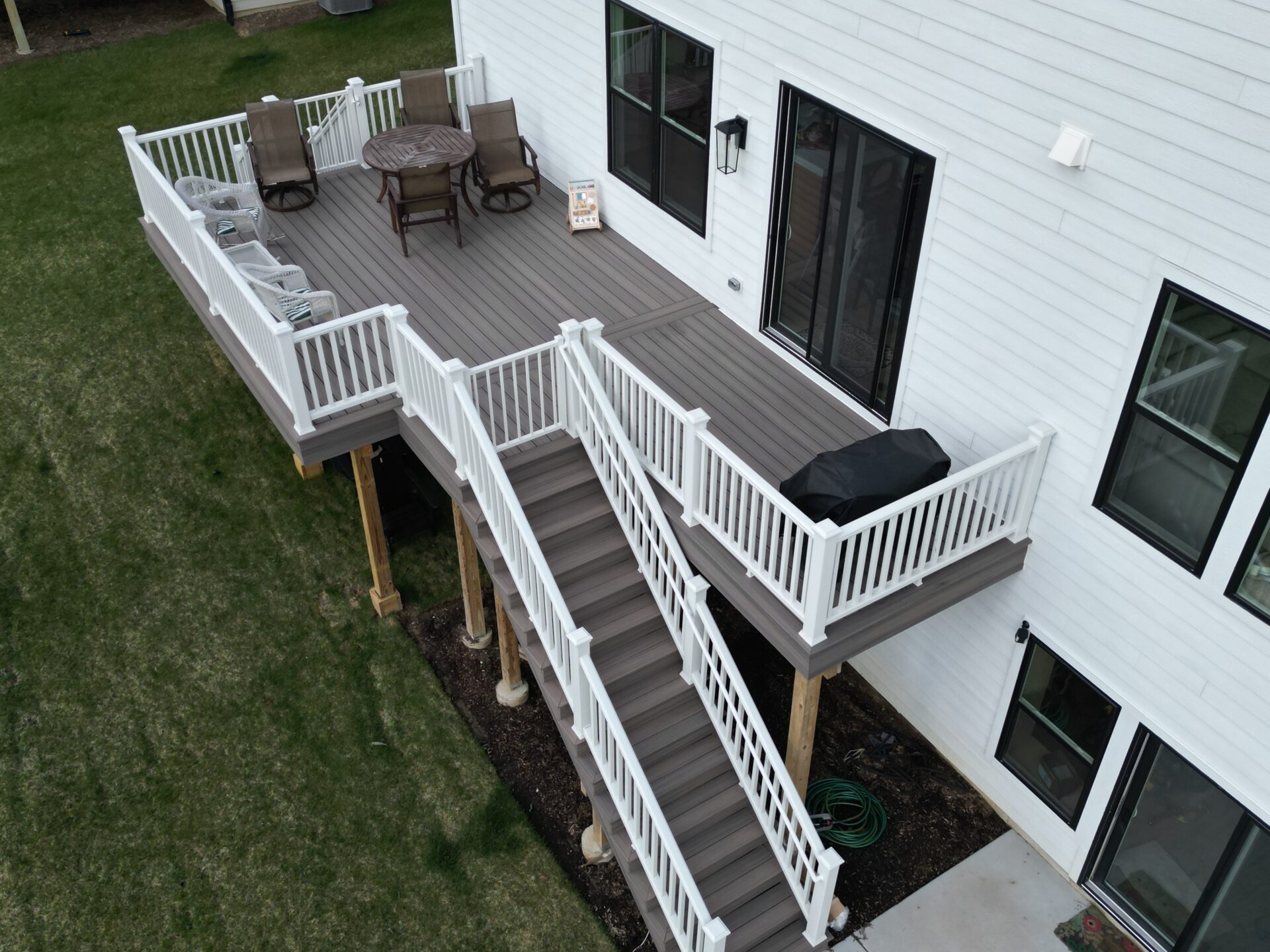
If you host large gatherings or want a full kitchen and fire pit, you need 400+ square feet. These layouts often use several layers to separate different functional areas.
The “Furniture-First” Rule: Sizing Your Deck for Real Life
The biggest mistake is picking a size before picking your furniture. Follow these clearance rules to make sure your deck layout actually works.
Dining Areas: Why the “Table + 3 Feet” Rule Matters
A standard 6-person dining table requires a 9×12’ footprint. You need at least 3 feet of “push-back” space behind every chair so guests can move freely.
Grilling Stations: Safety and Clearance Requirements
Never tuck a grill into a high-traffic corner. Budget at least 24-36 square feet specifically for the grill and the “chef’s” standing room to ensure safety and heat clearance.
Lounge Zones: Planning for Fire Pits and Sectionals
Outdoor sectionals are deep. Ensure your lounge zone is at least 12 feet deep so there is still a clear path to the stairs or the house door once everyone is seated.
How Deck Size Impacts Your Total Project Budget
One of the main things that affects your deck price is the size. Smart sizing can save you thousands in material costs.
The Material Waste Factor: Why 12, 16, and 20 Feet are Magic Numbers
Composite boards typically come in 12’, 16’, and 20’ lengths. Designing a 13-foot deck means buying 16-foot boards and tossing 3 feet of pricey scrap every time. Sticking to standard board lengths reduces waste and keeps your price per square foot down.
Cost vs. Value: Finding the ROI Sweet Spot
While a larger deck costs more, the “price per foot” often drops as the deck gets larger. This is because fixed costs like permits and mobilization stay the same regardless of the size.
Technical Considerations: Scale, Zoning, and Flow
Property Proportions: Matching the Deck to Your Home’s Scale
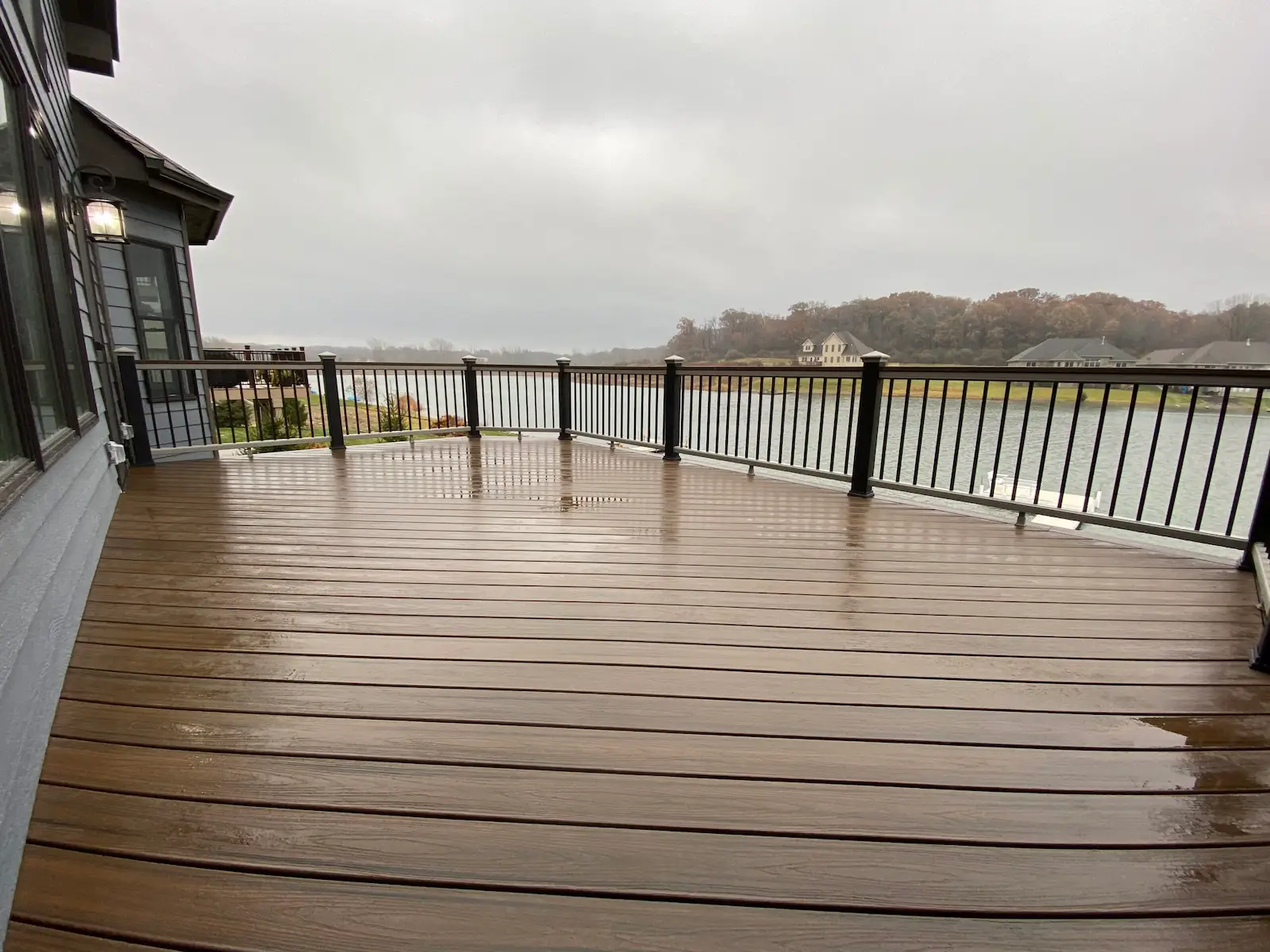
A deck should never be larger than the room it’s attached to internally. If your kitchen is 15 feet wide, a 30-foot wide deck can look out of place. Always aim for architectural harmony.
Zoning, Setbacks, and HOA Restrictions: What’s Legal?
Chicagoland building codes and HOA rules tend to be pretty strict. You must verify your “Build-To” line and property setbacks before you finalize how to choose the right deck size. Many HOAs also limit the percentage of your lot you can cover.
Creating “Zones” with Multiple Levels
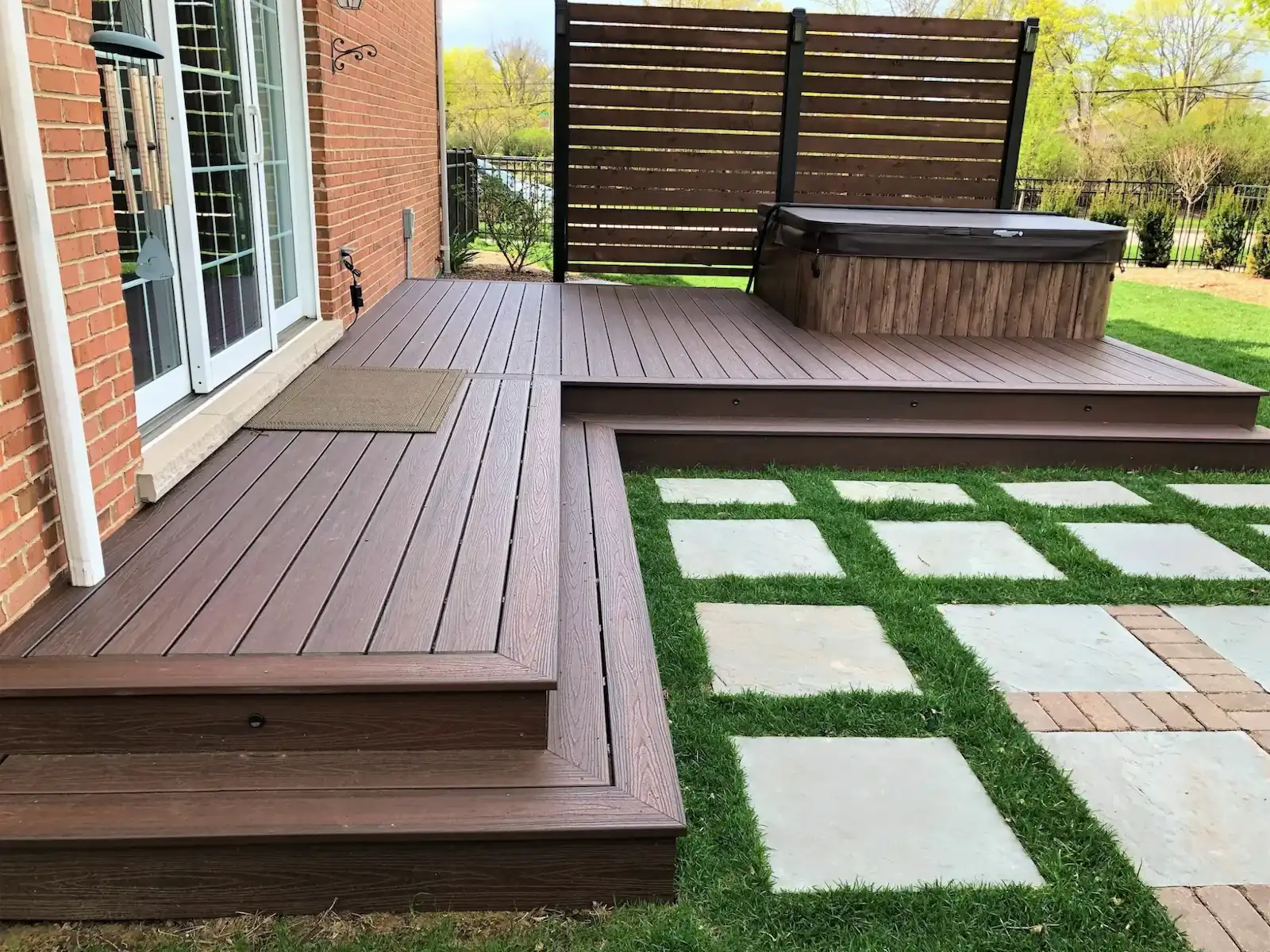
Use a multi-level design if your yard slopes or your HOA limits your footprint. This creates visual interest and separates the “cooking” zone from the “quiet” zone without needing one massive platform.
Common Deck Sizing Mistakes to Avoid
- Building for Today, Not Tomorrow: Don’t size your deck only for two people if you expect kids or larger gatherings in the future.
- Ignoring Sun and Shade: A massive deck is a waste if it’s too hot to touch. For south-facing yards, use ‘heat-mitigating’ boards that stay 30% cooler, or add a pergola to keep the space usable.
- Poor Door Placement: Plan your door swing and primary traffic paths before placing your furniture. You want a clear 3-foot “lane” from the door to the stairs that doesn’t force guests to shimmy past a dining table.
Can You Increase Your Deck Size During a Resurface?
Many homeowners ask us to expand their deck’s footprint during a resurfacing project. Once confirmed that your framing is solid, you can often resurface and grow the footprint at the same time.
Frequently Asked Questions About Deck Sizing
Is a 12×12 deck big enough for a family of four?
It works for a small table and grill, but you will feel cramped if you add any extra lounge seating.
What is the most popular deck size for resale value?
Today’s buyers commonly view a 16 x 20’ deck as the sweet spot because it provides ample room for versatile, multi-purpose use.
How does my material choice affect size?
Since composite needs way less upkeep than wood, homeowners often go bigger. You get more square footage without adding hours of staining or sealing to your to-do list.
How do local property lines affect how big I can build?
Most suburbs have “setback” rules that require your deck to be a certain distance from your neighbor’s fence or the sidewalk. Even if you have a huge yard, zoning laws might limit your deck size to a specific percentage of your total lot. We always check these codes first so you don’t build something the city will force you to tear down.
Should I build one flat deck or a multi-level design?
If you’d like to distinguish your grill zone from the lounge area, different levels work beautifully.. However, keep in mind that every time you add a level, you add “transition space” (stairs and landings). This can actually make a deck feel smaller because you lose floor space to steps. If you’re tight on room, a single large level is usually the most functional.
Ready to Plan Your Dream Outdoor Space?
Don’t let luck decide your backyard’s outcome. Whether you’re looking for a full custom build or a high-end resurface, we can help you choose the right deck for your home and budget.